Introduction
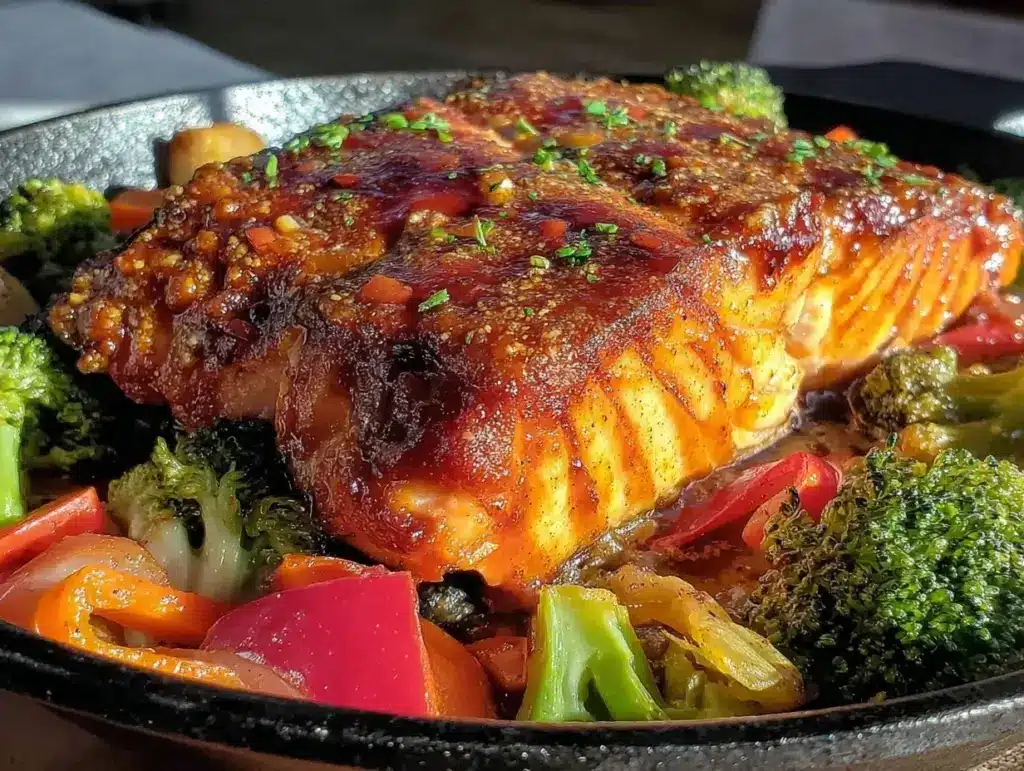
There was this one evening when I walked in the door utterly wiped out from a day that felt like it stretched on forever. The clock was already nudging dinner time, and honestly, the idea of juggling pots and pans made me want to collapse on the couch instead. I rummaged through the fridge and found some salmon fillets and a few veggies that had seen better days. I thought, “Well, why not throw everything on one pan and hope for the best?” That night, the kitchen smelled like a cozy little Asian bistro, and the teriyaki glaze caramelized beautifully without much fuss.
Since then, this easy one-pan teriyaki salmon and vegetables recipe has been my go-to for those hectic weeknights when you want something impressive but can’t deal with a complicated mess. The salmon turns out perfectly flaky, the veggies are tender with a slight char, and the sauce ties it all together with just the right balance of sweet and savory. It’s funny how something born out of exhaustion ended up feeling like a small victory, a quiet moment of satisfaction after chaos.
What really stuck with me was how simple it was to get a meal on the table that felt thoughtful without stealing my evening. If you’re anything like me, juggling work, life, and a million other things, this recipe might just become your secret weapon for weeknight dinners that don’t sacrifice flavor or sanity.
Why You’ll Love This Recipe
- Quick & Easy: Comes together in under 30 minutes, perfect when your day runs late or you just want to keep things simple.
- Simple Ingredients: No need for fancy or hard-to-find items; most are pantry staples or easy to pick up at your local store.
- Perfect for Weeknight Dinners: Whether you’re cooking for one or feeding the family, it’s a fuss-free way to get a healthy, satisfying meal on the table.
- Crowd-Pleaser: The blend of teriyaki sweetness with perfectly cooked salmon and veggies always earns compliments and second helpings.
- Unbelievably Delicious: The one-pan method locks in flavor, and the slight caramelization on the salmon and veggies adds a depth you might not expect from such a simple approach.
- This recipe stands out with its hands-off cooking style—no multiple pots or pans, and no standing over the stove constantly stirring. The teriyaki sauce is homemade with a touch of fresh ginger and garlic, making it taste way better than store-bought sauces.
- It’s the kind of meal that feels comforting yet fresh, and honestly, it’s saved me more than once when I thought I’d have to order takeout (again).
What Ingredients You Will Need
This recipe uses simple, wholesome ingredients to deliver bold flavor and satisfying texture without the fuss. Most of these are pantry staples, and the fresh vegetables add great color and nutrition. Feel free to swap vegetables depending on the season or what’s in your fridge.
- For the Salmon and Vegetables:
- 4 salmon fillets (6 oz / 170g each), skin on for crispiness
- 1 red bell pepper, sliced
- 1 medium zucchini, sliced into half-moons
- 1 cup broccoli florets (fresh or frozen works)
- 1 small red onion, cut into wedges
- 2 tablespoons olive oil or avocado oil (for roasting)
- For the Teriyaki Sauce:
- 1/4 cup soy sauce (I prefer low sodium to keep it balanced)
- 2 tablespoons honey or maple syrup (adds natural sweetness)
- 1 tablespoon rice vinegar (brightens the flavor)
- 2 teaspoons fresh ginger, grated (adds warmth and zing)
- 2 garlic cloves, minced (for that savory punch)
- 1 teaspoon sesame oil (optional but adds great aroma)
- 1 teaspoon cornstarch mixed with 2 teaspoons cold water (to thicken sauce)
- Garnishes (Optional):
- Sesame seeds
- Thinly sliced green onions
- Fresh cilantro or parsley
Tip: If you want a gluten-free option, use tamari instead of soy sauce. Also, swapping honey with agave syrup works well for vegans.
Equipment Needed
- Large rimmed baking sheet or roasting pan – It’s key for cooking everything evenly in one go.
- Mixing bowl – For whisking together the teriyaki sauce ingredients.
- Measuring cups and spoons – To keep the sauce balanced.
- Silicone spatula or wooden spoon – Handy for spreading sauce and mixing veggies.
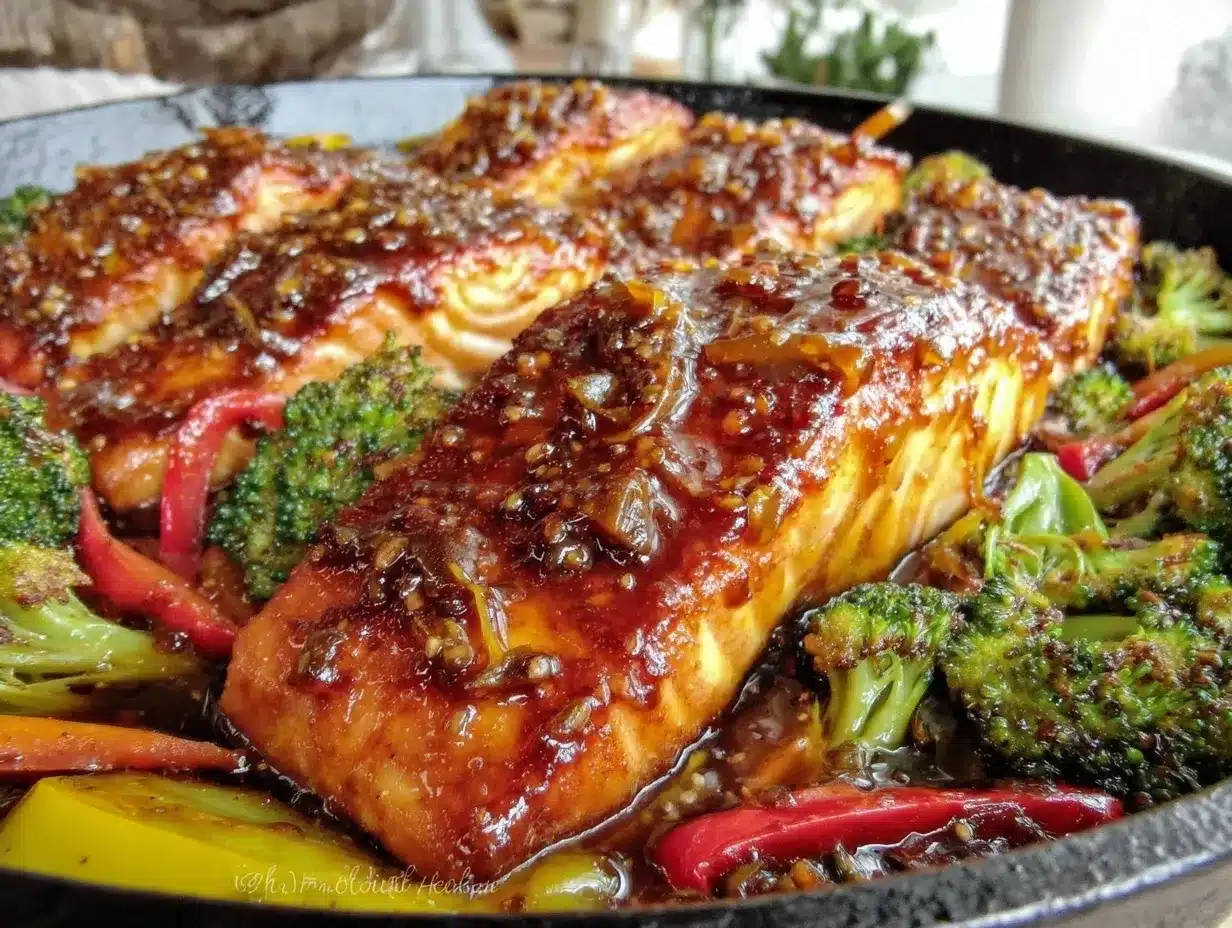
- Optional: Grill pan or cast-iron skillet if you want a bit more char on the salmon.
Personally, I prefer a heavy-duty rimmed baking sheet because it holds heat well and makes cleanup easier. If you don’t have one, a large oven-safe skillet works, but you might need to adjust cooking times slightly. Also, I keep a silicone baking mat on hand for easy cleanup, but parchment paper is a fine substitute.
Preparation Method
- Preheat your oven to 400°F (200°C). This temperature is perfect for roasting salmon and vegetables without drying them out.
- Prepare the teriyaki sauce: In a small mixing bowl, whisk together 1/4 cup soy sauce, 2 tablespoons honey, 1 tablespoon rice vinegar, grated ginger, minced garlic, and sesame oil. Then stir in the cornstarch slurry (1 teaspoon cornstarch mixed with 2 teaspoons cold water). Set aside.
- Prep the vegetables: On your baking sheet, toss the red bell pepper slices, zucchini, broccoli florets, and red onion wedges with 2 tablespoons olive oil. Season lightly with salt and pepper. Spread them out in an even layer to roast properly.
- Roast the vegetables: Place the baking sheet in the oven and roast for about 10 minutes. This jumpstarts the cooking without overcooking the salmon later.
- Add the salmon: Remove the pan from the oven. Push the veggies to the sides to create space in the center and place the salmon fillets skin-side down in the middle. Brush some of the teriyaki sauce over the salmon and drizzle a bit on the veggies.
- Return to oven: Roast everything together for another 12-15 minutes, or until the salmon flakes easily with a fork and the veggies are tender with a slight caramelized edge. Keep an eye in the last few minutes to avoid overcooking—salmon can dry out quickly.
- Glaze and finish: Remove the pan again and brush the salmon with any remaining teriyaki sauce. If you prefer a thicker glaze, you can warm the sauce gently on the stove to thicken before brushing.
- Serve: Garnish with sesame seeds, sliced green onions, or fresh herbs if desired. Serve right away for the best texture and flavor.
Pro tip: If your veggies start browning too fast but aren’t tender yet, loosely tent the pan with foil to slow the browning while they finish cooking. And don’t skip the skin on the salmon—it crisps up beautifully and adds flavor.
Cooking Tips & Techniques
- Use room temperature salmon: Let your salmon sit out for 15 minutes before cooking. This helps it cook evenly and prevents that cold center.
- Don’t overcrowd the pan: Give veggies and salmon enough space to roast properly. Crowding traps steam and results in soggy vegetables.
- Watch the sauce thickness: The cornstarch slurry is key for a nice glossy teriyaki glaze. Stir it well to avoid lumps and add gradually if you want thicker sauce.
- Flip the salmon skin-side down only: Resist the urge to flip. Cooking salmon skin-side down keeps it moist and crispy.
- Multitask with timing: While the veggies roast the first 10 minutes, you can mix your sauce and prep garnishes to save time.
- Learned the hard way: I once left the salmon in too long and ended up with dry flakes. Setting a timer and checking early makes a huge difference.
- Rest briefly: Let salmon rest 2-3 minutes after removing from oven. It allows juices to redistribute for a tender bite.
Variations & Adaptations
- Swap the vegetables: Try asparagus, snap peas, or baby carrots for seasonal twists. In winter, roasted sweet potatoes add heartiness.
- Different protein: Use chicken thighs or tofu marinated in the teriyaki sauce if you want a change or a vegetarian option.
- Spice it up: Add a pinch of red pepper flakes or a drizzle of sriracha to the sauce for a gentle kick.
- Gluten-free: Use tamari or coconut aminos instead of soy sauce.
- Healthier swap: Cut back on honey or use a sugar-free syrup alternative if watching sugar intake.
- Personally, I’ve tried swapping zucchini for thinly sliced eggplant—it soaks up the sauce beautifully and adds a silky texture.
Serving & Storage Suggestions
This dish is best served hot right from the oven with a side of steamed jasmine rice or quinoa to soak up the teriyaki glaze. A crisp green salad or simple miso soup makes a lovely accompaniment. If you’re feeling fancy, sprinkle a few toasted sesame seeds on top for texture and visual appeal.
Leftovers keep well in an airtight container in the fridge for up to 3 days. When reheating, use a low oven (around 300°F / 150°C) or a toaster oven to avoid drying out the salmon. Microwave reheating is fine but can sometimes toughen the fish if overheated.
Flavors actually deepen after resting overnight as the teriyaki sauce soaks in, so it’s great for packed lunches the next day. Just add a fresh squeeze of lime or a handful of fresh herbs before serving to brighten things up.
Nutritional Information & Benefits
Each serving of this easy one-pan teriyaki salmon and vegetables recipe provides a balanced mix of protein, healthy fats, and fiber-rich veggies. Salmon is a fantastic source of omega-3 fatty acids, which are great for heart and brain health. The vegetables add vitamins A and C, plus antioxidants.
This recipe is naturally gluten-free if you choose tamari, and low-carb if served without rice. The homemade teriyaki sauce uses natural sweeteners, cutting down on processed sugars.
For those mindful of allergens, be aware of soy in the sauce and possible cross-contamination if using shared kitchen tools. Substituting with coconut aminos can help in that case.
Conclusion
This easy one-pan teriyaki salmon and vegetables recipe is a lifesaver when you want a meal that feels special but doesn’t take hours. It’s simple, flavorful, and flexible enough to match whatever’s in your fridge or your mood. I love how it balances sweet and savory in a way that’s just downright satisfying without being heavy.
Give it a try and make it your own—swap veggies, tweak the sauce, or add a personal garnish. Cooking doesn’t have to be complicated to be delicious, and this recipe is proof of that. If you have a favorite twist or a question, I’d love to hear about it!
Happy cooking, and here’s to more easy, tasty dinners that feel like a little win after a long day.
FAQs
Can I use frozen vegetables for this recipe?
Yes, frozen broccoli or mixed veggies can work fine. Just thaw and drain any excess water before roasting to avoid sogginess.
How do I know when the salmon is cooked perfectly?
The salmon should flake easily with a fork but still look moist inside. Cooking time varies slightly with thickness, but 12-15 minutes at 400°F (200°C) is a good guideline.
Can I make the teriyaki sauce ahead of time?
Absolutely! The sauce keeps well in the fridge for up to a week. Just reheat gently before brushing on the salmon.
What can I serve with this one-pan teriyaki salmon and vegetables?
Steamed rice, quinoa, or noodles are great bases. A fresh green salad or simple soup pairs nicely too.
Is this recipe suitable for meal prep?
Yes, it’s great for meal prep. Store in airtight containers and reheat gently to maintain texture and flavor.
Pin This Recipe!
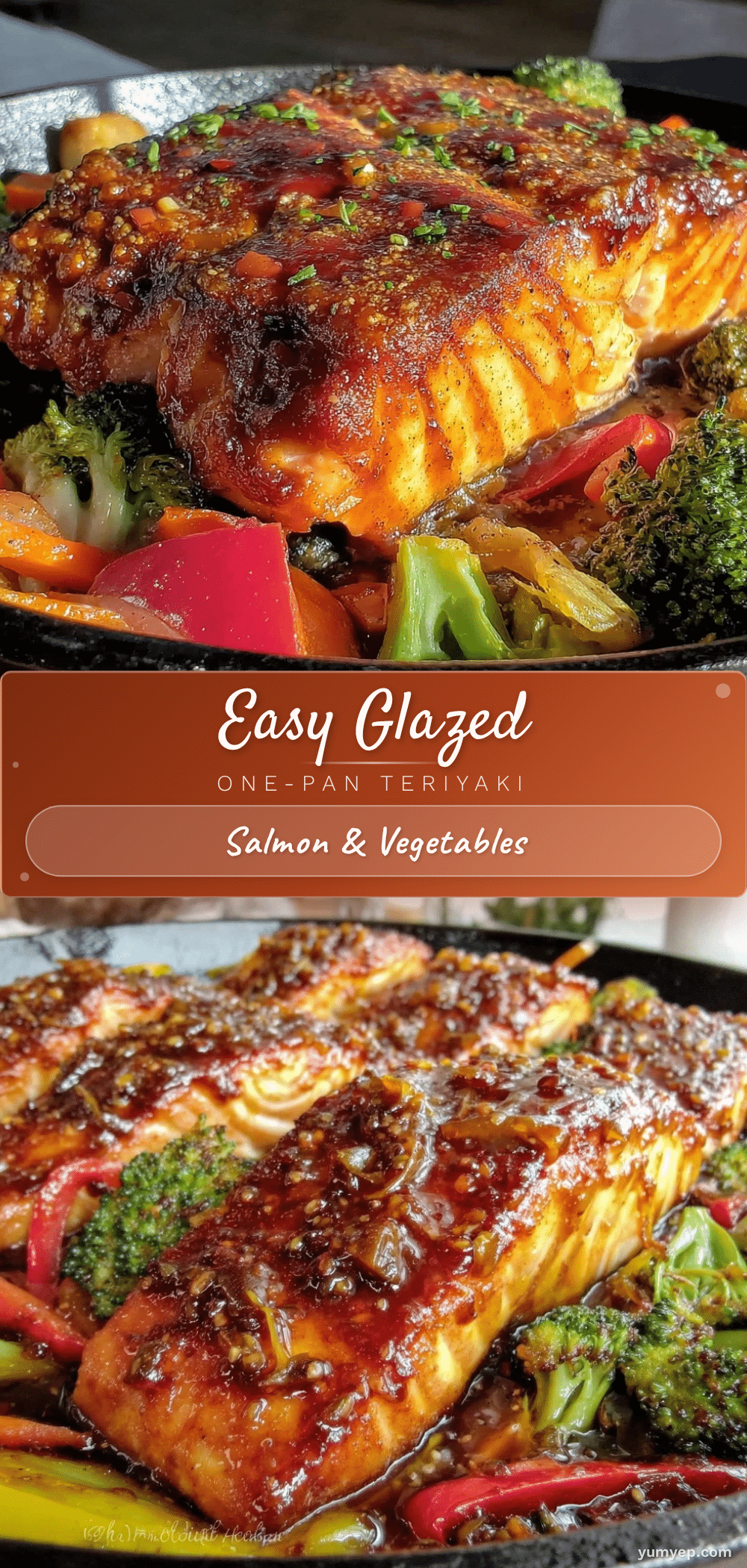
Easy One-Pan Teriyaki Salmon and Vegetables Recipe for Perfect Weeknight Dinners

A quick and easy one-pan recipe featuring flaky salmon and tender roasted vegetables glazed with a homemade teriyaki sauce. Perfect for busy weeknights, this dish balances sweet and savory flavors with minimal cleanup.
- Prep Time: 10 minutes
- Cook Time: 25 minutes
- Total Time: 35 minutes
- Yield: 4 servings 1x
- Category: Main Course
- Cuisine: Asian
Ingredients
- 4 salmon fillets (6 oz / 170g each), skin on for crispiness
- 1 red bell pepper, sliced
- 1 medium zucchini, sliced into half-moons
- 1 cup broccoli florets (fresh or frozen)
- 1 small red onion, cut into wedges
- 2 tablespoons olive oil or avocado oil (for roasting)
- 1/4 cup soy sauce (low sodium preferred)
- 2 tablespoons honey or maple syrup
- 1 tablespoon rice vinegar
- 2 teaspoons fresh ginger, grated
- 2 garlic cloves, minced
- 1 teaspoon sesame oil (optional)
- 1 teaspoon cornstarch mixed with 2 teaspoons cold water (to thicken sauce)
- Optional garnishes: sesame seeds, thinly sliced green onions, fresh cilantro or parsley
Instructions
- Preheat your oven to 400°F (200°C).
- In a small mixing bowl, whisk together 1/4 cup soy sauce, 2 tablespoons honey, 1 tablespoon rice vinegar, grated ginger, minced garlic, and sesame oil. Stir in the cornstarch slurry (1 teaspoon cornstarch mixed with 2 teaspoons cold water). Set aside.
- On a large rimmed baking sheet, toss the red bell pepper slices, zucchini, broccoli florets, and red onion wedges with 2 tablespoons olive oil. Season lightly with salt and pepper. Spread them out in an even layer.
- Roast the vegetables in the oven for about 10 minutes.
- Remove the pan from the oven. Push the veggies to the sides to create space in the center and place the salmon fillets skin-side down in the middle. Brush some of the teriyaki sauce over the salmon and drizzle a bit on the veggies.
- Return the pan to the oven and roast everything together for another 12-15 minutes, or until the salmon flakes easily with a fork and the veggies are tender with a slight caramelized edge.
- Remove the pan again and brush the salmon with any remaining teriyaki sauce. For a thicker glaze, warm the sauce gently on the stove before brushing.
- Garnish with sesame seeds, sliced green onions, or fresh herbs if desired. Serve immediately.
Notes
Use room temperature salmon for even cooking. Don’t overcrowd the pan to avoid soggy vegetables. The cornstarch slurry is key for a glossy teriyaki glaze. Keep salmon skin-side down only for crispy skin. Tent with foil if veggies brown too fast. Leftovers keep well refrigerated for up to 3 days. Reheat gently to avoid drying out the salmon.
Nutrition
- Serving Size: 1 salmon fillet with
- Calories: 350
- Sugar: 10
- Sodium: 600
- Fat: 18
- Saturated Fat: 3
- Carbohydrates: 15
- Fiber: 3
- Protein: 30
Keywords: teriyaki salmon, one-pan dinner, easy weeknight meal, roasted vegetables, healthy salmon recipe, quick dinner, homemade teriyaki sauce