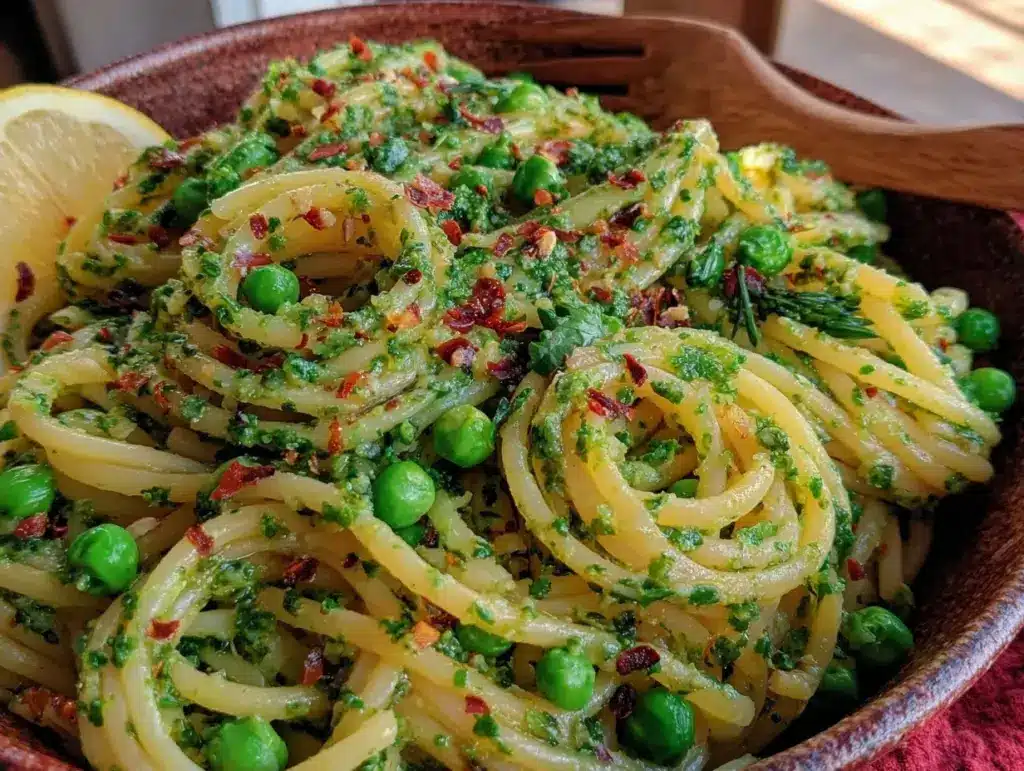
“You’re not seriously going to make pesto without cheese, are you?” That was my friend Jenna’s skeptical text after I insisted on whipping up this easy creamy vegan pesto pasta with spring peas for our casual dinner. Honestly, I get it—pesto just screams Parmesan and pine nuts, right? But that night, I was craving something fresh, indulgent, and completely plant-based, and this recipe turned out to be a total surprise. It wasn’t just about skipping dairy; the creamy texture came from a clever blend of cashews and nutritional yeast, creating a sauce so rich and dreamy that even Jenna was texting back with thumbs-up emojis halfway through her plate.
Spring peas added a pop of sweetness and that vibrant green you’d expect on a fresh day outside, making the dish feel light but still satisfyingly cozy. I first stumbled on the idea when I had a pile of frozen peas and a half-used bag of cashews sitting in my pantry—no fancy ingredients, no fuss. It was one of those “throw-it-together” moments that ended up tasting like something from a bistro menu. Since then, I’ve made it more times than I can count—sometimes as a quick lunch, other times as a last-minute dinner when friends drop by unexpectedly.
There’s something about this vegan pesto pasta that feels like a little reset, especially in the chaos of a busy day. It’s creamy without being heavy, fresh but comforting. And, honestly, it’s the kind of recipe where you quietly realize it’s become your go-to, the one you trust to impress without stress. So, here’s my take on this easy creamy vegan pesto pasta with spring peas, a simple but satisfying dish that’s stuck with me for good reasons.
Why You’ll Love This Recipe
After testing this recipe multiple times (and yes, tweaking it every time I made it), I’ve come to appreciate why it’s such a standout. This isn’t just another vegan pesto pasta—there’s a balance here that makes it both approachable and indulgent.
- Quick & Easy: Ready in just about 25 minutes, it’s perfect for busy weeknights or when you need dinner on the table, fast.
- Simple Ingredients: No hard-to-find items here—cashews, fresh basil, spring peas, and pantry staples that you probably already have.
- Perfect for Seasonal Meals: Spring peas give it that fresh, lively note that’s ideal for celebrating spring’s bounty.
- Crowd-Pleaser: I’ve served this to vegans, carnivores, and skeptical friends alike—and it always gets rave reviews.
- Unbelievably Delicious: The creamy sauce mimics dairy pesto without the heaviness, giving you that luscious mouthfeel and bright herbal flavors.
What sets this recipe apart is the creamy cashew base blended with nutritional yeast, which gives it that cheesy umami kick without any dairy. Plus, the spring peas aren’t just a garnish—they add sweetness and texture that lift the whole dish. I’ve found that blending the cashews to a super smooth consistency is key, and letting the sauce rest a bit before tossing it with the pasta really lets the flavors marry beautifully. If you’re used to traditional pesto, this version might just surprise you with how rich and satisfying it feels, all while being plant-based and wholesome.
Whether you’re cooking for a casual dinner or want to impress guests without stress (and if you like the cozy vibe of dishes like the creamy lemon chicken piccata, this pasta fits right in), this easy creamy vegan pesto pasta with spring peas is a recipe to have in your rotation.
What Ingredients You Will Need
This recipe uses simple, wholesome ingredients to deliver bold flavor and satisfying texture without the fuss. Most are pantry staples or easy to find fresh, and you can swap out a few depending on what you have on hand.
- For the Pasta and Peas:
- 8 ounces (225 grams) pasta of choice (spaghetti, linguine, or penne work great)
- 1 cup (150 grams) fresh or frozen spring peas (thawed if frozen)
- Salt, for pasta water
- For the Vegan Pesto Sauce:
- 1 cup (140 grams) fresh basil leaves, packed (look for bright green, fragrant leaves)
- ½ cup (70 grams) raw cashews, soaked in hot water for 15 minutes (for a super creamy sauce)
- 3 cloves garlic, peeled
- 2 tablespoons nutritional yeast (adds cheesy umami flavor)
- 2 tablespoons lemon juice, freshly squeezed (brightens the pesto)
- ⅓ cup (80 ml) olive oil, plus extra for drizzling
- ½ teaspoon salt, or to taste
- ¼ teaspoon black pepper
- Optional: pinch of red pepper flakes for a little kick
- Optional Garnishes:
- Toasted pine nuts or walnuts (for crunch)
- Fresh basil leaves
- Lemon zest
When picking cashews, I usually grab a trusted brand like Now Foods or Trader Joe’s for consistent quality and creaminess. If you’re short on time, raw cashews can be soaked in very hot water for 10-15 minutes instead of overnight—it’s a trick I learned the hard way when I forgot to prep ahead.
If fresh basil is out of season, you can use baby spinach or a mix of basil and parsley, but it won’t be quite the same vibrant green or punchy flavor. Frozen peas work well here too, just thaw and drain any excess water. For a gluten-free option, swap the pasta for brown rice or chickpea pasta—it still tastes amazing and holds the sauce well.
Equipment Needed
- Large pot for boiling pasta
- Fine-mesh strainer or colander
- High-speed blender or food processor (for the pesto sauce)
- Measuring cups and spoons
- Mixing bowl (optional, for tossing pasta)
- Wooden spoon or tongs for mixing
A good blender or food processor is key here. I’ve tried making this pesto with a regular blender, and while it works, it takes a bit longer to get that creamy smoothness because you need to scrape down the sides more often. If you don’t have a food processor, a sturdy blender with a tamper will do just fine. For budget-friendly options, brands like Ninja or Magic Bullet offer solid performance without breaking the bank.
Also, keeping a fine-mesh strainer handy helps when rinsing peas or draining pasta quickly. I usually toss the pasta and sauce together right in the pot to save dishes, but a large bowl works if you want to be extra neat.
Preparation Method
- Soak the Cashews: Place ½ cup raw cashews in a bowl and cover with hot water. Let them soak for 15 minutes to soften. This step is crucial for a creamy pesto sauce. If you forget, don’t panic—soaking in hot water still works wonders.
- Cook Pasta: Bring a large pot of salted water to a boil. Add 8 ounces (225 grams) of your chosen pasta and cook according to package instructions until al dente (usually 8-10 minutes). During the last 2 minutes of cooking, toss in 1 cup (150 grams) of fresh or frozen spring peas to blanch them—this way they stay tender-crisp and vibrant.
- Reserve Pasta Water: Before draining, scoop out about ½ cup (120 ml) of pasta cooking water and set aside. This starchy water will help loosen the pesto sauce later if needed.
- Drain Pasta and Peas: Drain the pasta and peas in a colander and return them to the pot (off the heat) or a large mixing bowl.
- Make the Pesto Sauce: Drain the soaked cashews and add them to your blender or food processor along with 1 cup (140 grams) fresh basil leaves, 3 garlic cloves, 2 tablespoons nutritional yeast, 2 tablespoons fresh lemon juice, ⅓ cup (80 ml) olive oil, ½ teaspoon salt, and ¼ teaspoon black pepper. Blend until ultra-smooth and creamy, scraping down the sides as needed. If the sauce is too thick, add reserved pasta water a tablespoon at a time until you reach your desired consistency.
- Toss Pasta with Pesto: Pour the creamy vegan pesto over the warm pasta and peas. Use tongs or a wooden spoon to toss everything until well coated. The warmth from the pasta gently heats the sauce, releasing those fresh basil aromas.
- Adjust Seasoning: Taste the pasta and add more salt, lemon juice, or red pepper flakes as you like. Sometimes a little extra lemon zest on top makes a nice finishing touch.
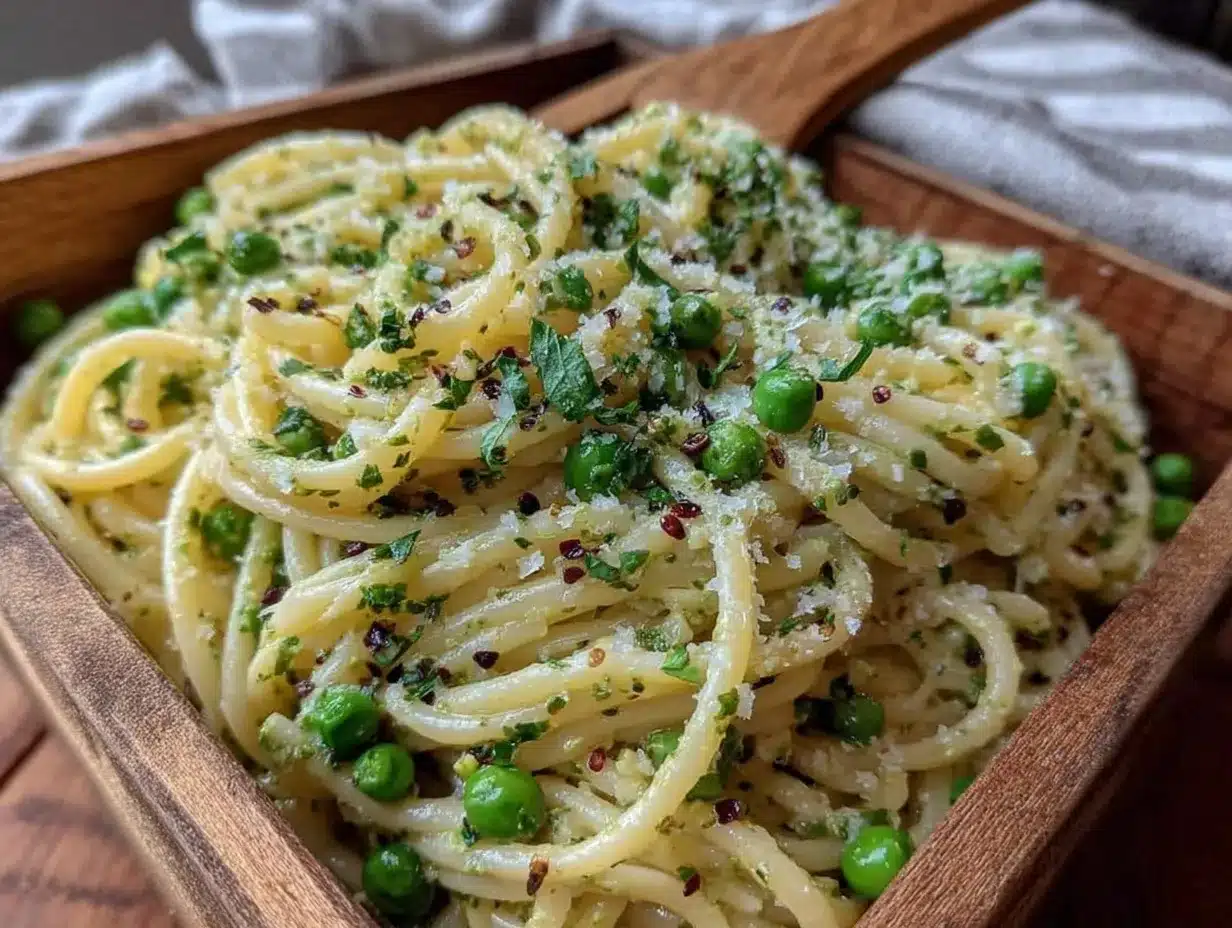
- Serve Immediately: Plate the pasta and garnish with toasted pine nuts or walnuts and fresh basil leaves if desired. A drizzle of olive oil adds a lovely glossy finish.
One tip I’ve learned is to blend the sauce extra smooth—it makes the texture feel richer, more luxurious, and less “nutty.” Also, tossing the pasta off the heat keeps the peas bright and prevents the sauce from breaking or getting oily. If the pesto is too thick, don’t hesitate to add a splash of pasta water; it’s the secret weapon for silky sauce that clings perfectly to every strand.
Cooking Tips & Techniques
Making a creamy vegan pesto that’s both luscious and flavorful takes a little know-how, but once you get the hang of it, it’s a breeze. Here’s what I’ve picked up after a few trial-and-error sessions:
- Soaking Cashews Properly: Don’t skip soaking the cashews in hot water, or the sauce might end up grainy. If you forget, soak them for at least 15 minutes; overnight soaking is ideal for the creamiest results.
- Blending to Smoothness: Use a high-speed blender or food processor and blend long enough to get a silky texture. Scrape the sides often to avoid lumps.
- Fresh Basil is Key: Use fresh, vibrant basil leaves rather than dried or wilted ones. It makes a huge difference in flavor and color.
- Timing the Peas: Add peas in the last 2 minutes of pasta cooking to keep them tender but still crisp and bright green.
- Use Pasta Water Wisely: Adding reserved pasta water helps loosen the pesto sauce and helps it stick to the noodles evenly.
- Don’t Overheat the Sauce: Toss pasta and pesto off the heat to prevent breaking or oil separation.
- Adjust Seasoning Last: Always taste and adjust salt, lemon, and pepper at the end to balance flavors perfectly.
I once overheated the sauce by tossing the pasta on the burner, and the pesto split—lesson learned! Also, a pinch of red pepper flakes can add a subtle warmth that contrasts nicely with the fresh basil and sweet peas. Multitasking by prepping the sauce while pasta cooks saves time, making this dish a real winner for busy nights.
Variations & Adaptations
This easy creamy vegan pesto pasta with spring peas is pretty flexible, so you can switch it up depending on your mood, dietary needs, or what’s in your fridge.
- Nut-Free Version: Swap soaked cashews for sunflower seeds or soaked pumpkin seeds for a nut-free pesto that’s just as creamy.
- Seasonal Veggies: Instead of spring peas, try asparagus tips, snap peas, or blanched green beans for a fresh crunch.
- Different Herbs: Mix basil with fresh parsley or mint to give the pesto a unique flavor twist.
- Spicy Kick: Add a small jalapeño or a few red pepper flakes into the pesto for a little heat.
- Alternative Pastas: Use gluten-free pasta, zucchini noodles, or whole wheat pasta to suit your dietary preferences.
- Protein Boost: Stir in cooked chickpeas, vegan sausage slices, or toasted tofu cubes for added protein.
One personal favorite adaptation is adding a handful of fresh arugula into the pesto for a peppery edge. It’s also great to toss in some roasted cherry tomatoes on top just before serving for a sweet pop. If you want to turn this into a one-pan meal, try tossing in sautéed mushrooms or spinach—just like the cozy vibe in the creamy parmesan creamed spinach recipe I love.
Serving & Storage Suggestions
This vegan pesto pasta tastes best served warm, right after tossing with the sauce. The creamy texture and fresh basil aroma shine brightest when it’s fresh. For a simple presentation, plate it in shallow bowls and garnish with extra basil leaves and toasted nuts for crunch.
It pairs beautifully with a crisp green salad or some crusty bread for soaking up any leftover sauce. If you want to keep things cozy, a chilled glass of white wine or sparkling water with lemon complements the dish nicely.
To store leftovers, transfer the pasta to an airtight container and refrigerate for up to 3 days. The sauce may thicken in the fridge; just stir in a splash of water or plant-based milk when reheating in a skillet or microwave to loosen it up.
Freezing pesto pasta isn’t ideal because the peas lose their bright texture, but you can freeze the pesto sauce separately in an ice cube tray for quick future meals. Thaw and toss with freshly cooked pasta for a speedy dinner.
Leftovers often taste even better the next day as the flavors meld together, making it a great make-ahead option for busy schedules.
Nutritional Information & Benefits
This easy creamy vegan pesto pasta with spring peas is a nourishing meal packed with plant-based goodness. Per serving (makes about 4 servings), you’re looking at roughly:
| Calories | 420-480 kcal |
|---|---|
| Protein | 12-15 grams |
| Fat | 20-25 grams (mostly healthy fats from olive oil and cashews) |
| Carbohydrates | 50-55 grams |
| Fiber | 6-8 grams |
The cashews provide heart-healthy monounsaturated fats and minerals like magnesium, while the peas add fiber, vitamin C, and a subtle sweetness. Basil is rich in antioxidants and adds fresh vitamins without calories. This recipe is naturally gluten-free if you choose gluten-free pasta, and free from common allergens if you swap nuts for seeds.
From a wellness perspective, it’s a great way to enjoy a creamy, flavorful meal without dairy or heavy creams, making it lighter on digestion but still satisfying. Plus, the balance of healthy fats, protein, and complex carbs keeps you full and energized.
Conclusion
This easy creamy vegan pesto pasta with spring peas is one of those recipes that quietly wins you over with its fresh flavors, simple ingredients, and creamy texture. It’s perfect whether you’re looking for a quick dinner, a way to use up pantry staples, or a comforting plant-based meal that doesn’t feel like a compromise.
Feel free to customize it—add your favorite veggies, swap nuts, or spice it up. It’s friendly, forgiving, and full of personality, just like a good recipe should be. Personally, it’s become a comforting go-to that I’m happy to share with friends and family, especially on days when I want something wholesome but fuss-free.
If you try this recipe, I’d love to hear how you make it your own, or if it reminds you of any other dishes you cherish. Cooking is all about personal touch, after all, and this pesto pasta is a great canvas for your creativity.
Happy cooking and savor every creamy, fresh bite!
FAQs About Easy Creamy Vegan Pesto Pasta with Spring Peas
Can I make the pesto sauce ahead of time?
Yes! You can prepare the pesto sauce up to two days in advance and store it in an airtight container in the fridge. Just give it a good stir before tossing with pasta. For longer storage, freeze the pesto in small portions.
What’s the best pasta to use for this recipe?
Any type works, but I recommend linguine, spaghetti, or penne. Gluten-free or whole wheat pasta are great alternatives, depending on your preference.
Can I substitute the cashews with something else?
Absolutely. For a nut-free version, try soaked sunflower seeds or pumpkin seeds. They give a slightly different flavor but keep the sauce creamy.
How do I keep the pesto sauce from turning brown?
Fresh basil oxidizes quickly, but the lemon juice in the recipe helps slow browning. For storing, cover the surface of the pesto with a thin layer of olive oil and keep it airtight in the fridge.
Is this recipe kid-friendly?
Yes! The creamy texture and mild flavor usually appeal to kids. You can omit the garlic or red pepper flakes to make it even gentler on young palates.
Pin This Recipe!
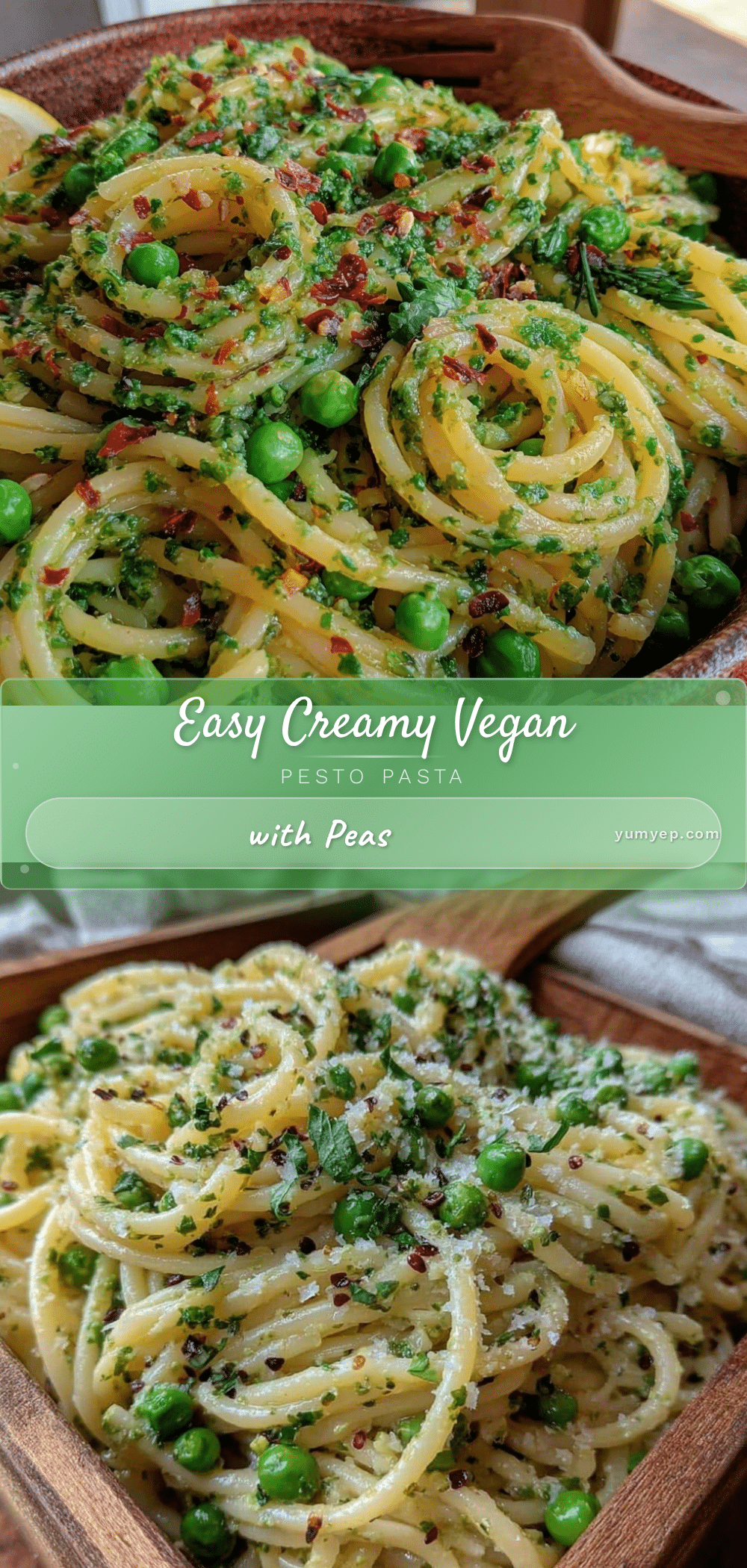
Easy Creamy Vegan Pesto Pasta with Spring Peas

A quick and easy vegan pesto pasta featuring a creamy cashew-based sauce and fresh spring peas, perfect for a light yet indulgent plant-based meal.
- Prep Time: 15 minutes
- Cook Time: 10 minutes
- Total Time: 25 minutes
- Yield: 4 servings 1x
- Category: Main Course
- Cuisine: Italian
Ingredients
- 8 ounces (225 grams) pasta of choice (spaghetti, linguine, or penne)
- 1 cup (150 grams) fresh or frozen spring peas (thawed if frozen)
- Salt, for pasta water
- 1 cup (140 grams) fresh basil leaves, packed
- ½ cup (70 grams) raw cashews, soaked in hot water for 15 minutes
- 3 cloves garlic, peeled
- 2 tablespoons nutritional yeast
- 2 tablespoons lemon juice, freshly squeezed
- ⅓ cup (80 ml) olive oil, plus extra for drizzling
- ½ teaspoon salt, or to taste
- ¼ teaspoon black pepper
- Optional: pinch of red pepper flakes
- Optional garnishes: toasted pine nuts or walnuts, fresh basil leaves, lemon zest
Instructions
- Soak the cashews in hot water for 15 minutes to soften.
- Bring a large pot of salted water to a boil. Add pasta and cook according to package instructions until al dente (8-10 minutes). Add spring peas during the last 2 minutes to blanch.
- Reserve ½ cup (120 ml) of pasta cooking water before draining.
- Drain pasta and peas and return to the pot off the heat or to a large mixing bowl.
- Drain soaked cashews and add to blender with basil, garlic, nutritional yeast, lemon juice, olive oil, salt, and black pepper. Blend until ultra-smooth, adding reserved pasta water a tablespoon at a time if needed to reach desired consistency.
- Pour pesto sauce over pasta and peas and toss until well coated.
- Adjust seasoning with additional salt, lemon juice, or red pepper flakes as desired.
- Serve immediately, garnished with toasted nuts, fresh basil, lemon zest, and a drizzle of olive oil.
Notes
Soak cashews in hot water for at least 15 minutes for a creamy sauce; blend pesto until very smooth for best texture. Add reserved pasta water to loosen sauce if too thick. Toss pasta and pesto off heat to prevent sauce from breaking. Fresh basil is key for vibrant flavor and color. Optional red pepper flakes add a subtle kick.
Nutrition
- Serving Size: 1 serving (about 1/4
- Calories: 450
- Sugar: 4
- Sodium: 400
- Fat: 22
- Saturated Fat: 3
- Carbohydrates: 53
- Fiber: 7
- Protein: 14
Keywords: vegan pesto pasta, creamy vegan pasta, spring peas pasta, plant-based pesto, dairy-free pesto, easy vegan dinner