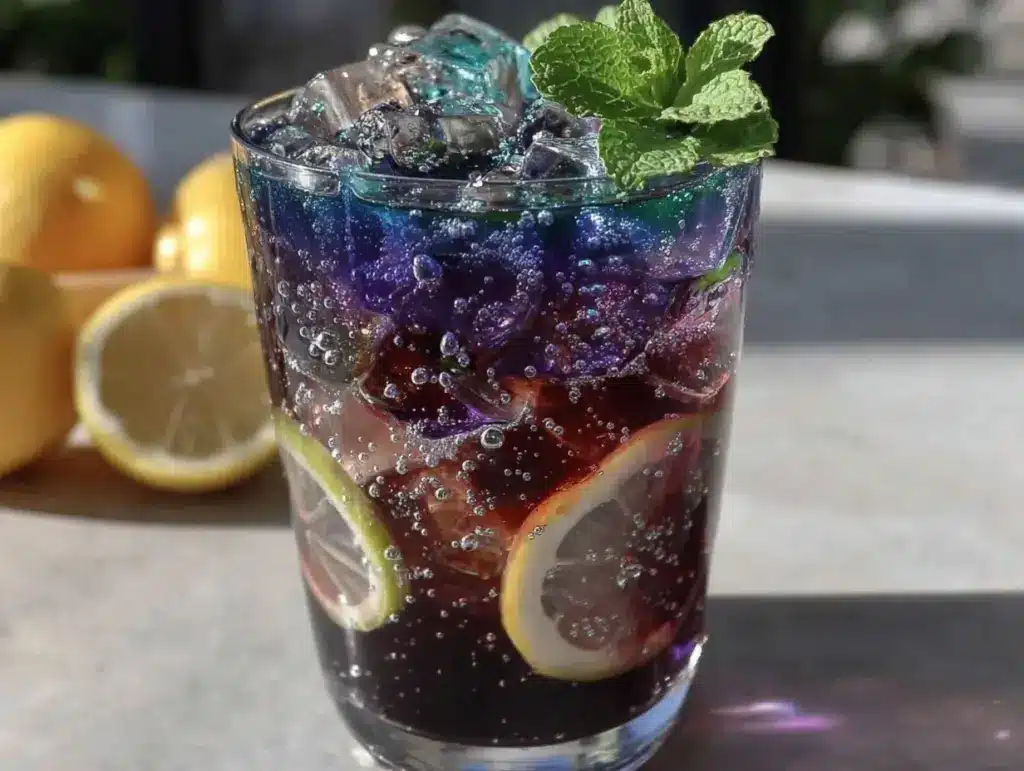
“Wait, it changed color again!” That’s the exact thing I found myself muttering one slow Sunday afternoon while fiddling with this magical fresh butterfly pea flower lemonade that changes color. Honestly, it wasn’t planned—I was just trying to whip up a refreshing drink to beat the mid-afternoon slump. The kitchen smelled faintly of citrus, with that unmistakable earthy scent from the butterfly pea flowers steeping on the stove. I was half-doubting if this whole color-changing thing was real or just some Instagram myth. But as I squeezed in the lemon juice, that deep blue liquid instantly morphed into a glowing purple-pink shade right before my eyes.
It felt like a tiny science experiment, but one you could sip—and that’s what made it so captivating. I’d never been much of a mixologist (and definitely not a botanist), but this simple lemonade recipe had me hooked. It reminded me of those cozy moments when something so unexpected can suddenly brighten up a dull day. Plus, this drink is totally fuss-free, using ingredients you can find at any well-stocked pantry or local market.
What really stuck with me was how this lemonade became my go-to for casual get-togethers or a little solo treat after a long day. It’s the kind of recipe that feels like a secret handshake among friends—easy to make, fun to watch, and surprisingly tasty. No fancy gadgets, no complicated steps, just a bit of natural magic that makes you pause and smile. If you’re curious about that color shift and want a fresh, zingy twist for your next drink, this might just be your new favorite.
Why You’ll Love This Recipe
This magical fresh butterfly pea flower lemonade recipe isn’t just eye-catching—it’s genuinely delicious and straightforward. Over the many times I’ve made this, it’s become clear why it’s such a crowd-pleaser:
- Quick & Easy: Ready in under 15 minutes, perfect for busy afternoons or unexpected guests.
- Simple Ingredients: Uses pantry staples like fresh lemons, honey, and dried butterfly pea flowers—no exotic shopping needed.
- Perfect for Any Occasion: Whether it’s a backyard barbecue, a brunch with friends, or a relaxing solo moment, this lemonade fits right in.
- Crowd-Pleaser: Kids and adults alike get mesmerized by the color change—and then instantly refreshed by the tangy sweetness.
- Unbelievably Delicious: The floral notes from the butterfly pea flower combined with bright lemon create a perfectly balanced, refreshing flavor.
What sets this recipe apart is the natural color-changing magic that’s also a little educational. The butterfly pea flower acts as a pH indicator, which means when you add lemon juice, it shifts the color from blue to purple or pink depending on how much acidity you use. I’ve tried other versions, but this one nails the perfect balance between flavor and that wow factor. Plus, it’s a healthier alternative to sugary sodas or artificially colored drinks.
Honestly, this lemonade isn’t just a drink—it’s a little moment of wonder in a glass. It’s the kind of recipe that makes you pause, appreciate the simple ingredients, and maybe even share a smile with whoever you’re serving it to. If you want a refreshing twist on classic lemonade that feels a bit magical, this is it.
What Ingredients You Will Need
This recipe uses simple, wholesome ingredients to deliver bold flavor and satisfying texture without the fuss. Most of the items should already be in your kitchen, and the butterfly pea flowers are easy to find online or in specialty stores.
- Dried butterfly pea flowers (about 1/4 cup) – These are the star of the show, giving the lemonade its vibrant blue color and subtle earthy flavor.
- Fresh lemons (4-5 medium) – For fresh lemon juice, which adds brightness and triggers the color change.
- Honey or agave syrup (1/4 cup) – Adds natural sweetness; adjust to taste. I personally like using raw honey because it adds a hint of floral depth.
- Water (4 cups) – Filtered or spring water works best for clarity and taste.
- Ice cubes – To serve chilled and refreshing.
- Fresh mint leaves (optional) – For garnish and a fresh herbal note.
Tips on ingredients:
- Butterfly pea flowers: Look for organic dried flowers with a rich blue color. These flowers are also great for teas or natural food coloring.
- Lemons: Choose ripe, juicy lemons for maximum flavor and acidity.
- Sweetener substitutes: You can swap honey with maple syrup or simple sugar syrup if preferred.
- Water temperature: Using hot water helps extract the vibrant color and flavor from the flowers quickly.
Equipment Needed
- Heatproof pitcher or large glass jar: For steeping the butterfly pea flowers and mixing the lemonade.
- Fine mesh strainer or cheesecloth: To strain out the dried flowers after steeping.
- Citrus juicer or reamer: Makes extracting fresh lemon juice easier and less messy.
- Measuring cups and spoons: For precise ingredient amounts.
- Wooden spoon or stirring whisk: To mix the honey or sweetener smoothly.
- Glasses and ice trays: For serving chilled lemonade.
If you don’t have a citrus juicer, no worries—a fork works just fine to squeeze lemons by hand. And while a fine mesh strainer is ideal for clarity, improvising with a clean kitchen towel or coffee filter can do the trick in a pinch. I’ve also found that a clear glass pitcher helps show off the color changes as you pour, which adds to the fun.
Preparation Method
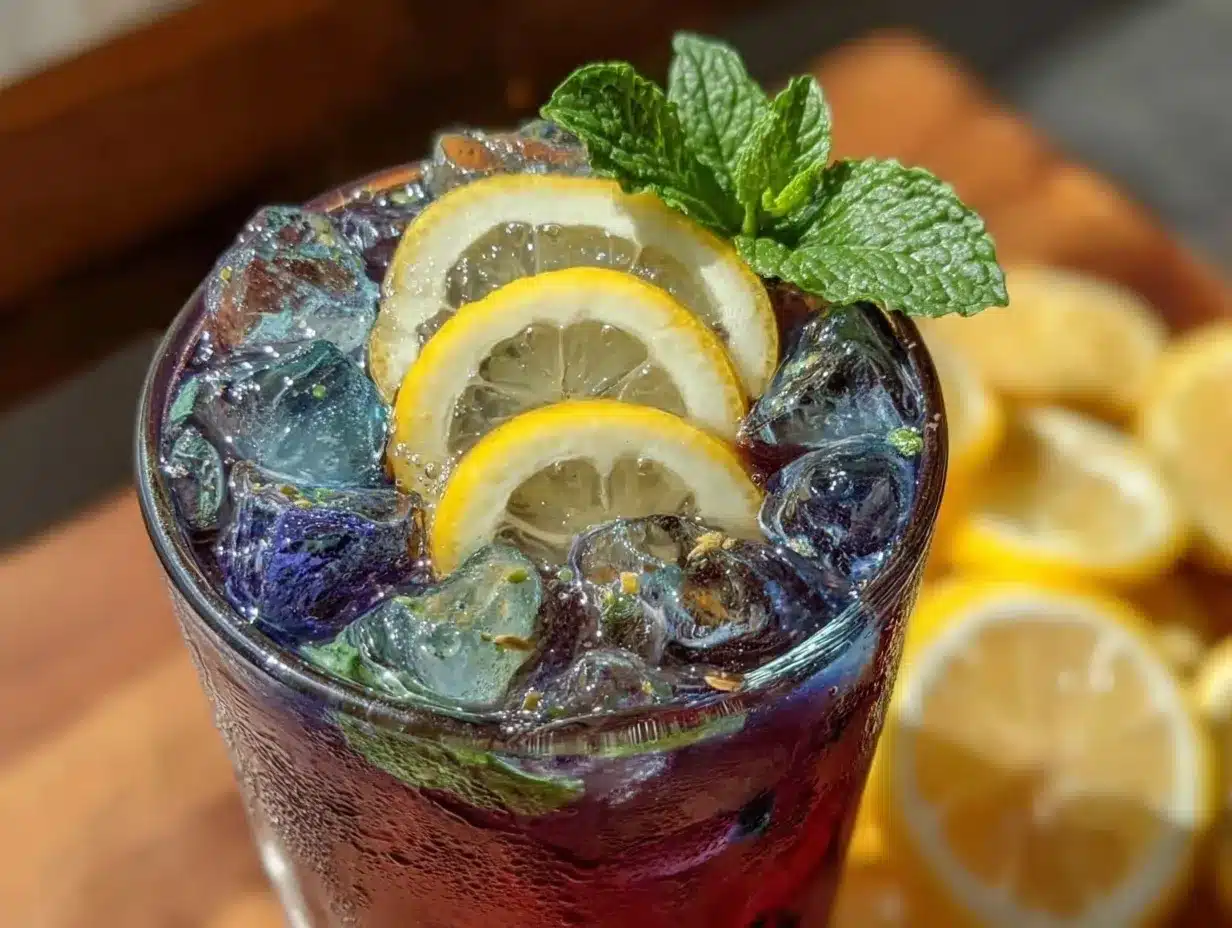
- Steep the butterfly pea flowers: Bring 4 cups (960 ml) of water to a boil. Pour the hot water into your heatproof pitcher and add about 1/4 cup of dried butterfly pea flowers. Let them steep for 8-10 minutes until the water turns a deep, vibrant blue color. You’ll notice the aroma is mild but earthy.
- Strain the flowers: Using a fine mesh strainer or cheesecloth, strain out the flowers and discard them. Be sure to press gently to extract as much liquid and color as possible. The result should be a clear, bright blue liquid.
- Add sweetener: Stir in 1/4 cup (60 ml) of honey or your chosen sweetener while the liquid is still warm, so it dissolves completely. Taste and adjust sweetness as needed.
- Juice the lemons: Squeeze the juice from 4-5 medium lemons (about 1/2 cup or 120 ml). Set aside. When you add this to the blue tea, watch the color transform instantly. The acidity changes the pH, shifting the color from blue to purple, and then to a pinkish hue if you add more lemon.
- Combine and chill: Add the fresh lemon juice to the sweetened butterfly pea flower tea and stir gently. Fill the pitcher with ice cubes or refrigerate for at least 30 minutes to serve chilled.
- Serve with a garnish: Pour the lemonade into glasses over ice, add a sprig of fresh mint for brightness, and enjoy the shifting colors as the acidity interacts with the flower tea.
Preparation notes:
- Don’t rush the steeping—this step extracts both color and subtle flavor.
- If the lemonade tastes too tart, a bit more honey or a splash of simple syrup smooths it out nicely.
- Try pouring the lemon juice slowly into the glass or pitcher for a mesmerizing gradient effect.
Cooking Tips & Techniques
Getting the color change just right can feel a little like a magic trick, but it’s mostly about a few key details. First, use fresh lemon juice—not bottled. The fresh acidity is what drives the beautiful color shift. I learned the hard way that bottled lemon juice can sometimes dull the effect or impart a bitter aftertaste.
Steeping the butterfly pea flowers in hot, but not boiling water (around 200°F / 93°C) helps keep the flavor bright and the color intense. Overheating can dull both. Also, don’t steep for too long; 8-10 minutes is the sweet spot. Too long, and the flavor can become overly earthy or vegetal.
When mixing, stir gently to avoid breaking up the flowers too much, which can cloud the liquid. And if you want to impress guests, serve the lemonade in clear glasses so the color changes are fully visible—that little theatrical touch goes a long way.
Lastly, don’t be shy about adjusting the sweetness. Some days I like mine a bit tart and others sweeter, so keep honey or syrup handy for balancing. If you want a sparkling twist, adding soda water right before serving adds fizz without losing the color magic.
Variations & Adaptations
There’s plenty of room to play around with this magical fresh butterfly pea flower lemonade recipe:
- Herbal twist: Add a few fresh basil or rosemary leaves while steeping for an aromatic note that pairs beautifully with the floral tea.
- Fruity variations: Swap some of the lemon juice with lime or even grapefruit for a different citrus profile. In summer, adding fresh berries like blueberries or raspberries can create stunning color blends and extra sweetness.
- Diet-friendly options: Use agave syrup or stevia instead of honey for a vegan or lower-calorie version. You can also swap sugar with monk fruit sweetener if you’re watching carbs.
- Cold brew version: For a milder flavor, steep the butterfly pea flowers in cold water overnight in the fridge, then add lemon and sweetener in the morning for a chilled, subtle drink.
One personal experiment that stuck was adding a splash of coconut water for a tropical flair—nice for summer afternoons when you want something refreshing but not too sweet. And if you’re feeling adventurous, this lemonade pairs surprisingly well alongside warm treats like snowball cookies or a lightly spiced cranberry orange bread, balancing the sweetness and adding a cooling counterpoint.
Serving & Storage Suggestions
This lemonade is best served chilled, ideally poured over fresh ice cubes that don’t dilute the vibrant color too quickly. Adding a fresh mint sprig or a thin lemon wheel on the rim of the glass amps up the presentation and adds a refreshing aroma as you sip.
It’s fantastic as a standalone refresher but also pairs well with light snacks or brunch dishes—think cucumber sandwiches or delicate pastries. I’ve often brought this along to summer picnics, where it’s a hit alongside savory bites or even a simple charcuterie platter.
For storage, keep the lemonade in a sealed pitcher or bottle in the refrigerator for up to 2 days. The color remains stable but may gradually soften in intensity. Stir gently before serving as the lemon juice and natural sediments might settle. Avoid freezing, as the texture and color can be affected.
When reheating (if you want a warm twist), do so gently without boiling—the color will shift differently and the floral notes become more pronounced but the magic effect diminishes.
Nutritional Information & Benefits
Per serving (approx. 1 cup / 240 ml):
| Calories | 60-80 |
|---|---|
| Carbohydrates | 16-20g |
| Sugars | 14-18g (natural from honey and lemon) |
| Fat | 0g |
| Protein | 0g |
Butterfly pea flowers are rich in antioxidants, particularly anthocyanins, which contribute to the vivid color and may offer anti-inflammatory benefits. Lemons provide vitamin C, supporting immune health and skin vitality. This lemonade is naturally caffeine-free and gluten-free, making it a great choice for a wide range of dietary needs.
Personally, I appreciate this recipe as a wholesome alternative to sugary sodas or artificially flavored drinks. It feels light yet satisfying, with a natural sweetness that doesn’t overpower. If you’re mindful about your sugar intake, adjusting the honey or using low-calorie sweeteners works well without sacrificing flavor or fun.
Conclusion
This magical fresh butterfly pea flower lemonade recipe has become a little ritual in my kitchen—a colorful, refreshing pick-me-up that’s as fun to make as it is to drink. It’s proof that simple ingredients and a bit of nature’s chemistry can turn an everyday drink into something special. Whether you’re serving it at a party or enjoying a quiet moment alone, the shifting colors and bright flavors never fail to bring a smile.
Feel free to tweak the sweetness, try new citrus combos, or add your favorite herbs to make it truly yours. It’s a recipe that welcomes creativity, and honestly, it’s hard to go wrong. When I need a little magic in a glass, this is my go-to. I’d love to hear how you make it your own or what color changes you get in your kitchen!
FAQs About Magical Fresh Butterfly Pea Flower Lemonade
How does the butterfly pea flower lemonade change color?
The butterfly pea flower contains natural pigments called anthocyanins that act as pH indicators. When you add acidic lemon juice, the color shifts from blue to purple or pink depending on the acidity level.
Can I use bottled lemon juice instead of fresh lemons?
Fresh lemon juice is best for the vibrant color change and flavor. Bottled lemon juice may work but sometimes dulls the color and can taste less fresh.
Where can I buy dried butterfly pea flowers?
They’re often available at Asian grocery stores, specialty tea shops, or online retailers. Look for organic dried flowers with a deep blue color for the best results.
Is this lemonade suitable for kids?
Absolutely! It’s naturally caffeine-free and lightly sweetened. Just adjust the sweetness to your child’s preference.
Can I make this lemonade ahead of time?
Yes, prepare the butterfly pea flower tea and lemonade base in advance and store in the fridge for up to 2 days. Add ice and garnish just before serving for best presentation.
Pin This Recipe!
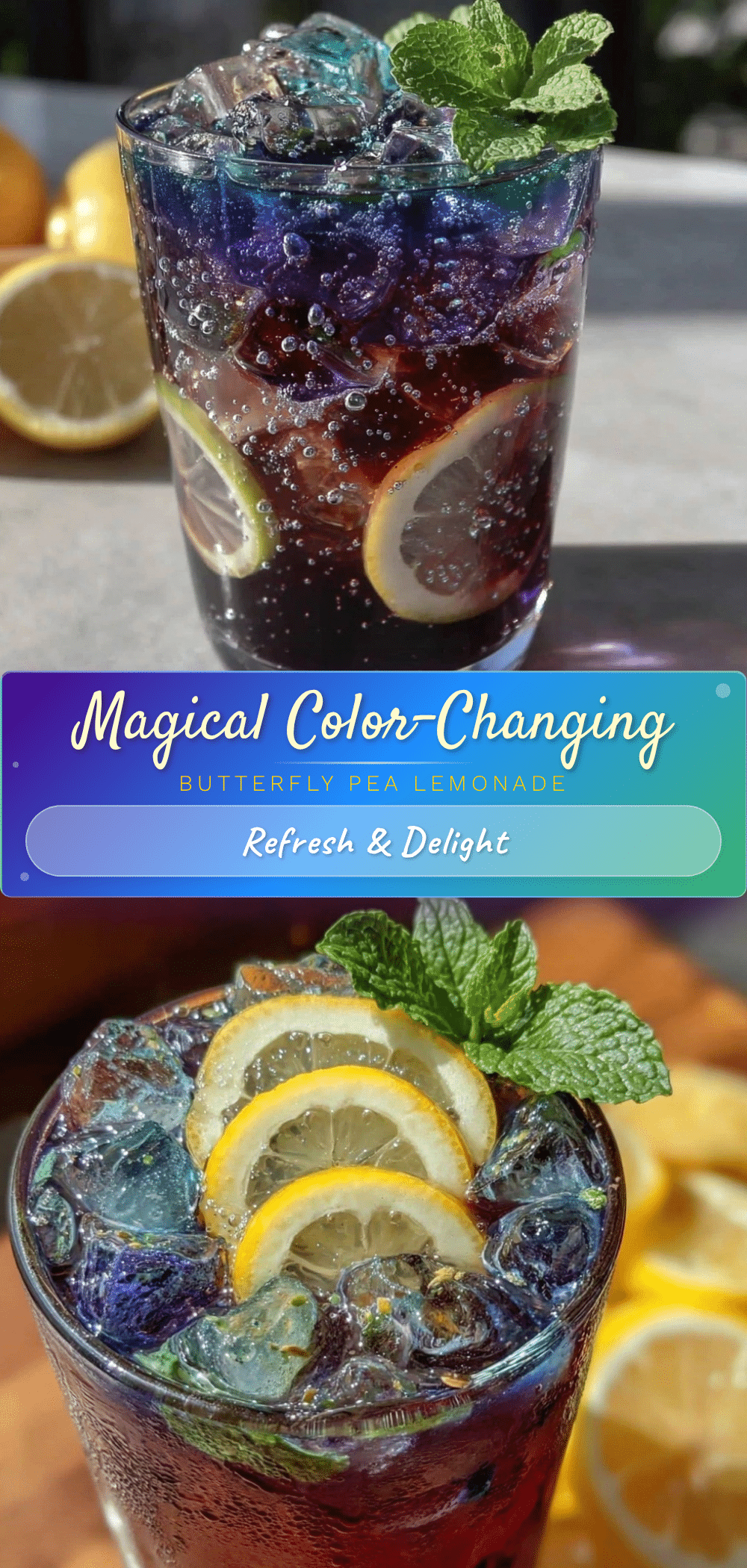
Magical Fresh Butterfly Pea Flower Lemonade Recipe That Changes Color Easily
A refreshing and visually captivating lemonade made with butterfly pea flowers that change color when lemon juice is added. This easy recipe uses simple ingredients and is perfect for any occasion.
- Prep Time: 10 minutes
- Cook Time: 10 minutes
- Total Time: 20 minutes
- Yield: 4 servings 1x
- Category: Beverage
- Cuisine: Fusion
Ingredients
- 1/4 cup dried butterfly pea flowers
- 4–5 medium fresh lemons (about 1/2 cup or 120 ml lemon juice)
- 1/4 cup honey or agave syrup (adjust to taste)
- 4 cups filtered or spring water
- Ice cubes
- Fresh mint leaves (optional, for garnish)
Instructions
- Bring 4 cups (960 ml) of water to a boil. Pour the hot water into a heatproof pitcher and add about 1/4 cup of dried butterfly pea flowers. Let steep for 8-10 minutes until the water turns a deep, vibrant blue color.
- Strain out the flowers using a fine mesh strainer or cheesecloth, pressing gently to extract as much liquid and color as possible. Discard the flowers.
- Stir in 1/4 cup (60 ml) of honey or chosen sweetener while the liquid is still warm until dissolved. Taste and adjust sweetness as needed.
- Squeeze the juice from 4-5 medium lemons (about 1/2 cup or 120 ml) and set aside.
- Add the fresh lemon juice to the sweetened butterfly pea flower tea and stir gently. The color will change from blue to purple or pink depending on acidity.
- Fill the pitcher with ice cubes or refrigerate for at least 30 minutes to serve chilled.
- Pour lemonade into glasses over ice, garnish with fresh mint leaves if desired, and enjoy the shifting colors.
Notes
[‘Use fresh lemon juice for the best color change and flavor; bottled lemon juice may dull the effect.’, ‘Steep butterfly pea flowers in hot water (around 200°F / 93°C) for 8-10 minutes to extract vibrant color without bitterness.’, ‘Adjust sweetness with honey, agave, or syrup to taste.’, ‘Serve in clear glasses to showcase the color transformation.’, ‘For a sparkling version, add soda water just before serving.’, ‘Store lemonade in a sealed container in the refrigerator for up to 2 days; stir gently before serving.’, ‘Avoid freezing to maintain texture and color.’, ‘Pour lemon juice slowly for a gradient color effect.’]
Nutrition
- Serving Size: 1 cup (240 ml)
- Calories: 6080
- Sugar: 1418
- Carbohydrates: 1620
Keywords: butterfly pea flower lemonade, color changing drink, refreshing lemonade, natural food coloring, easy lemonade recipe, floral lemonade, healthy drink