“You seriously want to cook your steak like that?” my friend asked, eyeing my slow oven method with a raised eyebrow. Honestly, I was skeptical myself the first time I tried the reverse-sear technique on a ribeye steak. I’d always been a traditional pan-and-flip kind of cook, impatient for that sizzle. But that night, after a long, tiring day, I just wanted something simple and satisfying without the usual guesswork.
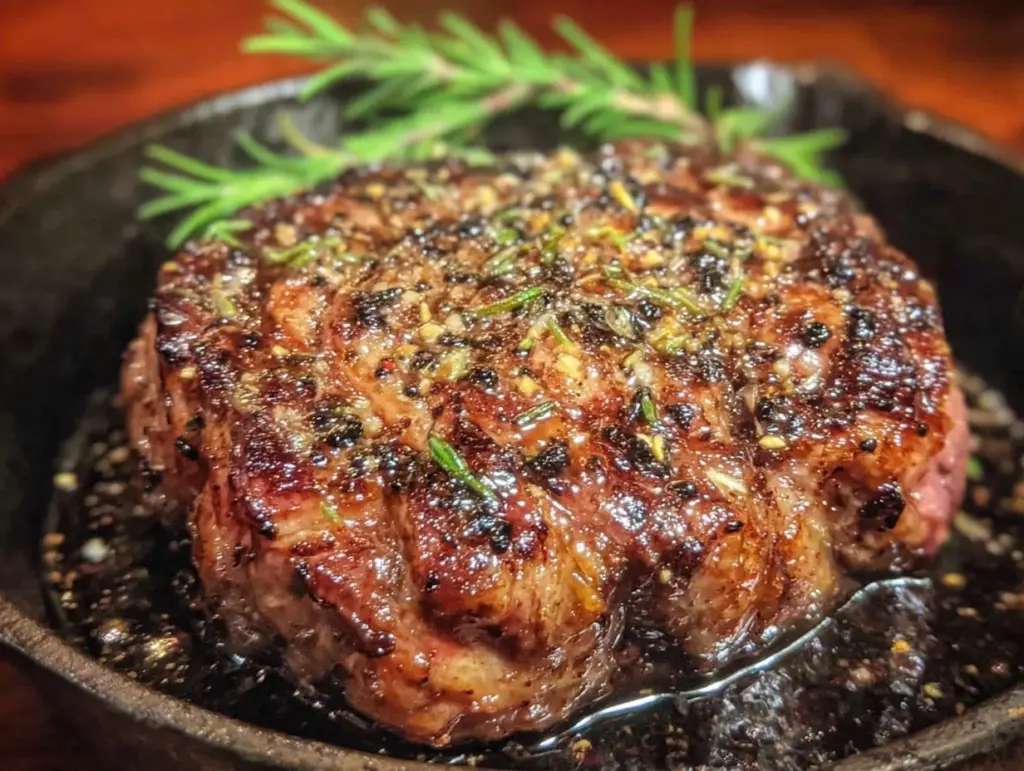
So, I popped the thick-cut ribeye into the oven at a low temperature, thinking, “Well, this can’t hurt.” The smell of the steak slowly warming, the gentle heat coaxing out its juices without rushing, was oddly comforting. When it came time for the quick sear in the hot cast-iron skillet, the crust developed so beautifully that it practically sang. The inside? Juicy, tender, and perfectly cooked from edge to edge.
Since then, I’ve made the perfect reverse-sear ribeye steak more times than I can count—sometimes twice in one week if I’m honest. It’s become my go-to for dinner when I want that steakhouse-quality feel at home without standing over a flaming grill or pan. And I’m still amazed every time how something so straightforward can produce such reliably juicy, tender results.
There’s a quiet satisfaction in knowing you’ve nailed a steak that’s both impressive and forgiving. That’s why this recipe stuck with me—it’s about patience paying off in the best way, and the simple joy of a perfectly cooked ribeye that melts in your mouth.
Why You’ll Love This Recipe
After lots of trial and error (and a few overcooked steaks), I can confidently say this reverse-sear ribeye steak recipe is a game changer. Here’s what sets it apart and why you’ll want to make it your own:
- Consistent, Juicy Results: The slow oven step gently brings the steak to the ideal temperature, so you avoid the dreaded gray band of overcooked meat.
- Simple Process: No fancy tools or complicated steps—just an oven, a cast-iron skillet, and a good quality ribeye.
- Perfect Crust Every Time: The quick sear at the end locks in flavor and creates that crave-worthy crust that’s essential to steak perfection.
- Flexible Timing: Unlike grilling, you don’t need to babysit the steak constantly. This method fits well into busy weeknights or relaxed weekend dinners.
- Impress Without Stress: Whether it’s a casual dinner or an unplanned guest, this recipe delivers steakhouse quality without the pressure.
What really makes this reverse-sear ribeye stand out is the balance between technique and accessibility. The slow warming phase means you get more control over doneness, and the searing step is all about flavor and texture. This is not just any steak—it’s the kind you close your eyes for, savoring every bite.
And you know, it’s also a nice way to impress friends without fuss—like when I paired it with the creamy parmesan creamed spinach last weekend. Trust me, the combo is a winner every time.
What Ingredients You Will Need
This recipe relies on straightforward, quality ingredients to bring out the best in the ribeye. Nothing fancy, just essentials that you probably already have on hand or can easily grab at your local store.
- Ribeye steak: Choose a thick-cut steak, ideally around 1.5 to 2 inches (3.8 to 5 cm) thick. Look for good marbling—it’s the fat that keeps the steak juicy and flavorful.
- Salt: Coarse kosher salt or sea salt works best. It seasons deeply without overwhelming.
- Freshly ground black pepper: Adds a subtle heat and complements the beef’s richness.
- Neutral oil with a high smoke point: Such as canola, grapeseed, or avocado oil for searing. Avoid olive oil here, as it burns too quickly.
- Unsalted butter: For finishing the sear and adding richness. I like using Land O’Lakes for consistency.
- Fresh garlic cloves: Crushed gently to infuse flavor during the searing stage.
- Fresh rosemary or thyme sprigs: Optional but highly recommended for aroma and subtle herbal notes.
If you want to mix things up, you can add a pinch of smoked paprika or a dash of cayenne for a little kick, but honestly, the beauty of this recipe lies in its simplicity and letting the beef shine.
Equipment Needed
- Oven-safe wire rack and baking sheet: The rack keeps the steak elevated for even cooking in the oven. If you don’t have a wire rack, you can place the steak directly on a foil-lined baking sheet, but the rack is worth investing in for consistent results.
- Cast-iron skillet: This is essential for getting that perfect sear. The skillet retains heat evenly and creates a crust that’s hard to beat. If you don’t have cast iron, a heavy stainless steel pan will do in a pinch, but the crust might not be quite the same.
- Tongs: For safely flipping and handling the steak without piercing it (which loses juices).
- Instant-read meat thermometer: This tool is a lifesaver for reverse-searing. It helps you monitor the internal temperature precisely so you don’t overcook.
- Small spoon: For basting the steak with butter and herbs during the sear.
Personally, I keep my cast-iron skillet well-seasoned and it’s become my favorite kitchen workhorse—not just for steak but also for dishes like butter chicken. It’s easy to clean if you avoid soap and dry it quickly after use.
Preparation Method
- Preheat your oven: Set it to 250°F (120°C). This low temperature allows the steak to cook evenly without drying out. It’s a slow process, but patience here is rewarded.
- Season the steak: Generously sprinkle kosher salt and freshly ground black pepper on both sides. For the best flavor, season at least 40 minutes before cooking or even overnight in the refrigerator uncovered (this dries out the surface slightly and concentrates flavor).
- Place the steak on a wire rack: Set the steak on the rack placed over a baking sheet. This setup lets air circulate around the meat, promoting even cooking.
- Cook in the oven: Insert your instant-read thermometer into the thickest part of the steak. Bake until the internal temperature reaches about 10-15°F (5-8°C) below your desired final doneness. For medium-rare, pull at 115°F (46°C). This usually takes around 30-40 minutes but depends on thickness.
- Heat your skillet: While the steak is in the oven, preheat your cast-iron skillet over high heat. Add a tablespoon of neutral oil and let it shimmer but not smoke.
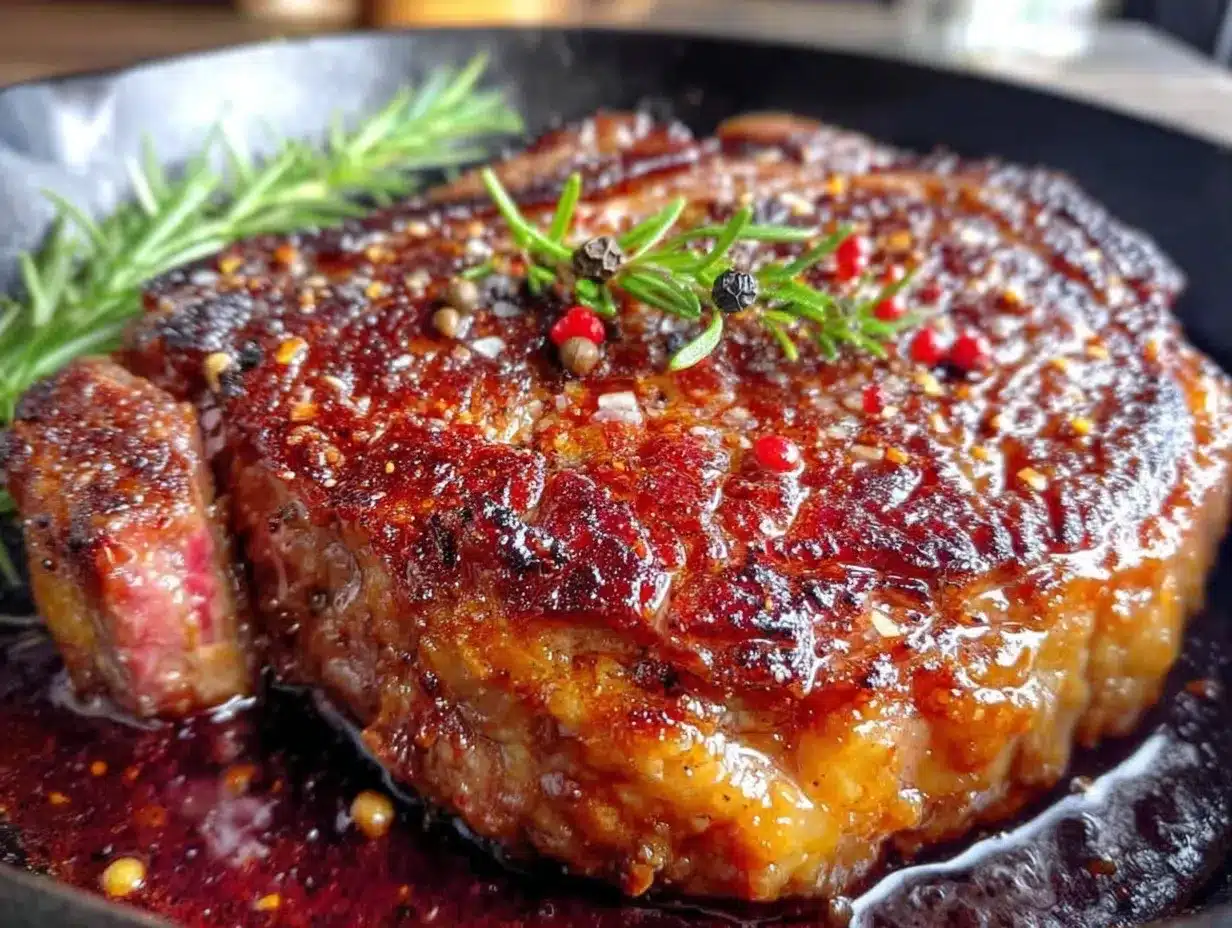
- Sear the steak: Carefully transfer the steak to the hot skillet. Sear each side for about 1-2 minutes until a deep brown crust forms. Add butter, garlic, and herbs to the pan, then tilt the skillet and spoon the melted butter over the steak repeatedly to baste it.
- Check final temperature: Use the thermometer again to ensure the steak hits your target doneness—130°F (54°C) for medium-rare. Remove immediately to avoid overcooking.
- Rest the steak: Let it rest loosely tented with foil for 5-10 minutes. This step is crucial for juices to redistribute, resulting in tender, juicy bites.
Remember, the key is low and slow first, then hot and fast for the perfect crust. If you rush the oven step, you risk uneven cooking. And don’t skip the resting period—trust me, it makes all the difference.
Cooking Tips & Techniques
Getting the perfect reverse-sear ribeye steak isn’t just about following steps; it’s about some pro tips that come from a few burnt fingers and overcooked dinners.
- Don’t skip the thermometer: Even with experience, eyeballing steak can lead to guesswork. The instant-read probe keeps you honest and helps you nail your preferred doneness every time.
- Pat the steak dry: Before seasoning, use paper towels to remove surface moisture. A dry surface sears better and develops a more appealing crust.
- Use high-smoke-point oils: Oils like avocado or grapeseed let you crank up the heat without burning, which is essential for that perfect sear.
- Don’t overcrowd the pan: If searing multiple steaks, do them one at a time to maintain skillet temperature and crust quality.
- Rest is non-negotiable: I learned this the hard way—cutting too soon releases precious juices, leaving the steak dry and less flavorful.
- Season ahead: Salting the steak at least 40 minutes before cooking lets the salt penetrate and tenderize the meat, improving flavor and texture.
These little tweaks and attentions are what separate a good steak from a memorable one. Also, multitasking is key; while the steak’s in the oven, prep your sides or set the table so you’re ready for that moment when the steak comes off the pan.
Variations & Adaptations
This reverse-sear ribeye recipe is wonderfully adaptable, letting you tweak it to match your taste or dietary needs.
- Herb Variations: Swap rosemary or thyme for sage or tarragon during the basting step for a different aromatic profile.
- Spice it Up: Add a spice rub with smoked paprika, garlic powder, and a pinch of cayenne before cooking to give the crust a smoky kick.
- Butter Alternatives: Use ghee or clarified butter if you want a higher smoke point and a nuttier flavor during searing.
- Oven Method Swap: If you prefer grilling, cook the steak indirectly on a cooler side of the grill until it reaches the target temperature, then sear directly over high heat.
- Dietary Adaptation: For a dairy-free version, skip the butter and baste with olive oil and fresh herbs instead.
One personal favorite is adding a dollop of compound butter made with garlic and parsley right after resting—the melting butter adds a lush finish that’s hard to beat.
Serving & Storage Suggestions
The perfect reverse-sear ribeye steak deserves thoughtful serving and storage to keep enjoying its juicy, tender magic.
- Serving Temperature: Serve the steak warm, just after resting, to enjoy that tender, juicy texture at its peak.
- Presentation: Slice against the grain into thick strips and arrange on a warmed plate. Garnish with fresh herbs or a sprinkle of flaky sea salt for a touch of elegance.
- Pairings: This steak pairs beautifully with classic sides like creamy mashed potatoes or a fresh green salad. For a heartier meal, consider serving alongside garlic roasted vegetables or a rich mushroom sauce.
- Storage: Wrap leftovers tightly in foil or an airtight container and refrigerate for up to 3 days. When reheating, warm gently in a low oven (about 250°F/120°C) to avoid drying it out.
- Freezing: You can freeze cooked steak for up to 2 months. Thaw overnight in the fridge and reheat carefully to maintain tenderness.
- Flavor Development: Leftover steak often tastes even better the next day, as the flavors settle and deepen. Just be mindful of reheating gently to keep it juicy.
Nutritional Information & Benefits
A 10-ounce (280 g) ribeye steak typically has around 700-800 calories, mostly from protein and fat. This cut is rich in iron, zinc, and B vitamins, which support energy and immune function.
While ribeye is known for its marbling and fat content, choosing grass-fed or well-sourced beef can provide a better fatty acid profile, including omega-3s.
This recipe is naturally gluten-free and low-carb, making it suitable for various diets like keto or paleo. Just watch added sides if you’re tracking carbs closely.
Keep in mind that portion size matters, and balancing the steak with plenty of vegetables can round out the meal nutritionally.
Conclusion
Making the perfect reverse-sear ribeye steak isn’t about complicated steps or expensive gadgets—it’s about respecting the meat and trusting a simple process that delivers juicy, tender results every time. Whether you’re treating yourself after a long day or impressing friends with a refined yet easy dinner, this method has your back.
Feel free to customize the seasoning, herbs, or serving sides to make it truly your own. I love this recipe because it transforms a familiar cut into something surprisingly tender and flavorful with minimal fuss.
Give it a try, and let me know how your steak turns out—I’m always excited to hear about your twists and tweaks. There’s nothing quite like the quiet satisfaction of slicing into a perfectly cooked ribeye and savoring every bite.
FAQs
- What is reverse searing? It’s a cooking method where you slow-cook the steak at low heat first, then finish with a high-heat sear for a crusty exterior.
- How do I know when the steak is done? Use an instant-read meat thermometer. For medium-rare, aim for a final temperature of 130°F (54°C) after searing.
- Can I use this method for other cuts? Yes, thick cuts like strip steak, filet mignon, or even thick pork chops work well with reverse searing.
- Do I need a cast-iron skillet? It’s best for searing due to its heat retention, but a heavy stainless steel pan can work if you don’t have cast iron.
- How long should I rest the steak? Rest for 5 to 10 minutes loosely covered with foil to let juices redistribute before slicing.
Pin This Recipe!
Perfect Reverse-Sear Ribeye Steak Recipe for Juicy, Tender Results

This reverse-sear ribeye steak recipe delivers consistently juicy, tender results with a perfect crust by slow-cooking in the oven and finishing with a quick sear in a hot cast-iron skillet.
- Prep Time: 10 minutes (plus 40 minutes to overnight for seasoning)
- Cook Time: 30-40 minutes (oven) plus 4 minutes (searing)
- Total Time: 45-55 minutes (including resting and seasoning time)
- Yield: 1 serving 1x
- Category: Main Course
- Cuisine: American
Ingredients
- 1 thick-cut ribeye steak (1.5 to 2 inches thick)
- Coarse kosher salt or sea salt
- Freshly ground black pepper
- 1 tablespoon neutral oil with a high smoke point (canola, grapeseed, or avocado oil)
- 1 tablespoon unsalted butter
- 2 fresh garlic cloves, crushed
- Fresh rosemary or thyme sprigs (optional)
Instructions
- Preheat your oven to 250°F (120°C).
- Generously sprinkle kosher salt and freshly ground black pepper on both sides of the steak. For best flavor, season at least 40 minutes before cooking or overnight uncovered in the refrigerator.
- Place the steak on an oven-safe wire rack set over a baking sheet to allow air circulation.
- Insert an instant-read thermometer into the thickest part of the steak. Bake in the oven until the internal temperature reaches about 115°F (46°C) for medium-rare, approximately 30-40 minutes depending on thickness.
- While the steak is in the oven, preheat a cast-iron skillet over high heat. Add the neutral oil and heat until shimmering but not smoking.
- Transfer the steak carefully to the hot skillet. Sear each side for 1-2 minutes until a deep brown crust forms.
- Add butter, crushed garlic, and herbs to the skillet. Tilt the pan and spoon the melted butter over the steak repeatedly to baste it.
- Check the steak’s internal temperature again to ensure it reaches 130°F (54°C) for medium-rare. Remove immediately to avoid overcooking.
- Let the steak rest loosely tented with foil for 5-10 minutes to allow juices to redistribute before slicing and serving.
Notes
Use a thermometer to ensure perfect doneness. Pat steak dry before seasoning for better crust. Use high smoke point oils for searing. Rest steak 5-10 minutes after cooking to retain juices. Season steak at least 40 minutes ahead or overnight for best flavor. Avoid overcrowding the pan when searing multiple steaks.
Nutrition
- Serving Size: 1 thick-cut ribeye s
- Calories: 750
- Sodium: 600
- Fat: 60
- Saturated Fat: 25
- Protein: 55
Keywords: reverse sear, ribeye steak, steak recipe, juicy steak, cast iron skillet, oven steak, steakhouse steak