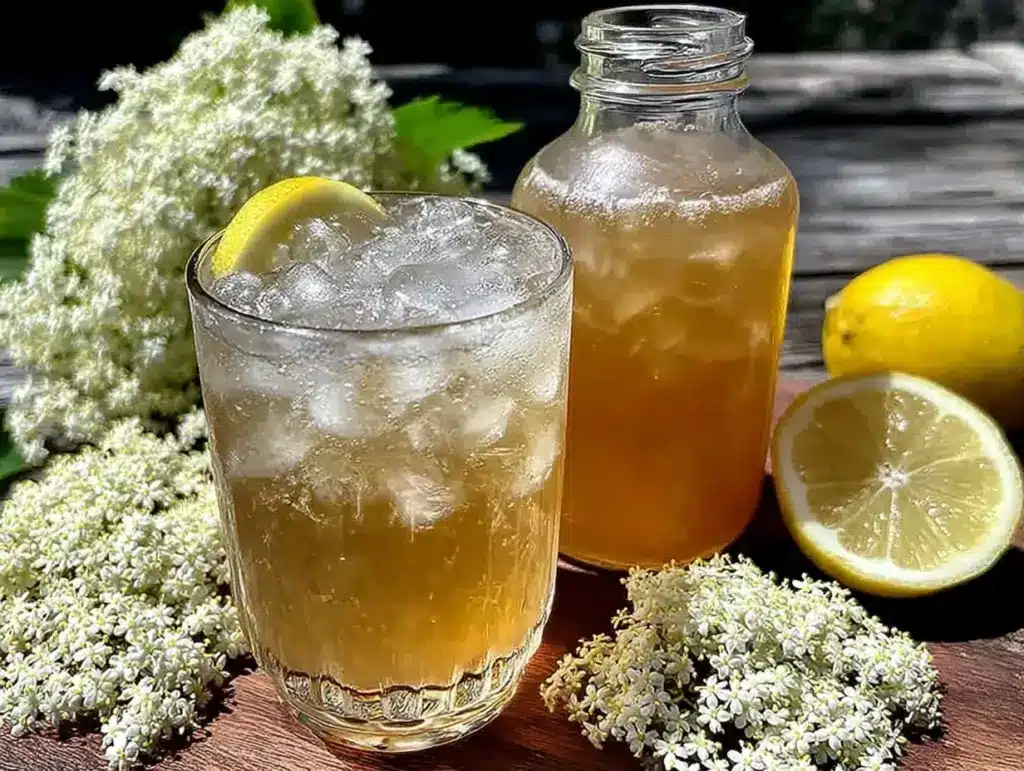
“You’ve got to try this elderflower cordial,” a neighbor called over the fence one warm spring afternoon, waving a bottle like it was some kind of liquid gold. I was skeptical—elderflower? Honestly, I thought it was going to be some fancy, flowery-sounding thing I’d never get around to making. But then I tasted it. That sweet, floral zing with a bright lemon twist hit me like a refreshing breeze on a sticky day. Suddenly, I was hooked.
That bottle sparked a bit of an obsession. I found myself picking elderflower heads on weekend walks, fiddling with sugar levels, and testing different lemons. It wasn’t just about the drink; it became this simple, grounding ritual. Pouring that syrup into sparkling water after a hectic day feels like pressing the reset button. There’s something about it—maybe the way the flowers bloom just once a year, or the subtle perfume that sneaks up on you—that makes this fresh homemade elderflower cordial with lemon stick in my kitchen repertoire.
It’s funny how such a straightforward recipe can carry so much charm. No fancy ingredients, just nature’s gifts and a bit of patience. I never imagined I’d be the person who keeps a stash of cordial in the fridge year-round, ready to brighten up an afternoon or add a little magic to cocktails and desserts. This recipe isn’t just a drink; it’s a quiet moment bottled up, a little seasonal treasure that’s worth every minute of the wait.
Why You’ll Love This Recipe
This fresh homemade elderflower cordial with lemon isn’t your average syrup. I’ve made plenty of cordial recipes over the years, but this one really nails the balance between delicate floral notes and zesty citrus. Here’s why it’s stuck around in my kitchen:
- Quick & Easy: It takes under 30 minutes of active prep time, making it perfect for a spontaneous batch when elderflowers are in season.
- Simple Ingredients: No wild ingredient hunts here. Just fresh elderflowers, lemons, sugar, and water—the kind of pantry staples you can keep on hand or grab at the market.
- Perfect for Spring and Summer: Whether you’re hosting a barbecue, looking for a refreshing brunch drink, or just craving something light and floral, it fits right in.
- Crowd-Pleaser: Kids and adults both love it. The floral sweetness is subtle enough not to overwhelm, and the lemon adds just the right zing.
- Unbelievably Versatile: Use it in sparkling water, cocktails, drizzle over desserts, or even add a splash to iced tea for a lovely twist.
What makes this recipe stand out is the way it respects the elderflower’s delicate aroma. The lemons aren’t just an afterthought—they brighten the whole thing without stealing the show. Plus, I always recommend using organic elderflower heads picked early in the morning when their scent is strongest. That little detail makes all the difference, and honestly, it’s what turns a simple cordial into something you’ll want to share again and again.
What Ingredients You Will Need
This recipe uses simple, wholesome ingredients to deliver a bold floral flavor and refreshing citrus bite without fuss. Each component plays its part in building that perfect balance:
- Elderflower heads (about 20-25): Pick fresh, fully open blooms, avoiding any green parts or bugs. The flowers are the heart of this cordial, giving it that unmistakable aroma.
- Organic lemons (3 large): Zested and juiced. I like using unwaxed lemons to avoid any bitter residues; Meyer lemons can be a great swap for a sweeter, more fragrant note.
- Granulated sugar (1.5 cups / 300 grams): White sugar works best for a clear syrup, but you can substitute with raw sugar for a more caramel undertone.
- Water (4 cups / 1 liter): Fresh, filtered water is ideal. It’s the base that extracts and carries the flavors.
- Citric acid (about 1 tsp): Optional but highly recommended to preserve the cordial and add a slight tartness that balances the sweetness. You can find this at baking or brewing supply stores.
For the best results, I recommend sourcing elderflower heads locally during their short blooming season (usually late spring to early summer). If fresh ones aren’t available, some specialty stores sell frozen or dried elderflowers, but fresh definitely wins on flavor.
Substitutions:
- If you want a lower-sugar version, try reducing the sugar by a quarter and balancing with a splash of honey or agave syrup after brewing.
- For a gluten-free or vegan twist, this recipe is naturally free from both, but always check your sugar source if strict.
Equipment Needed
- Large mixing bowl or container: For steeping the elderflowers and lemon. Glass or food-safe plastic works well.
- Fine-mesh sieve or cheesecloth: To strain out the flowers and zest cleanly. I usually use a double layer of cheesecloth for a clearer cordial.
- Measuring cups and spoons: For precise sugar, water, and citric acid amounts.
- Large saucepan: To dissolve sugar and boil the syrup base.
- Bottles or jars with tight lids: For storing the cordial. I favor glass bottles with swing-top lids—they keep the syrup fresh and look pretty on the pantry shelf.
For those on a budget, a clean, repurposed jar works fine for storage, but just be sure it seals well. I once tried straining with just a kitchen towel, and that took forever—definitely worth investing in a good sieve! Also, if you’re into making syrups often, a funnel helps with bottling and keeps things tidy.
Preparation Method
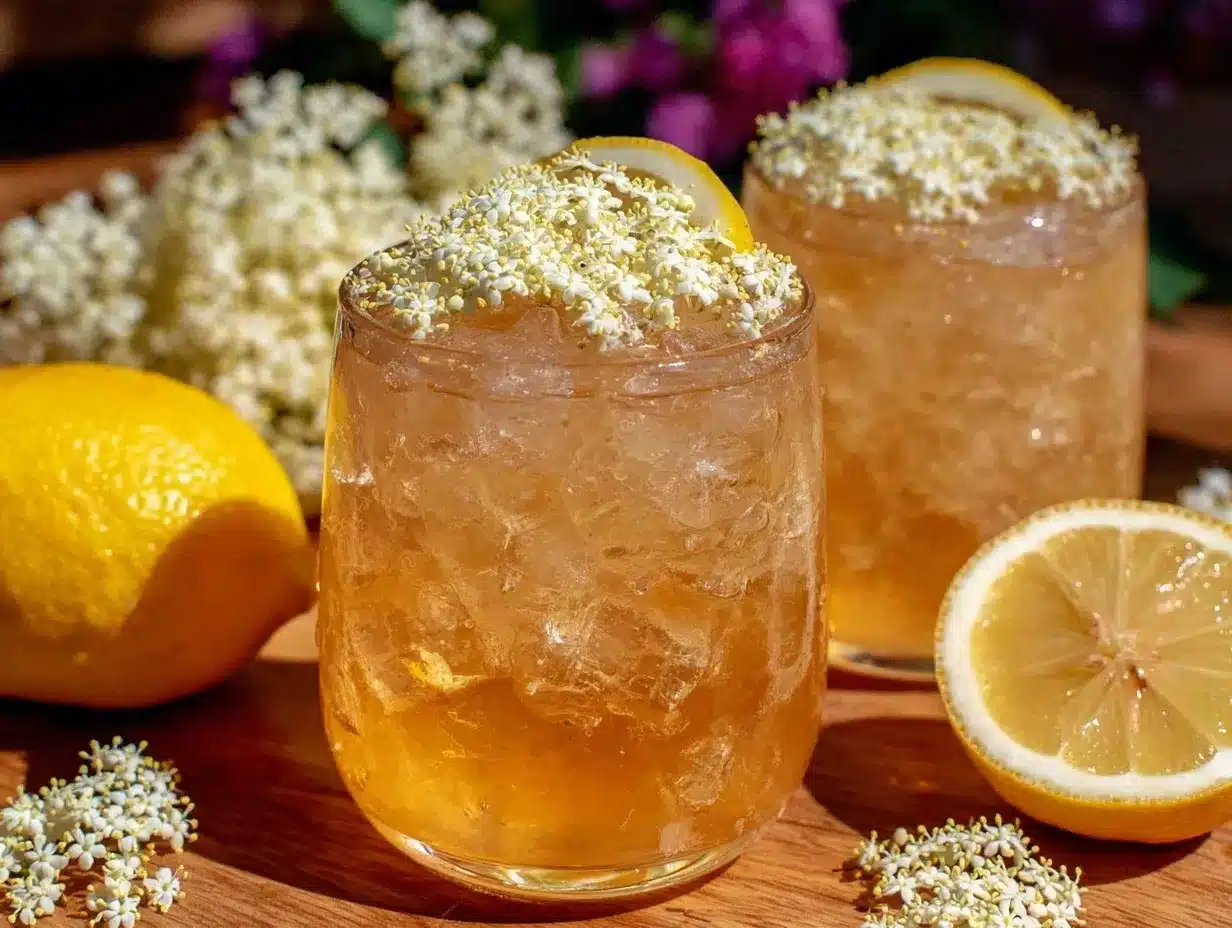
- Prepare the elderflowers: Gently shake the elderflower heads to remove any bugs or dirt. Avoid washing them under water as it washes away the pollen, which holds much of the flavor. Instead, pick clean, fresh heads early in the morning when the flowers are dry.
- Combine water and sugar: In a large saucepan, bring 4 cups (1 liter) of water to a boil. Add 1.5 cups (300 grams) of granulated sugar and stir until fully dissolved. This should take about 5 minutes over medium heat. Remove from heat once dissolved.
- Add lemon zest and juice: While the syrup is still warm (but not boiling), add the zest of 3 large lemons and the juice from these lemons. Stir to combine. The warmth helps release the citrus oils and balances the syrup.
- Steep elderflowers: Pour the syrup mixture into a large bowl or container. Add the elderflower heads and 1 teaspoon of citric acid if using. Stir gently to combine. Cover with a clean cloth or lid and leave to steep for 24-48 hours at room temperature. I usually lean toward 36 hours for the perfect floral intensity.
- Strain the cordial: After steeping, strain the liquid through a fine-mesh sieve lined with cheesecloth into a clean bowl. Press the flowers lightly to extract every last drop but avoid crushing too much of the green stems to prevent bitterness.
- Bottle and store: Using a funnel, pour the cordial into sterilized glass bottles. Seal tightly and refrigerate. The cordial keeps fresh for up to 3 weeks in the fridge or can be frozen for longer storage.
Some tips: If you notice any cloudiness developing after bottling, it’s usually harmless but can be avoided by thorough straining. Also, the cordial tastes best after resting in the fridge for at least a day to let flavors harmonize.
Cooking Tips & Techniques
Making elderflower cordial might seem straightforward, but a few tricks learned the hard way can make all the difference. First off, don’t rinse your elderflowers with water. The pollen is the real flavor bomb, and washing it away mutes the whole thing. Just brush off any dirt gently.
Timing is another key — steeping for less than 24 hours means you miss out on full flavor, but going way beyond 48 hours risks bitterness from the stems and leaves. I’ve learned the sweet spot around 36 hours after a few too many overly floral batches.
Citric acid is a subtle game-changer. It’s not just about preservation; it adds a slight tartness that wakes up the syrup and balances the sugar nicely. If you don’t have citric acid, fresh lemon juice helps but the cordial won’t keep as long.
When bottling, make sure your containers are clean and dry. I once had a batch spoil early because I left a bit of water in my jar. And don’t be shy about experimenting with ratios—if you want a richer syrup, add more sugar, or for a lighter cordial, reduce it.
One last trick: use the cordial as a base for cocktails or mocktails. Mix with sparkling water, add fresh mint, or even a splash of gin for a grown-up twist. This is a fantastic way to make your homemade syrup stretch and impress guests effortlessly.
Variations & Adaptations
The beauty of this recipe is how easy it is to tweak. Here are some variations I’ve tried or recommend:
- Herbal Twist: Add a handful of fresh mint or basil during the steeping stage for an herbal note. It pairs wonderfully with the lemon and elderflower.
- Fruit-Infused: Toss in a few slices of fresh cucumber or a handful of berries like raspberries or blackberries for a summer-friendly flavor boost. Just strain them out along with the flowers.
- Low-Sugar Version: Cut the sugar by half and add a natural sweetener like honey or agave after steeping. This keeps the cordial lighter and less cloying.
- Alcoholic Adaptation: For a quick homemade liqueur, add a cup of vodka or gin to the strained cordial before bottling. Store in a cool place and enjoy after a week.
- Allergen-Friendly: This cordial is naturally gluten-free, dairy-free, and vegan. Just make sure your sugar source fits your dietary needs.
Personally, I once made a batch with a splash of ginger juice added before steeping—it gave a subtle spicy warmth that was unexpected but delightful. It’s fun to play around, but the classic lemon and elderflower combo is tough to beat for sheer freshness.
Serving & Storage Suggestions
Serve this elderflower cordial chilled, diluted with sparkling or still water to taste. It’s fantastic over ice on a hot day or stirred into iced tea. I like to add some fresh lemon slices and mint leaves for a simple, pretty presentation.
It’s also a wonderful mixer for cocktails—try it with gin and tonic or vodka for a floral twist. For dessert, drizzle a little over vanilla ice cream or fresh berries to add a fragrant note.
Store the cordial in the refrigerator for up to three weeks. For longer storage, freeze in ice cube trays and pop cubes into drinks as needed. The flavor mellows slightly over time but remains delicious.
Flavors develop beautifully after a day or two in the fridge, so if you can wait, it’s worth the patience. Just remember to shake or stir the bottle before serving if any settling occurs.
Nutritional Information & Benefits
This fresh homemade elderflower cordial is a light, naturally flavored drink that’s mostly water and sugar. A typical serving (about 100 ml diluted) has roughly 80-100 calories depending on dilution.
Elderflowers have been used traditionally for their mild anti-inflammatory and immune-supporting properties, although the syrup is mostly enjoyed for flavor rather than health claims. The lemons add a good dose of vitamin C and antioxidants.
Because the recipe is free from gluten, dairy, and artificial additives, it’s a friendly option for many dietary preferences. Just keep an eye on sugar if you’re watching intake—diluting well helps keep it refreshing without too much sweetness.
Conclusion
Making fresh homemade elderflower cordial with lemon is one of those simple pleasures that turns ordinary days into something special. It’s a recipe that feels personal, seasonal, and surprisingly easy once you get the hang of it. I love how it captures the fleeting beauty of spring in a bottle and how it can brighten up drinks, desserts, and gatherings alike.
Feel free to tweak the sweetness, add your favorite herbs, or even experiment with alcohol to make it your own. This cordial has become a staple in my kitchen, a little homemade luxury that never fails to impress.
If you try this recipe, I’d love to hear how you enjoyed it or what variations you came up with. Sharing those moments makes the whole process even more rewarding. Here’s to sipping something fresh, floral, and wonderfully homemade!
FAQs about Fresh Homemade Elderflower Cordial with Lemon
How long does elderflower cordial keep in the fridge?
Stored properly in a sterilized bottle, it lasts up to three weeks refrigerated. Adding citric acid helps preserve it longer and keeps the flavor bright.
Can I use dried elderflowers instead of fresh?
Yes, but fresh elderflowers provide the best flavor. If using dried, use about one-third the amount and expect a less intense floral note.
Is elderflower cordial suitable for children?
Absolutely! It’s naturally caffeine-free and sweet but should be diluted before serving. Just keep an eye on the sugar content if serving regularly.
Can I make this cordial gluten-free and vegan?
Yes, the recipe is naturally free from gluten and animal products. Just check that your sugar source is vegan-friendly if that’s a concern.
What’s the best way to serve elderflower cordial?
Diluted with sparkling water over ice is classic. It also pairs well with gin or vodka for cocktails, or drizzled over desserts like fresh fruit or ice cream.
For a floral touch to your kitchen adventures, this cordial pairs nicely with the cranberry orange bread I made last winter—both bring a bright, fresh flavor to any table. And if you love easy homemade treats, you might enjoy the crispy candied pecans that add a sweet crunch to snacks or salads.
Pin This Recipe!
Fresh Homemade Elderflower Cordial with Lemon

A refreshing and floral homemade elderflower cordial with a bright lemon twist, perfect for spring and summer. Easy to make with simple ingredients and versatile for drinks and desserts.
- Prep Time: 15 minutes
- Cook Time: 10 minutes
- Total Time: 36-48 hours (including steeping time)
- Yield: About 4 cups (32 ounces) cordial 1x
- Category: Beverage
- Cuisine: British
Ingredients
- 20–25 fresh elderflower heads, fully open blooms
- 3 large organic lemons, zested and juiced
- 1.5 cups (300 grams) granulated sugar
- 4 cups (1 liter) fresh filtered water
- 1 teaspoon citric acid (optional)
Instructions
- Gently shake the elderflower heads to remove any bugs or dirt. Do not wash with water to preserve pollen.
- In a large saucepan, bring 4 cups (1 liter) of water to a boil. Add 1.5 cups (300 grams) of granulated sugar and stir until fully dissolved, about 5 minutes over medium heat. Remove from heat.
- Add the zest and juice of 3 large lemons to the warm syrup and stir to combine.
- Pour the syrup mixture into a large bowl or container. Add the elderflower heads and 1 teaspoon of citric acid if using. Stir gently, cover, and steep for 24-48 hours at room temperature (36 hours recommended).
- Strain the liquid through a fine-mesh sieve lined with cheesecloth into a clean bowl, pressing lightly to extract liquid but avoiding crushing stems.
- Using a funnel, pour the cordial into sterilized glass bottles. Seal tightly and refrigerate. Keeps fresh up to 3 weeks or can be frozen for longer storage.
Notes
Do not wash elderflowers with water to preserve pollen and flavor. Steep between 24-48 hours for best flavor; 36 hours is ideal. Citric acid helps preserve and balance sweetness. Thorough straining prevents cloudiness. Store in sterilized bottles and refrigerate. Use diluted with sparkling water or in cocktails.
Nutrition
- Serving Size: 100 ml diluted cordi
- Calories: 80100
- Sugar: 2125
- Carbohydrates: 2125
Keywords: elderflower cordial, homemade syrup, lemon cordial, floral drink, spring beverage, summer drink, elderflower recipe