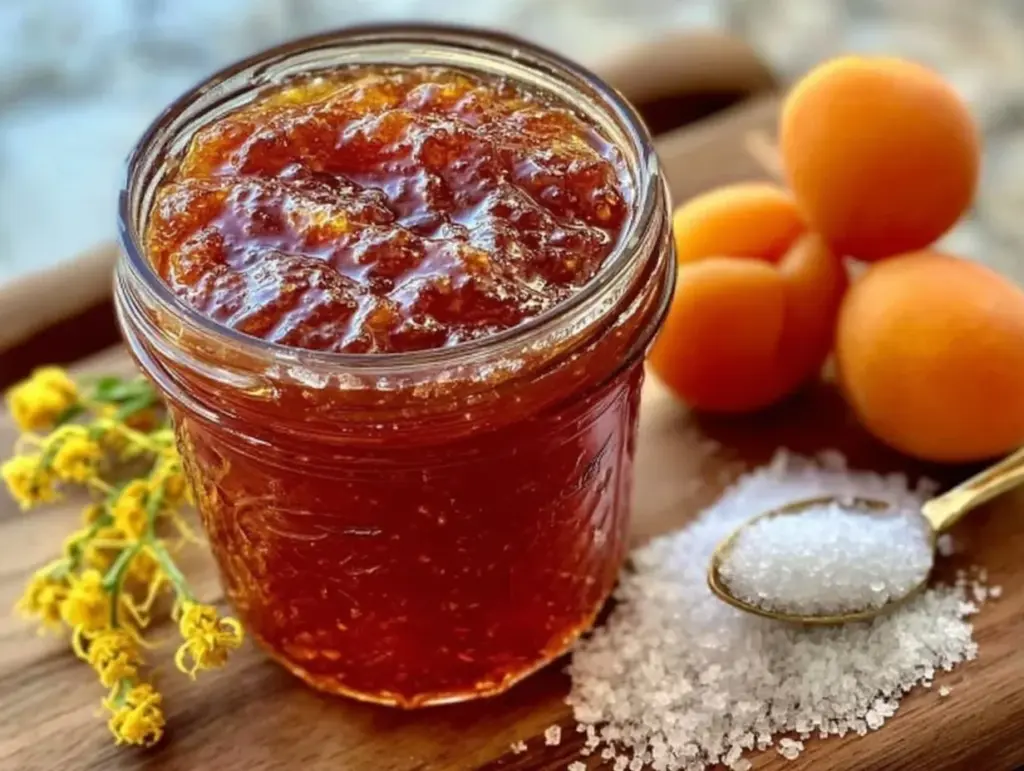
“Are you sure you only used three ingredients?” my friend asked skeptically as she spooned the glossy, golden apricot jam onto her toast. Honestly, I wasn’t sure either when I first tried this recipe. It all started on a lazy Sunday morning when I realized I had a basket of apricots sitting a little too long on my counter. Instead of tossing them or buying fancy pectin, I decided to try a super simple jam that required barely any fuss. The result? A jam so fresh and vibrant that it quickly became a staple in my kitchen.
There’s something about the way apricots break down into this thick, luscious spread that’s both sweet and tangy, with a hint of floral aroma that fills the air as it simmers. I remember standing by the stove, watching the fruit bubble gently, thinking, “This might just be the easiest jam I’ve ever made.” The best part? It’s made with just three things you probably already have: fresh apricots, sugar, and lemon juice. No pectin, no preservatives, just pure, honest ingredients.
What really sticks with me is how this jam isn’t just for toast (though that’s a classic). I’ve stirred it into yogurt, dolloped it on warm biscuits, and even swirled it into a simple cheesecake base. It’s that kind of recipe that feels like a little gift each time you open the jar. I guess the quiet satisfaction of making something so simple taste this good is why I keep coming back to this easy homemade apricot jam recipe.
It’s the kind of recipe that quietly promises comfort and a touch of sunshine, no matter the season.
Why You’ll Love This Recipe
Having made apricot jam a handful of times now, I can confidently say this recipe nails the balance between simplicity and flavor without any complicated steps or ingredients. Here’s why it’s become a favorite:
- Quick & Easy: You can have this jam ready in under 45 minutes, making it perfect for busy mornings or last-minute breakfast plans.
- Simple Ingredients: No need to hunt down special pectin packets or additives — just fresh apricots, sugar, and lemon juice.
- Perfect for Any Occasion: Whether it’s a casual brunch or a holiday spread, this jam adds a sweet, fruity charm that everyone appreciates.
- Crowd-Pleaser: Kids love the natural sweetness, and adults appreciate the homemade touch — it’s always a hit at gatherings.
- Unbelievably Delicious: The texture is smooth with just enough fruit chunks, and the flavor is bright and fresh, not overly sugary.
This isn’t just another jam recipe; it’s a little kitchen gem that’s been fine-tuned through several batches. What sets it apart is the way the lemon juice isn’t just for acidity – it helps the jam set naturally without needing pectin. Plus, I’ve tried versions with different sugar types, but plain granulated sugar gives the best clarity and shine. This recipe gives the kind of satisfaction that you want in your pantry — reliable, tasty, and fuss-free.
Honestly, it’s the kind of recipe that makes you close your eyes after the first bite, appreciating how something so simple can taste so good. If you love making treats like the snowball cookies or the cranberry orange bread, this apricot jam will feel like the perfect homemade companion.
What Ingredients You Will Need
This recipe uses simple, wholesome ingredients to create a jam that’s bursting with natural apricot flavor. All ingredients are pantry staples or fresh fruit, making it a no-stress recipe to keep in your repertoire.
- Fresh Apricots: About 4 cups (roughly 700 grams) of ripe apricots, pitted and chopped. Choose apricots that are fragrant and slightly soft to the touch for the best sweetness and jam texture.
- Granulated Sugar: 2 cups (400 grams). This is the classic sweetener that helps preserve the jam and balance the tartness of the fruit. I like to use a trusted brand like Domino or C&H for consistent results.
- Lemon Juice: 2 tablespoons (30 ml), freshly squeezed. Lemon juice brings brightness and natural pectin, helping the jam thicken without extra additives.
Ingredient Tips: If you want a slightly different flavor profile, swapping some of the sugar for honey or maple syrup works, but keep in mind it may affect the texture and shelf life. For a lower-sugar option, reduce sugar to 1 ½ cups, but the jam will be less firm. In winter, frozen apricots can substitute fresh — just thaw and drain excess liquid before cooking.
Equipment Needed
- Heavy-Bottomed Pot: A sturdy saucepan or pot with thick walls helps prevent the jam from scorching during cooking.
- Wooden Spoon or Heatproof Spatula: For stirring the jam as it cooks to keep it from sticking.
- Measuring Cups and Spoons: Precise measurements ensure the jam sets properly.
- Jar Funnel (optional): Makes transferring hot jam into jars easier and less messy.
- Sterilized Glass Jars: For storing your finished jam—mason jars work perfectly.
If you don’t have a heavy-bottomed pot, a regular saucepan will do, but keep the heat moderate and stir frequently to avoid burning. For my first few batches, I used a simple stainless steel pot, and it worked fine as long as I paid attention. Over time, I found a wooden spoon less likely to scratch my pots than metal utensils. Also, sterilizing jars is key if you want your jam to last longer — I usually boil them or run them through the dishwasher on the hottest cycle.
Preparation Method
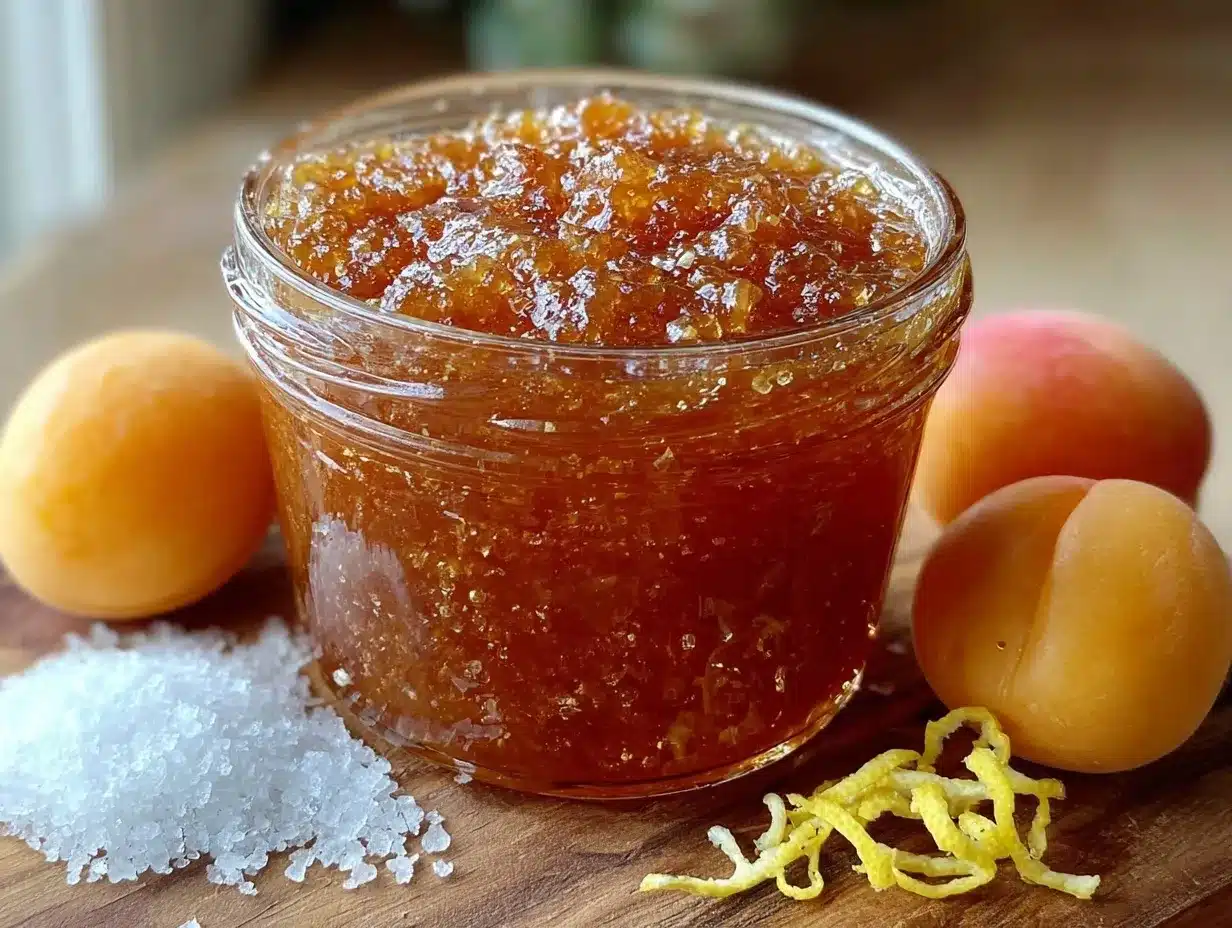
- Prepare the Apricots: Rinse about 4 cups (700 grams) of fresh apricots, pit them carefully, and chop into small pieces (roughly 1/2 inch). This helps them cook down evenly. Set aside. (10 minutes)
- Combine Ingredients: In your heavy-bottomed pot, combine the chopped apricots, 2 cups (400 grams) granulated sugar, and 2 tablespoons (30 ml) freshly squeezed lemon juice. Stir thoroughly to coat the fruit with sugar and lemon. (5 minutes)
- Let It Macerate: Let the mixture sit at room temperature for about 20 minutes. This helps the fruit release its juices and softens before cooking, making the jam smoother.
- Cook the Jam: Place the pot over medium heat and bring the mixture to a gentle boil, stirring frequently to prevent sticking. As it heats, the sugar will dissolve and the apricots will soften. Use a wooden spoon to mash some fruit chunks against the side for a thicker texture. (20-25 minutes)
- Check the Consistency: The jam should start to thicken and bubble steadily. To test, dip a cold spoon into the jam and tilt it — it should coat the spoon and drip slowly. If it’s too runny, cook for another 5-10 minutes, keeping a close eye to avoid burning.
- Remove from Heat: Once the jam has thickened to your liking, remove the pot from heat. Let it cool for a few minutes in the pot. (5 minutes)
- Jar the Jam: Using a jar funnel or ladle, pour the hot jam into sterilized glass jars, leaving about 1/4 inch of headspace. Wipe jar rims clean and seal tightly with lids.
- Cool and Store: Let jars cool completely at room temperature before refrigerating. The jam will continue to thicken as it cools. (2-3 hours)
Pro Tip: Stirring often during cooking is crucial — I learned this the hard way when a batch scorched slightly on the bottom. Also, don’t rush the maceration step; it really makes a difference in melding flavors and achieving that soft, spreadable texture.
Cooking Tips & Techniques
The secret to making great apricot jam lies in patience and attention to texture. Here are a few tips from my kitchen to yours:
- Use Ripe Apricots: The fruit’s ripeness affects sweetness and set. Too hard, and the jam will be tart and less smooth; too soft, and it might turn mushy.
- Don’t Skip Macerating: Letting the apricots rest with sugar and lemon juice before cooking helps break down the fruit naturally and release pectin without extra additives.
- Stir, Stir, Stir: Jam can burn quickly at the bottom. Use a heavy-bottomed pot and stir frequently, scraping the sides and bottom gently.
- Test the Set: The cold spoon test is my go-to. If you want a firmer jam, cook a bit longer, but be careful not to go too far — it can become hard once cooled.
- Adjust Sweetness: Taste the jam before it thickens fully. If it’s too tart, add a bit more sugar gradually.
- Use Fresh Lemon Juice: Bottled lemon juice lacks the natural acids that help jam set properly.
One time, I tried skipping the lemon juice, thinking the apricots were sweet enough. The jam never really set and stayed runny — lesson learned! Also, multitasking while making jam is tricky — I usually clear my kitchen counter to focus, but if pressed, chopping apricots ahead of time makes the process smoother.
Variations & Adaptations
This basic apricot jam recipe is a great starting point for several delicious twists:
- Spiced Apricot Jam: Add a cinnamon stick or a few cloves while cooking for warm, cozy notes.
- Honey-Sweetened Version: Replace half the sugar with honey for a floral sweetness and slightly softer set.
- Low-Sugar Jam: Use 1 ½ cups (300 grams) sugar and extend cooking time to help thicken naturally. The flavor will be less sweet but still vibrant.
- Chunkier Texture: Mash fewer apricots for a more rustic jam with noticeable fruit pieces.
- Frozen Fruit Adaptation: Use thawed frozen apricots in winter; drain excess liquid before cooking to avoid watery jam.
Personally, I’ve enjoyed stirring in a little grated fresh ginger for a spicy kick that pairs beautifully with toast and cream cheese. Also, adapting this jam for a cinnamon roll casserole topping was a surprising hit during a holiday brunch.
Serving & Storage Suggestions
This apricot jam is best served at room temperature, spread thickly on buttered toast, warm biscuits, or swirled into oatmeal. For a special treat, try it with soft cheeses or as a drizzle over vanilla ice cream.
Store the jam in airtight glass jars in the refrigerator for up to 3 weeks. For longer storage, you can freeze jam in freezer-safe containers for up to 3 months without losing quality.
To reheat, warm the jam gently in a small saucepan over low heat, stirring occasionally until it loosens. Avoid boiling to preserve fresh flavor. Over time, the jam’s flavor deepens and becomes more mellow, making it perfect for cozy winter mornings or as an ingredient in desserts like hot cocoa bombs.
Nutritional Information & Benefits
One tablespoon (20 grams) of this homemade apricot jam contains approximately:
| Calories | 50 |
|---|---|
| Carbohydrates | 13 grams |
| Sugars | 12 grams |
| Fiber | 0.5 grams |
| Fat | 0 grams |
Apricots are a good source of vitamins A and C, antioxidants, and dietary fiber. Using fresh fruit and minimal sugar keeps this jam healthier than many store-bought versions packed with preservatives and artificial pectin. Plus, making jam at home lets you control the sweetness and avoid unnecessary additives.
This recipe is naturally gluten-free and can be adapted for lower sugar diets. Just remember, reducing sugar will affect preservation and set. As someone who enjoys balanced meals, I find this jam a lovely way to add natural fruit sweetness without overdoing it.
Conclusion
Making easy homemade apricot jam with just three ingredients proves that sometimes, less really is more. The simplicity of fresh apricots, sugar, and lemon juice coming together in one pot makes me appreciate the little joys of cooking at home. It’s a recipe that invites you to slow down, savor natural flavors, and enjoy the fruits of your labor.
Feel free to tweak sweetness or texture to match your taste — this jam is as flexible as it is delicious. I love how it brings a bit of sunshine to even the simplest breakfast or snack. If you’ve been hesitant to try making jam yourself, this is the one to start with.
And hey, if you enjoy homemade jams, maybe give the cranberry orange bread a shot next — the combination of fruity flavors is unbeatable. I’d love to hear how your jam turns out or any creative spins you try in the comments below!
Frequently Asked Questions
Can I use frozen apricots instead of fresh for this jam?
Yes! Just thaw the apricots completely and drain any excess liquid before cooking. The texture might be slightly softer, but the flavor stays delicious.
Do I need to add pectin to this apricot jam recipe?
Nope. The lemon juice provides natural pectin, and the cooking process thickens the jam nicely without needing commercial pectin.
How long will homemade apricot jam last in the fridge?
Stored properly in sterilized jars, it lasts up to 3 weeks refrigerated. For longer storage, freeze in airtight containers for up to 3 months.
Can I make this jam less sweet?
Yes, reduce sugar to 1 ½ cups (300 grams), but expect a softer set and more tart flavor. Cooking a bit longer helps thicken it.
What’s the best way to test if the jam has set?
Use the cold spoon test: dip a chilled spoon in the jam and tilt it. If the jam coats and drips slowly without running off quickly, it’s ready.
Pin This Recipe!
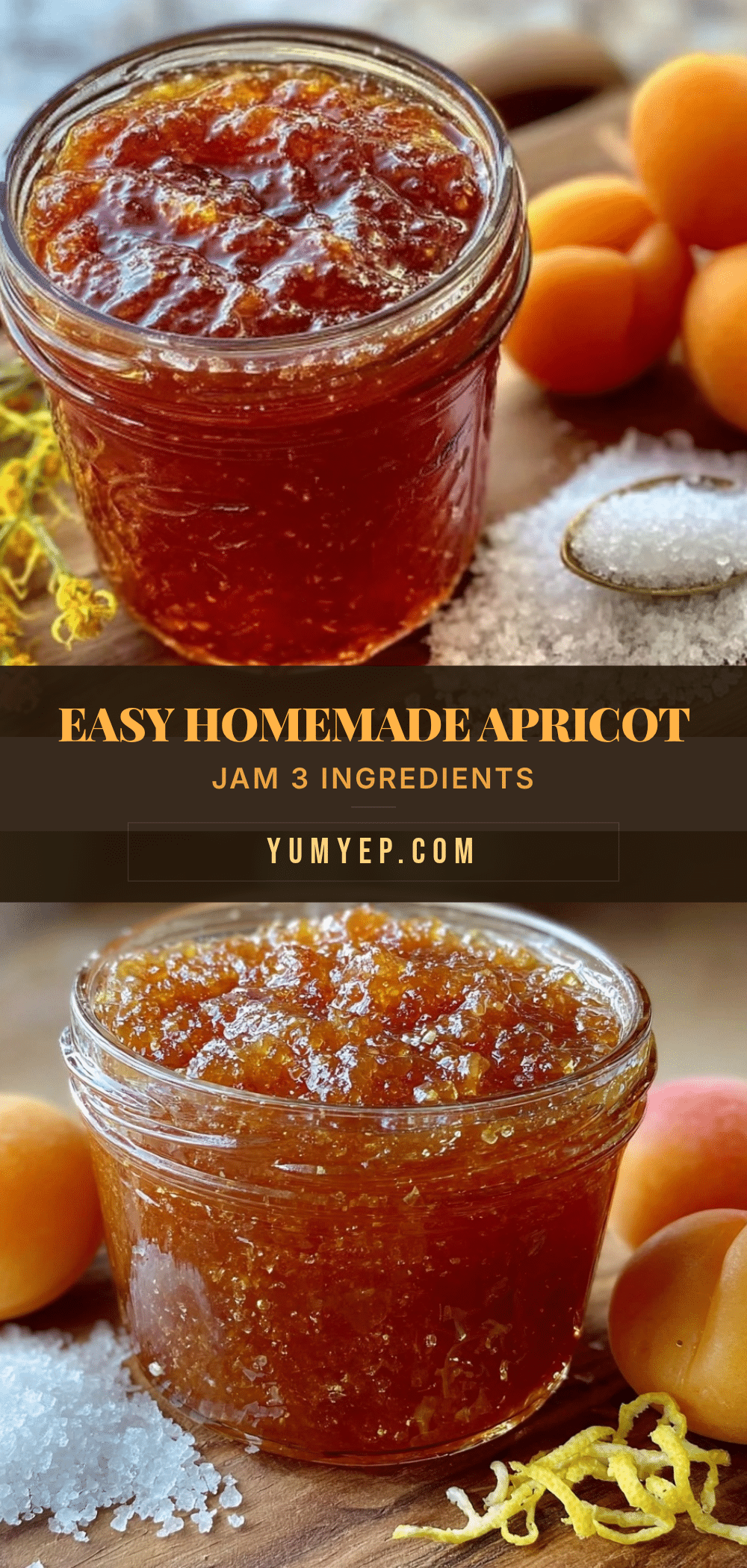
Easy Homemade Apricot Jam Recipe with 3 Simple Ingredients

A simple and quick apricot jam made with just fresh apricots, sugar, and lemon juice, no pectin needed. Perfect for toast, yogurt, or baking.
- Prep Time: 15 minutes
- Cook Time: 25 minutes
- Total Time: 45 minutes
- Yield: About 3 cups (approximately 12 servings of 1 tablespoon each) 1x
- Category: Preserves
- Cuisine: American
Ingredients
- 4 cups (700 grams) fresh apricots, pitted and chopped
- 2 cups (400 grams) granulated sugar
- 2 tablespoons (30 ml) freshly squeezed lemon juice
Instructions
- Rinse about 4 cups (700 grams) of fresh apricots, pit them carefully, and chop into small pieces (roughly 1/2 inch). Set aside. (10 minutes)
- In a heavy-bottomed pot, combine the chopped apricots, 2 cups (400 grams) granulated sugar, and 2 tablespoons (30 ml) freshly squeezed lemon juice. Stir thoroughly to coat the fruit with sugar and lemon. (5 minutes)
- Let the mixture sit at room temperature for about 20 minutes to macerate.
- Place the pot over medium heat and bring the mixture to a gentle boil, stirring frequently to prevent sticking. Mash some fruit chunks against the side for a thicker texture. Cook for 20-25 minutes.
- Check the consistency by dipping a cold spoon into the jam and tilting it; it should coat the spoon and drip slowly. If too runny, cook another 5-10 minutes.
- Remove from heat and let cool for a few minutes in the pot. (5 minutes)
- Pour the hot jam into sterilized glass jars using a jar funnel or ladle, leaving about 1/4 inch headspace. Wipe rims clean and seal tightly.
- Let jars cool completely at room temperature before refrigerating. The jam will thicken as it cools. (2-3 hours)
Notes
Use ripe apricots for best sweetness and texture. Stir frequently to prevent burning. Let the mixture macerate before cooking for smoother jam. Use fresh lemon juice for natural pectin. Test jam set with cold spoon test. Store in sterilized jars refrigerated up to 3 weeks or freeze up to 3 months.
Nutrition
- Serving Size: 1 tablespoon (20 gra
- Calories: 50
- Sugar: 12
- Carbohydrates: 13
- Fiber: 0.5
Keywords: apricot jam, homemade jam, easy jam recipe, fruit preserves, no pectin jam, simple jam, apricot spread