Introduction
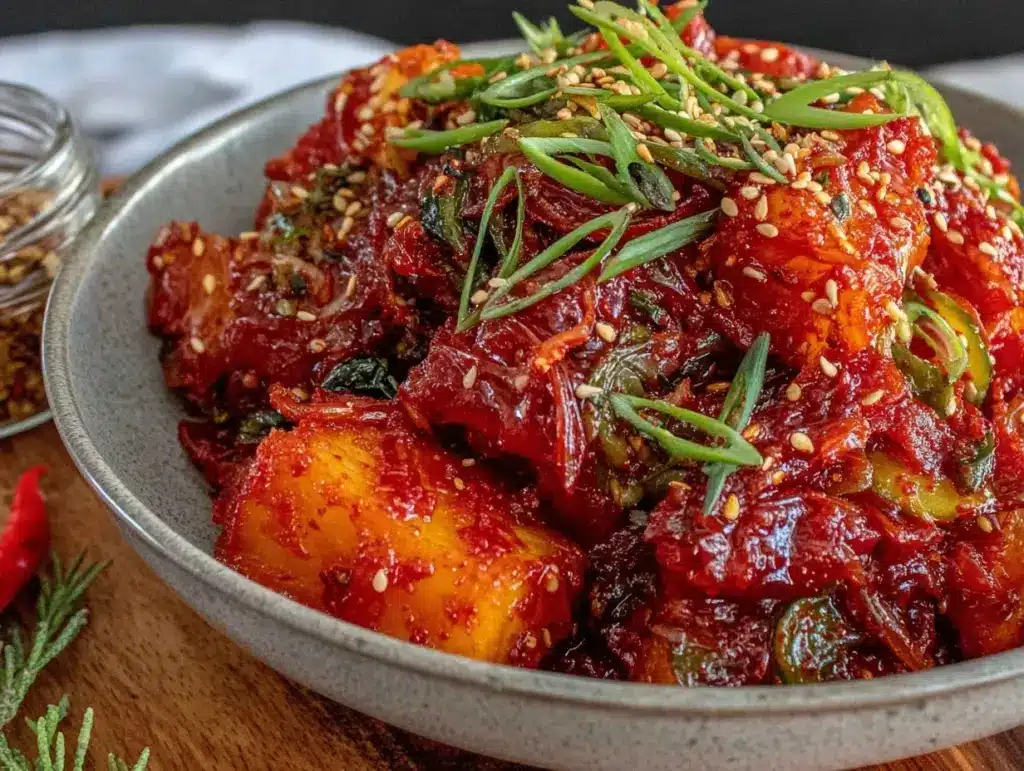
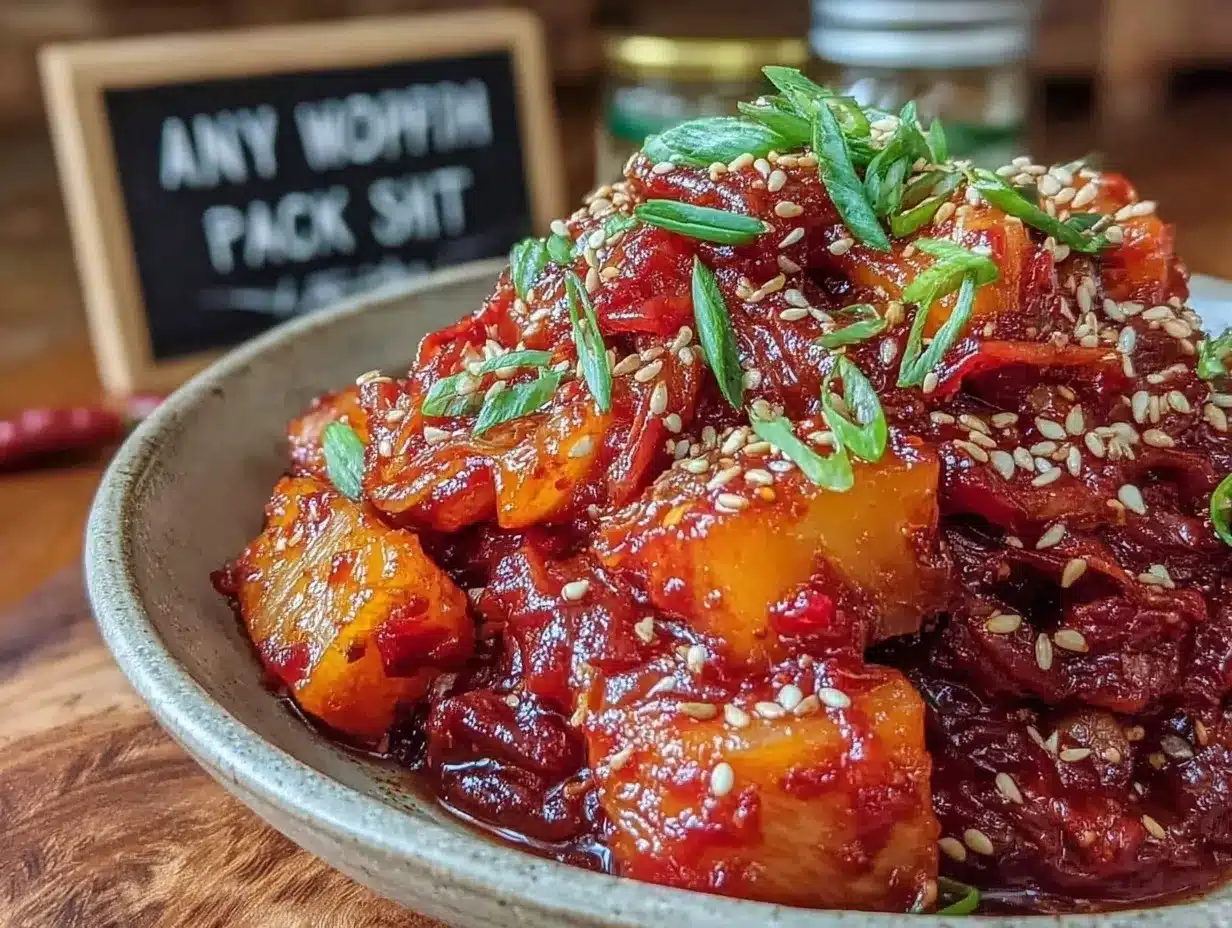
Imagine the warm, spicy kick of traditional kimchi combined with the smooth sweetness of roasted pumpkin. The first time I tried pumpkin kimchi, I was hooked—hooked in that “I can’t stop eating this” kind of way. The tangy, fermented goodness of kimchi paired with the rich earthiness of pumpkin is a match made in culinary heaven. As the crisp autumn air rolled in and pumpkins started popping up everywhere, I knew I had to try my hand at recreating this recipe.
When I served it at our family dinner last fall, the reactions were priceless. My sister swore it was “better than the store-bought stuff,” while my mom kept sneaking extra bites straight from the jar. I knew I had stumbled upon something truly special that would be a staple in our kitchen every autumn season. Honestly, it’s the kind of dish that feels like a warm hug but with a zesty attitude.
This pumpkin kimchi is perfect for adding a seasonal twist to your meals, whether you’re whipping up a comforting rice bowl, jazzing up your fried rice, or just snacking on it straight from the jar (no judgment here). I’ve tested and tweaked this recipe a few times, and now I can confidently say it’s one you’ll want to bookmark. Let’s get started!
Why You’ll Love This Recipe
- Perfect for Fall: Pumpkin season is here, and this recipe is the perfect way to embrace it in your cooking.
- Unique Twist on Classic Kimchi: While cabbage kimchi is a beloved staple, the sweetness of pumpkin paired with spicy gochugaru creates a flavor explosion you won’t forget.
- Simple Ingredients: No need to hunt down exotic items—you can likely find everything at your local grocery store or Asian market.
- Great for Meal Prep: This kimchi lasts for weeks in the fridge, making it a fantastic addition to quick lunches and dinners.
- Packed with Flavor: A perfect balance of sweet, spicy, sour, and umami makes this dish a guaranteed crowd-pleaser.
What makes this recipe truly special is how the marriage of gochugaru—Korean chili flakes—and the roasted pumpkin creates a depth of flavor that’s both bold and comforting. It’s a dish that impresses guests and satisfies your cravings, all while being surprisingly easy to make. Trust me, this isn’t just “any” kimchi; this is the one you’ll want on your table year-round.
What Ingredients You Will Need
This recipe uses simple ingredients that pack a flavorful punch, with a seasonal twist. Here’s what you’ll need:
- Pumpkin: About 4 cups of peeled and cubed pumpkin (use sugar pumpkin or kabocha for a sweeter taste).
- Napa cabbage: 1 medium head, chopped into bite-sized pieces.
- Carrots: 1 large carrot, julienned (adds crunch and color).
- Green onions: 4-5 stalks, chopped into 1-inch pieces.
- Fresh ginger: 1 tablespoon, grated (adds warmth and depth).
- Garlic: 4-5 cloves, minced finely.
- Gochugaru: 2-3 tablespoons, depending on your spice tolerance.
- Fish sauce: 2 tablespoons (or soy sauce for a vegetarian option).
- Rice flour: 2 tablespoons, mixed with 1/4 cup water to create a paste.
- Granulated sugar: 1 teaspoon (balances the flavors).
- Sea salt: 1/4 cup, for massaging the cabbage.
- Water: 1/4 cup for the rice flour paste.
These ingredients come together to create an irresistible blend of flavors and textures. And don’t worry—if you have dietary restrictions, I’ll share substitutions and variations later in this post.
Equipment Needed
Here’s what you’ll need to whip up your pumpkin kimchi:
- Large mixing bowls: Great for massaging the cabbage and combining all the ingredients.
- Sharp knife: A good knife makes chopping the pumpkin and vegetables easier.
- Grater or microplane: Perfect for grating ginger and garlic.
- Wooden spoon: Helpful for stirring the rice flour paste.
- Glass jars with lids: Essential for storing your kimchi while it ferments.
If you don’t have glass jars, fear not—any airtight container will work just fine. I’ve used everything from Tupperware to repurposed pickle jars, and they all do the trick!
Preparation Method
- Prepare the cabbage: Chop the Napa cabbage into bite-sized pieces and place it in a large mixing bowl. Sprinkle with 1/4 cup of sea salt and massage it into the cabbage. Let it sit for about 1-2 hours, tossing occasionally. This draws out excess moisture and helps the fermentation process.
- Rinse the cabbage: After 1-2 hours, rinse the cabbage thoroughly under cold water to remove excess salt. Drain well and set aside.
- Cook the pumpkin: Peel and cube the pumpkin into 1-inch pieces. Roast at 375°F (190°C) for 20-25 minutes or until tender but not mushy. Let it cool completely.
- Make the rice flour paste: In a small saucepan, mix 2 tablespoons of rice flour with 1/4 cup of water. Heat on low, stirring continuously, until the mixture thickens into a paste. Set aside to cool.
- Prepare the seasoning: In a medium bowl, combine grated ginger, minced garlic, gochugaru, fish sauce, and sugar. Stir well to create a spicy paste.
- Combine the vegetables: In the large mixing bowl with the drained cabbage, add the roasted pumpkin cubes, julienned carrots, and chopped green onions.
- Mix everything together: Pour the seasoning paste and rice flour mixture onto the vegetables. Wear gloves to protect your hands, and gently mix everything until the vegetables are evenly coated.
- Pack the kimchi: Transfer the mixture into clean glass jars or airtight containers. Press down firmly to remove any air pockets, leaving about 1 inch of space at the top.
- Let it ferment: Leave the jars at room temperature for 1-3 days, depending on your preference for tanginess. Check daily, pressing down on the vegetables to keep them submerged in the brine.
- Refrigerate: Once the desired tanginess is achieved, transfer the jars to the refrigerator. Your pumpkin kimchi is ready to enjoy!
Pro tip: If you notice any bubbles during fermentation, that’s a good sign—it means the magic is happening! Just make sure your vegetables stay submerged to prevent spoilage.
Cooking Tips & Techniques
Making kimchi might seem intimidating, but here are some tips to help you nail it:
- Don’t rush the fermentation: The flavor deepens as it ferments, so give it time to develop that signature tang.
- Use gloves: Mixing the spicy paste can be tough on your hands, so wear gloves to protect your skin.
- Keep it submerged: Make sure all vegetables are pressed down under the brine to avoid spoilage.
- Adjust the spice level: Start with less gochugaru if you’re unsure, and add more later if you want extra heat.
- Troubleshooting: If your kimchi develops an odd smell or mold, it’s best to discard it and try again. Clean containers are key to avoiding contamination.
If your first batch isn’t perfect, don’t give up! Even the pros experiment with their recipes to find the best balance of flavors.
Variations & Adaptations
This pumpkin kimchi recipe is super versatile. Here are a few ideas to make it your own:
- Make it vegan: Swap the fish sauce for soy sauce or tamari to keep it plant-based.
- Add more veggies: Try adding daikon radish or zucchini for extra texture and flavor.
- Seasonal twist: Replace pumpkin with butternut squash or sweet potatoes for a different take.
- Go mild: If you’re not a fan of spice, reduce the gochugaru or use a mild chili powder instead.
- Experiment with fruit: Try adding thin slices of Asian pear or apple for a hint of sweetness.
One of my favorite variations is swapping the roasted pumpkin with roasted sweet potatoes—they add a silky texture that’s simply irresistible.
Serving & Storage Suggestions
Here’s how to serve and store your pumpkin kimchi:
- Serving suggestions: Serve chilled as a side dish, use it as a topping for rice or noodles, or toss it into a stir-fry for an extra kick.
- Best pairing ideas: Pair it with Korean barbecue, fried rice, or a warm bowl of ramen for a flavor-packed meal.
- Storage tips: Store your pumpkin kimchi in airtight glass jars in the refrigerator. It will keep for up to 4 weeks.
- Reheating tips: Kimchi is typically served cold, but you can sauté it for a warm option—just be careful not to cook it for too long or you’ll lose some of its tangy fermented flavor.
- Flavor note: Kimchi becomes more tangy and robust over time, so taste it periodically to see how it evolves.
Trust me, the longer you let this kimchi sit, the deeper the flavors will become. Just make sure to keep your jars sealed tightly to maintain freshness.
Nutritional Information & Benefits
This pumpkin kimchi is not just delicious—it’s good for you too! Here’s a quick rundown:
- Rich in vitamins: Pumpkin is packed with fiber, vitamin A, and antioxidants, making this recipe a nutrient powerhouse.
- Gut health boost: The fermentation process creates probiotics that support a healthy digestive system.
- Low-calorie option: With minimal calories, this kimchi is a guilt-free flavor boost to any meal.
- Dietary considerations: This recipe is naturally gluten-free, and with simple swaps, it can be made vegan or vegetarian.
Not only does this dish taste amazing, but it’s also a great way to sneak in healthy, seasonal ingredients. Your gut will thank you!
Conclusion
There you have it—Flavorful Pumpkin Kimchi with Gochugaru, a seasonal twist on a classic favorite that’s as delicious as it is unique. Whether you’re new to fermenting or a seasoned pro, this recipe will become a staple in your kitchen. You’ll love customizing it to suit your taste buds, and it’s a guaranteed hit for family dinners, potlucks, or just a quiet night in.
Personally, I love this recipe because it’s a little unexpected—pumpkin in kimchi? Who knew it could be so amazing! Plus, every time I open a jar, the vibrant colors and zesty aroma make me smile.
If you try this recipe, let me know how it turns out in the comments below. Did you make any fun variations? I’d love to hear about your creative twists! Don’t forget to share this recipe with your friends—it’s too good to keep to yourself. Happy fermenting!
FAQs
Can I use canned pumpkin instead of fresh?
Fresh pumpkin works best for texture and flavor, but you can experiment with canned pumpkin if you’re in a pinch. Just make sure it’s not pureed—it should still have some chunkiness.
How long should I ferment the kimchi?
It depends on your taste! For mild tang, 1-2 days at room temperature is fine. For a stronger fermented flavor, leave it for up to 3 days before refrigerating.
Can I make this without gochugaru?
You can use other chili powders or flakes, but keep in mind that gochugaru has a distinctive flavor that’s key to traditional kimchi. If you’re avoiding spice altogether, you can skip it, but the flavor profile will be different.
What can I eat with pumpkin kimchi?
This kimchi is incredibly versatile—serve it with rice, noodles, Korean barbecue, or even scrambled eggs for a flavorful kick.
Can I freeze pumpkin kimchi?
While freezing is not recommended as it can alter the texture, you can freeze it if you don’t mind a softer consistency later. Refrigeration is best for preserving the crunch and flavor.
Pin This Recipe!
Flavorful Pumpkin Kimchi Recipe with Gochugaru

A seasonal twist on traditional kimchi, combining the tangy, fermented goodness of kimchi with the smooth sweetness of roasted pumpkin and spicy gochugaru.
- Prep Time: 2 hours
- Cook Time: 25 minutes
- Total Time: 2 hours 25 minutes
- Yield: 4 servings 1x
- Category: Side Dish
- Cuisine: Korean
Ingredients
- 4 cups peeled and cubed pumpkin (sugar pumpkin or kabocha)
- 1 medium head Napa cabbage, chopped into bite-sized pieces
- 1 large carrot, julienned
- 4–5 stalks green onions, chopped into 1-inch pieces
- 1 tablespoon fresh ginger, grated
- 4–5 cloves garlic, minced finely
- 2–3 tablespoons gochugaru (Korean chili flakes)
- 2 tablespoons fish sauce (or soy sauce for vegetarian option)
- 2 tablespoons rice flour
- 1 teaspoon granulated sugar
- 1/4 cup sea salt
- 1/4 cup water (for rice flour paste)
Instructions
- Chop the Napa cabbage into bite-sized pieces and place it in a large mixing bowl. Sprinkle with 1/4 cup of sea salt and massage it into the cabbage. Let it sit for about 1-2 hours, tossing occasionally.
- Rinse the cabbage thoroughly under cold water to remove excess salt. Drain well and set aside.
- Peel and cube the pumpkin into 1-inch pieces. Roast at 375°F (190°C) for 20-25 minutes or until tender but not mushy. Let it cool completely.
- In a small saucepan, mix 2 tablespoons of rice flour with 1/4 cup of water. Heat on low, stirring continuously, until the mixture thickens into a paste. Set aside to cool.
- In a medium bowl, combine grated ginger, minced garlic, gochugaru, fish sauce, and sugar. Stir well to create a spicy paste.
- In the large mixing bowl with the drained cabbage, add the roasted pumpkin cubes, julienned carrots, and chopped green onions.
- Pour the seasoning paste and rice flour mixture onto the vegetables. Wear gloves to protect your hands, and gently mix everything until the vegetables are evenly coated.
- Transfer the mixture into clean glass jars or airtight containers. Press down firmly to remove any air pockets, leaving about 1 inch of space at the top.
- Leave the jars at room temperature for 1-3 days, depending on your preference for tanginess. Check daily, pressing down on the vegetables to keep them submerged in the brine.
- Once the desired tanginess is achieved, transfer the jars to the refrigerator. Your pumpkin kimchi is ready to enjoy!
Notes
[‘Don’t rush the fermentation process; the flavor deepens as it ferments.’, ‘Wear gloves to protect your hands when mixing the spicy paste.’, ‘Ensure all vegetables are submerged in the brine to avoid spoilage.’, ‘Adjust the spice level by starting with less gochugaru and adding more later.’, ‘Clean containers are essential to avoid contamination during fermentation.’]
Nutrition
- Serving Size: 1 cup
- Calories: 50
- Sugar: 3
- Sodium: 500
- Fat: 0.5
- Carbohydrates: 10
- Fiber: 2
- Protein: 1
Keywords: Pumpkin Kimchi, Gochugaru, Korean Recipe, Fermented Food, Fall Recipe, Seasonal Dish, Healthy Side Dish, Probiotic Recipe