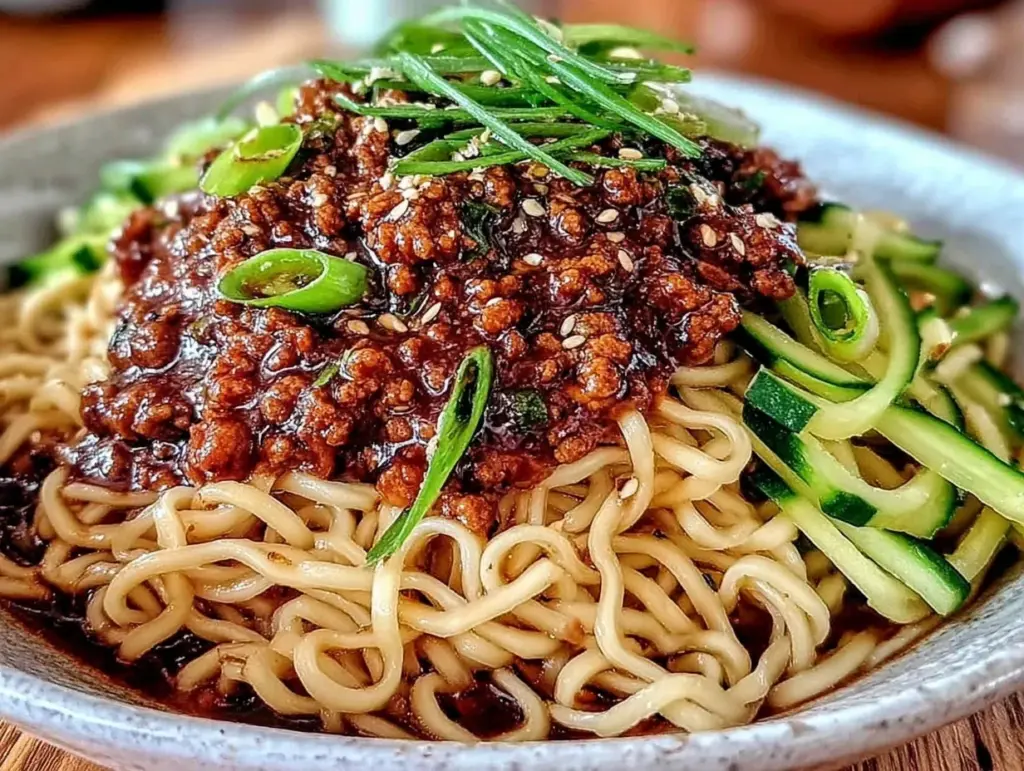
Let me tell you, the moment I first caught the scent of simmering soybean meat sauce mingling with freshly boiled noodles, I was hooked. The rich aroma, a blend of fermented bean paste and savory soy, filled the kitchen and instantly transported me to a bustling street market in Beijing. The first time I made this hearty Savory Zha Jiang Mian Noodles with Authentic Soybean Meat Sauce, it was a rainy afternoon, the kind that makes you crave something warm and satisfying—this dish delivered exactly that. There was this pause, you know, where you just sit back with your chopsticks midway to your mouth, take a deep breath, and smile because you’re onto something truly special.
Years ago, when I was knee-high to a grasshopper, my grandmother used to whip up a version of this noodle dish on chilly weekends. It was rustic and simple, yet packed with bold flavors that somehow felt like a hug in a bowl. I never thought I’d be able to recreate that magic until I stumbled upon authentic fermented soybean paste and tried my hand at the sauce. Honestly, I wish I’d discovered this recipe years ago; it’s dangerously easy and perfect for brightening up any weeknight dinner or impressing friends at potlucks.
My family couldn’t stop sneaking bites off the cooling rack while I was plating, and I can’t really blame them. There’s something about the combination of chewy noodles with that rich, umami-packed soybean meat sauce that’s pure, nostalgic comfort. You know what? This recipe is just right for anyone looking to add a little boldness to their noodle game without a ton of fuss. After a few trials (in the name of research, of course), it became a staple for family gatherings and even a go-to gift idea wrapped in a pretty jar of sauce. Trust me—you’re going to want to bookmark this one.
Why You’ll Love This Recipe
After many kitchen experiments and family feedback sessions, I can say this Savory Zha Jiang Mian Noodles recipe stands out for many reasons. It’s not just another noodle bowl—it’s a celebration of flavors brought together by a sauce that’s deeply savory and authentically satisfying. Here’s why it might just become your next favorite:
- Quick & Easy: This dish comes together in under 30 minutes, making it perfect for busy weeknights or last-minute cravings.
- Simple Ingredients: No fancy trips to specialty stores needed—most ingredients are pantry staples or easy to find in Asian markets.
- Perfect for Any Occasion: Whether it’s a casual family dinner or a fun potluck, these noodles hit the spot every time.
- Crowd-Pleaser: Kids and adults alike have given rave reviews, especially for the rich soybean meat sauce.
- Unbelievably Delicious: The sauce’s deep umami flavor combined with chewy noodles offers a comfort food experience unlike any other.
This isn’t just a quick stir-together meal—it’s made with a special technique of slowly simmering the soybean meat sauce until all the flavors meld perfectly. I like to blend in a touch of sweetness and a hint of spice to balance the saltiness, which makes it uniquely mine. After the first bite, you might just close your eyes and savor that perfect harmony of taste. It’s comfort food, but with soul and character, ready to impress guests or simply elevate a cozy night in.
What Ingredients You Will Need
This recipe uses simple, wholesome ingredients that come together to deliver bold flavor and satisfying texture without the fuss. Most of the ingredients are pantry staples or can be easily sourced from your local Asian grocery store.
- For the Soybean Meat Sauce:
- Textured vegetable protein (soybean meat), rehydrated (adds hearty texture)
- Yellow soybean paste (huang dou jiang) or miso paste (for authentic depth)
- Fermented soybean paste (doubanjiang) – be sure to get a mild version if you prefer less heat
- Soy sauce, dark and light (for balanced saltiness and color)
- Shaoxing wine or dry sherry (helps develop aroma)
- Brown sugar or rock sugar (adds a subtle sweetness)
- Garlic, minced (fresh garlic is best for punchy flavor)
- Ginger, minced (adds warmth)
- Green onions, chopped (for freshness in the sauce and garnish)
- Vegetable oil (neutral oil like canola or peanut)
- For the Noodles and Garnish:
- Fresh or dried wheat noodles (I recommend fresh hand-pulled or thick egg noodles for chewy texture)
- Cucumber, julienned (adds crisp contrast)
- Bean sprouts (optional, for crunch)
- Sesame oil (to drizzle over the finished dish)
For substitutions, you can swap textured vegetable protein with finely chopped mushrooms for a different texture or use gluten-free noodles if needed. If you can’t find yellow soybean paste, a mix of miso and soy sauce works well too. When picking soybean paste brands, I usually trust Lee Kum Kee or Kikkoman for consistent quality.
Equipment Needed
- Large pot for boiling noodles — a heavy-bottomed one works best to keep water at a rolling boil.
- Medium saucepan or skillet for simmering the soybean meat sauce — non-stick pans help prevent burning.
- Fine mesh strainer or colander for draining noodles.
- Measuring spoons and cups — precision matters for balancing flavors in the sauce.
- Sharp knife and cutting board for prepping garlic, ginger, and vegetables.
- Chopsticks or tongs for stirring and serving noodles.
- Optional: Food processor or mortar and pestle if you want to blend garlic and ginger into a paste quickly.
If you don’t have a non-stick skillet, a well-seasoned cast iron pan works well too but watch the heat carefully to avoid burning the paste. For budget-friendly noodle options, dried wheat noodles are readily available and work just fine if fresh noodles aren’t an option. I’ve found that using a sturdy colander makes draining noodles much easier without breaking them.
Preparation Method
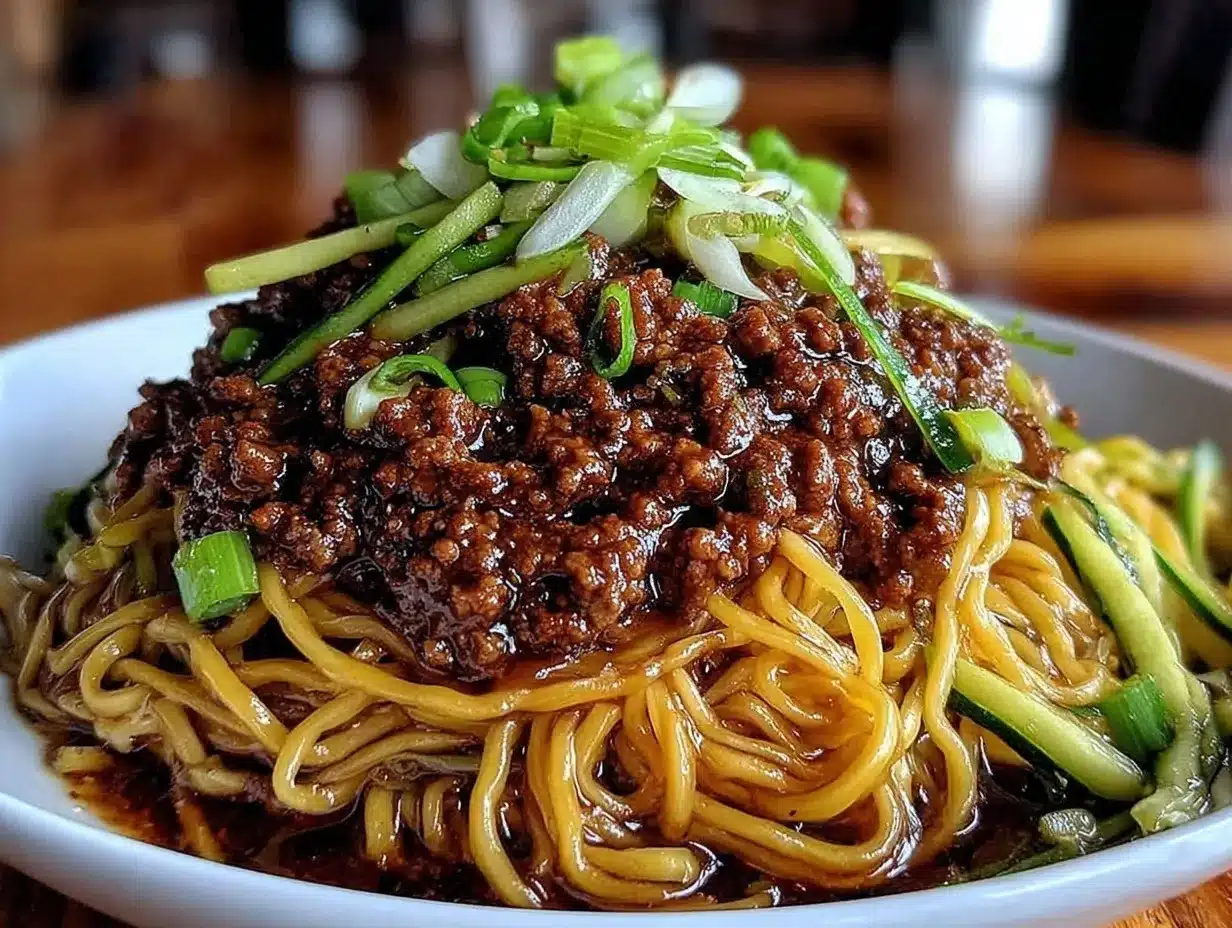
- Rehydrate the Soybean Meat: Place 1 cup (120g) of textured vegetable protein in a bowl and cover with hot water. Let it soak for about 10 minutes until softened. Drain thoroughly, squeeze out excess water, and set aside. (This step gives you that meaty bite without the meat.)
- Prepare the Sauce Base: Heat 2 tablespoons (30ml) of vegetable oil in a medium skillet over medium heat. Add 3 cloves garlic and 1 tablespoon ginger, both minced, and sauté until fragrant, about 1-2 minutes. Be careful not to burn them—aroma is your guide here.
- Add the Soybean Meat: Toss in the rehydrated soybean meat and stir-fry for about 3-4 minutes until it starts to brown and absorb the aromatics.
- Incorporate the Pastes and Seasonings: Stir in 2 tablespoons (30g) yellow soybean paste, 1 tablespoon (15g) fermented soybean paste, 1 tablespoon light soy sauce, 1 tablespoon dark soy sauce, 1 tablespoon Shaoxing wine, and 1 teaspoon brown sugar. Mix well to coat the soybean meat evenly.
- Simmer the Sauce: Add ½ cup (120ml) water to the pan, reduce heat to low, and let the sauce simmer gently for 10-15 minutes. Stir occasionally to prevent sticking. The sauce should thicken slightly and become richly aromatic. Taste and adjust saltiness or sweetness as needed.
- Cook the Noodles: While the sauce simmers, bring a large pot of water to a rolling boil. Add 8 ounces (225g) of noodles and cook according to package instructions—usually 3-5 minutes for fresh, 7-9 minutes for dried. Test a strand for tenderness but with a bit of bite (al dente).
- Drain and Rinse Noodles: Drain noodles in a colander and rinse briefly under cold water to stop cooking and remove surface starch. Toss with a small drizzle of sesame oil to prevent sticking.
- Prepare Garnishes: Julienne half a cucumber and rinse a handful of bean sprouts if using. These add freshness and crunch that balance the rich sauce.
- Assemble the Dish: Divide noodles into bowls, ladle generous amounts of soybean meat sauce on top, and garnish with cucumber sticks and bean sprouts. Finish with a sprinkle of chopped green onions and an extra drizzle of sesame oil if you like.
Pro tip: If your sauce feels too thick, add a splash more water. If it’s too salty, a pinch of sugar can mellow it out. The sauce should cling to the noodles but not be gluey. Also, stirring the sauce gently helps it develop that glossy finish that looks as good as it tastes.
Cooking Tips & Techniques
Cooking authentic Zha Jiang Mian Noodles is all about balance and patience. Here are some tips I’ve picked up over the years:
- Don’t rush the simmer: Letting the soybean meat sauce simmer low and slow allows flavors to meld and deepen. Trust me, that extra 10 minutes makes all the difference.
- Keep the garlic and ginger fresh: Using fresh aromatics rather than powders really lifts the dish’s flavor profile.
- Master the noodles: Overcooked noodles become mushy and weigh down the sauce. Taste-test regularly and rinse with cold water to stop cooking.
- Season gradually: Add soy sauce and sugar in small amounts and taste as you go to avoid overpowering the dish.
- Multitasking magic: While your sauce simmers, prep your garnishes and cook noodles simultaneously to save time.
- Common mistake: Using too much fermented bean paste can make the sauce bitter or overly salty. Start with less and adjust.
One time, I forgot to rinse the noodles and ended up with a sticky mess (lesson learned!). Now, I always rinse and toss with a bit of sesame oil before serving. Also, stirring the sauce occasionally prevents it from sticking or burning on the bottom of the pan—a small step that pays off big.
Variations & Adaptations
This Zha Jiang Mian recipe is incredibly flexible, so don’t hesitate to tweak it to your liking or dietary needs:
- Vegetarian/Vegan: This recipe is naturally vegan when using textured vegetable protein, but you can swap in finely chopped shiitake mushrooms for a different texture.
- Spicy Kick: Add a teaspoon of chili oil or a pinch of crushed red pepper flakes to the sauce for a subtle heat that complements the umami.
- Gluten-Free: Use rice noodles or gluten-free wheat noodles and double-check soybean paste labels for gluten content.
- Seasonal Touch: Swap cucumber garnish for blanched baby bok choy in winter to keep it fresh and vibrant.
- Personal Twist: I like to add a splash of toasted sesame oil right before serving for an extra nutty aroma that’s just irresistible.
For cooking methods, some folks prefer to stir-fry the sauce instead of simmering it, which creates a slightly different texture and intensity of flavor. I personally love the gentle simmer for its smoothness, but feel free to experiment.
Serving & Storage Suggestions
Serve these savory noodles warm or at room temperature with fresh cucumber and bean sprouts on top for that perfect contrast. A drizzle of toasted sesame oil right before serving adds a lovely aroma and richness. Pair it with a simple side of steamed greens or a light Asian-style cucumber salad to round out the meal.
Leftovers keep beautifully in an airtight container in the refrigerator for up to 3 days. To reheat, gently warm the sauce in a skillet over low heat, adding a splash of water if it thickens too much. Then pour over reheated noodles—avoid microwaving noodles directly to keep their texture intact.
Flavors actually deepen after a day, making it a fantastic make-ahead meal. For longer storage, freeze the sauce separately in freezer-safe containers for up to a month. Thaw overnight in the fridge before reheating. Just don’t freeze the cooked noodles—they tend to get mushy.
Nutritional Information & Benefits
Each serving of this Savory Zha Jiang Mian Noodles offers a balanced mix of macronutrients with plant-based protein from the textured vegetable protein and fiber from the noodles and fresh veggies. Estimated per serving (based on 4 servings): approximately 400 calories, 15g protein, 50g carbohydrates, and 8g fat.
The soybean paste and textured vegetable protein contribute to a rich source of plant-based protein and antioxidants. Plus, the fermented ingredients support gut health and digestion, which is always a bonus. For those mindful of sodium, adjusting soy sauce amounts or rinsing the soybean paste can help reduce saltiness.
This recipe fits well into vegetarian, vegan, and even low-cholesterol diets and can be adapted for gluten-free needs. It’s a wholesome, comforting dish that doesn’t sacrifice health for flavor.
Conclusion
If you’re looking for a noodle dish that brings together authentic flavors, wholesome ingredients, and a little bit of nostalgia, this Savory Zha Jiang Mian Noodles with Authentic Soybean Meat Sauce is your answer. It’s easy enough for weeknights, impressive enough for guests, and versatile enough to suit many tastes and diets.
I love this recipe because it reminds me of home and the simple joy of sharing food with loved ones. Plus, it’s so satisfying to make something that tastes this good without complicated steps or hard-to-find ingredients.
Give it a try, tweak it your way, and don’t forget to share your experience in the comments below. I’d love to hear your favorite twists or how you made it your own. Happy cooking, and here’s to many warm, noodle-filled smiles ahead!
FAQs
What is the best noodle type for Zha Jiang Mian?
Fresh wheat noodles or thick egg noodles work best for this dish because they hold the sauce well and have a pleasing chewiness. Dried wheat noodles are fine too if fresh isn’t available.
Can I use real ground meat instead of soybean meat?
Absolutely! Ground pork or beef can replace the textured vegetable protein if you prefer a non-vegetarian version. Adjust cooking time accordingly to brown the meat properly.
Is fermented soybean paste the same as miso?
They’re similar but not identical. Fermented soybean paste (huang dou jiang) has a stronger, saltier flavor and is often chunkier, while miso is smoother and sometimes sweeter. You can substitute miso for a milder taste.
How spicy is the traditional Zha Jiang Mian sauce?
Traditional versions are usually mild with a savory, umami flavor. You can add chili paste or oil if you like more heat, but it’s optional.
Can I prepare the sauce ahead of time?
Yes! The soybean meat sauce actually tastes better after sitting overnight, allowing flavors to deepen. Store it in the fridge and reheat gently before serving.
Pin This Recipe!
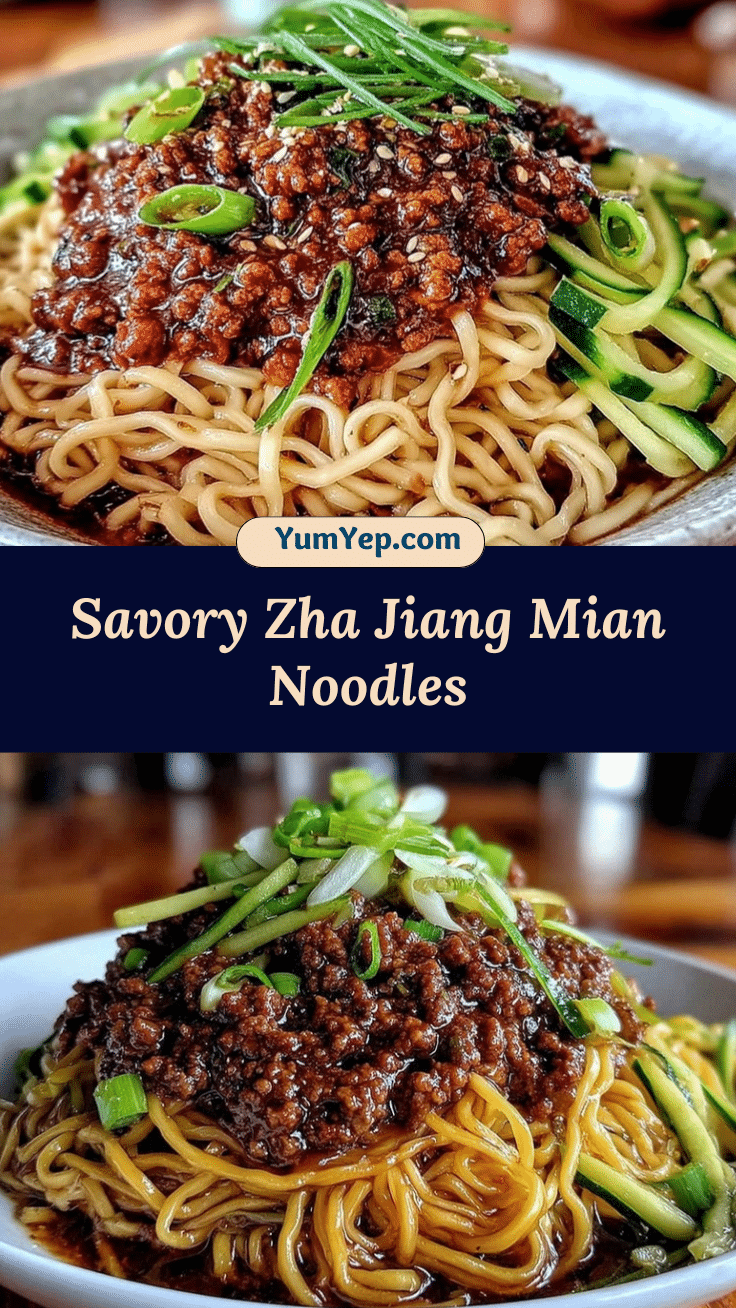
Savory Zha Jiang Mian Noodles Recipe with Authentic Soybean Meat Sauce Made Easy

A hearty and authentic noodle dish featuring chewy wheat noodles topped with a rich, umami-packed soybean meat sauce simmered to perfection. Perfect for quick weeknight dinners or impressing guests with bold flavors.
- Prep Time: 15 minutes
- Cook Time: 20 minutes
- Total Time: 35 minutes
- Yield: 4 servings 1x
- Category: Main Course
- Cuisine: Chinese
Ingredients
- 1 cup (120g) textured vegetable protein (soybean meat), rehydrated
- 2 tablespoons (30g) yellow soybean paste (huang dou jiang) or miso paste
- 1 tablespoon (15g) fermented soybean paste (doubanjiang), mild version recommended
- 1 tablespoon light soy sauce
- 1 tablespoon dark soy sauce
- 1 tablespoon Shaoxing wine or dry sherry
- 1 teaspoon brown sugar or rock sugar
- 3 cloves garlic, minced
- 1 tablespoon ginger, minced
- 2 tablespoons (30ml) vegetable oil (canola or peanut oil)
- 8 ounces (225g) fresh or dried wheat noodles (fresh hand-pulled or thick egg noodles recommended)
- ½ cucumber, julienned
- Handful of bean sprouts (optional)
- Sesame oil, for drizzling
- Chopped green onions, for garnish
Instructions
- Place 1 cup (120g) of textured vegetable protein in a bowl and cover with hot water. Let soak for about 10 minutes until softened. Drain thoroughly and squeeze out excess water. Set aside.
- Heat 2 tablespoons (30ml) vegetable oil in a medium skillet over medium heat. Add minced garlic and ginger and sauté until fragrant, about 1-2 minutes, being careful not to burn.
- Add the rehydrated soybean meat and stir-fry for 3-4 minutes until it starts to brown and absorb the aromatics.
- Stir in yellow soybean paste, fermented soybean paste, light soy sauce, dark soy sauce, Shaoxing wine, and brown sugar. Mix well to coat the soybean meat evenly.
- Add ½ cup (120ml) water, reduce heat to low, and simmer gently for 10-15 minutes, stirring occasionally until the sauce thickens and becomes aromatic. Adjust saltiness or sweetness as needed.
- Bring a large pot of water to a rolling boil. Add noodles and cook according to package instructions (3-5 minutes for fresh, 7-9 minutes for dried) until al dente.
- Drain noodles in a colander and rinse briefly under cold water to stop cooking and remove surface starch. Toss with a small drizzle of sesame oil to prevent sticking.
- Julienne half a cucumber and rinse bean sprouts if using.
- Divide noodles into bowls, ladle generous amounts of soybean meat sauce on top, and garnish with cucumber sticks, bean sprouts, chopped green onions, and an extra drizzle of sesame oil if desired.
Notes
If sauce is too thick, add a splash of water. If too salty, add a pinch of sugar. Stir sauce occasionally to prevent burning. Rinse noodles after cooking to stop cooking and remove starch. Use fresh garlic and ginger for best flavor. Sauce tastes better after sitting overnight. For gluten-free, use rice noodles and check soybean paste labels. Ground meat can replace soybean meat if desired.
Nutrition
- Serving Size: 1 bowl (approximatel
- Calories: 400
- Fat: 8
- Carbohydrates: 50
- Protein: 15
Keywords: Zha Jiang Mian, soybean meat sauce, Chinese noodles, vegetarian noodles, vegan recipe, fermented soybean paste, quick Asian dinner, umami noodles