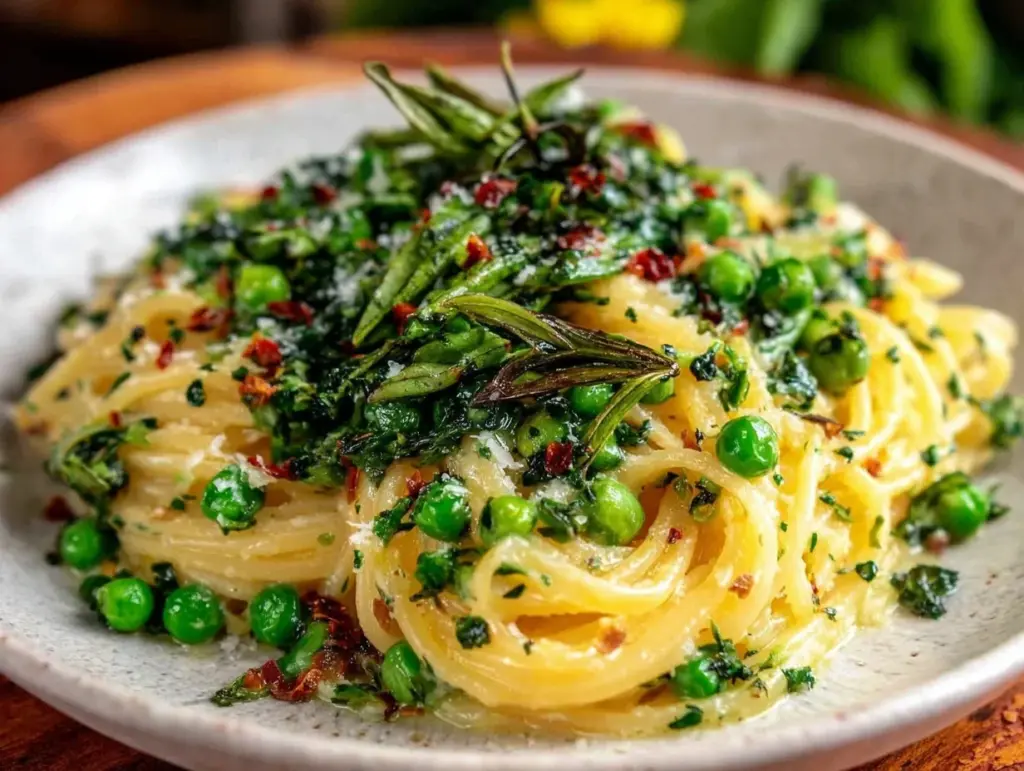
I still remember that early spring afternoon when I first stumbled upon this fresh herb and pea pasta recipe. The kitchen was filled with the gentle hum of the blender, and the air smelled like a garden after a light rain—fresh, green, and just a little bit hopeful. Honestly, I wasn’t planning to make anything fancy; it was one of those “what’s left in the fridge?” moments. But then, a handful of peas and a few sprigs of herbs caught my eye, and I thought, why not? What started as a simple lunch idea turned into a dish that felt like sunshine on a plate.
It wasn’t just the bright, wholesome flavors that won me over but the ease of pulling it all together. You know how sometimes you expect a meal to be just okay, but it surprises you? That’s what happened here. The peas brought a vibrant sweetness, the fresh herbs added a lively punch, and the pasta soaked it all up in the best way. It quickly became my go-to for those busy days when I wanted something nourishing without fuss.
There’s this quiet satisfaction in a meal that feels both light and filling, simple but layered with flavor. That afternoon, as I twirled the pasta and savored each bite, I realized this fresh herb and pea pasta recipe wasn’t just a quick fix—it was a little ritual of freshness and comfort that I’ve come back to over and over. It’s the kind of dish that makes you pause, even for a moment, and appreciate the small, good things. And that’s why it’s stuck with me.
Why You’ll Love This Recipe
- Quick & Easy: Ready in just about 20 minutes, so it’s perfect for those hectic weeknights or spontaneous lunch breaks.
- Simple Ingredients: Uses pantry staples and fresh garden finds—you probably already have most of what you need.
- Perfect for Spring & Summer: The bright, fresh herbs and peas make this ideal for warm-weather meals or when you crave something light and vibrant.
- Crowd-Pleaser: Kids and adults alike tend to rave about the fresh, sweet pea notes paired with the herbaceous kick.
- Unbelievably Delicious: The creamy texture from a touch of olive oil or light cheese blends beautifully with the lively flavors, making every bite satisfying.
What sets this fresh herb and pea pasta apart? It’s all in the balance—no heavy cream or complicated sauces, just pure ingredients doing their best work. The peas get lightly mashed to create a natural, silky sauce, while herbs like basil and mint add layers of brightness. I’ve tried versions with every herb under the sun, but sticking to a few fresh ones keeps this dish clean and refreshing.
This recipe isn’t just about a quick meal; it’s about bringing a little garden freshness indoors. It’s the kind of dish that makes you close your eyes and savor the moment—simple, wholesome, and honest food that feels just right.
What Ingredients You Will Need
This recipe uses simple, wholesome ingredients to deliver bold flavor and satisfying texture without the fuss. Most are pantry staples or fresh herbs you can find at a farmer’s market or grow yourself.
- Pasta: 12 ounces (340 grams) of your favorite pasta shape, like linguine, fettuccine, or penne (I prefer Barilla for its consistent texture).
- Fresh or Frozen Peas: 1 ½ cups (about 225 grams), thawed if frozen (fresh peas if you can get them—totally worth the extra effort).
- Fresh Herbs:
- 1 cup chopped basil leaves
- ½ cup chopped fresh mint leaves
- 2 tablespoons chopped flat-leaf parsley
- Garlic: 2 cloves, minced (adds a gentle background warmth without overpowering).
- Olive Oil: ⅓ cup (80 ml) extra-virgin olive oil (a good-quality brand like Colavita makes a difference here).
- Lemon Juice: From 1 medium lemon (adds bright acidity to balance the sweetness of peas).
- Parmesan Cheese: ½ cup (50 grams) freshly grated, plus extra for serving (optional but highly recommended).
- Salt and Pepper: To taste (sea salt and freshly cracked black pepper bring out all the flavors).
- Red Pepper Flakes: A pinch (optional, for a slight kick).
For substitutions, you can swap the Parmesan for a dairy-free alternative or nutritional yeast if you want to keep it vegan. If fresh herbs aren’t available, frozen herbs can work in a pinch, though the flavor won’t be quite as vibrant. I’ve also tried adding a handful of baby spinach for an extra green boost—it’s a nice twist without changing the recipe too much.
Equipment Needed
- Large pot for boiling pasta
- Colander to drain pasta
- Blender or food processor (to puree the peas and herbs into a sauce)
- Sharp knife and cutting board for chopping herbs and garlic
- Large mixing bowl or skillet to toss pasta with sauce
- Wooden spoon or tongs for mixing
If you don’t have a blender, a potato masher and whisk work well to mash the peas and combine the ingredients, though the texture won’t be as silky. A microplane grater is handy for zesting lemon or finely grating Parmesan, but a box grater will do just fine. I use a basic immersion blender sometimes when I don’t want to dirty the full blender, and it gets the job done with minimal cleanup.
Preparation Method
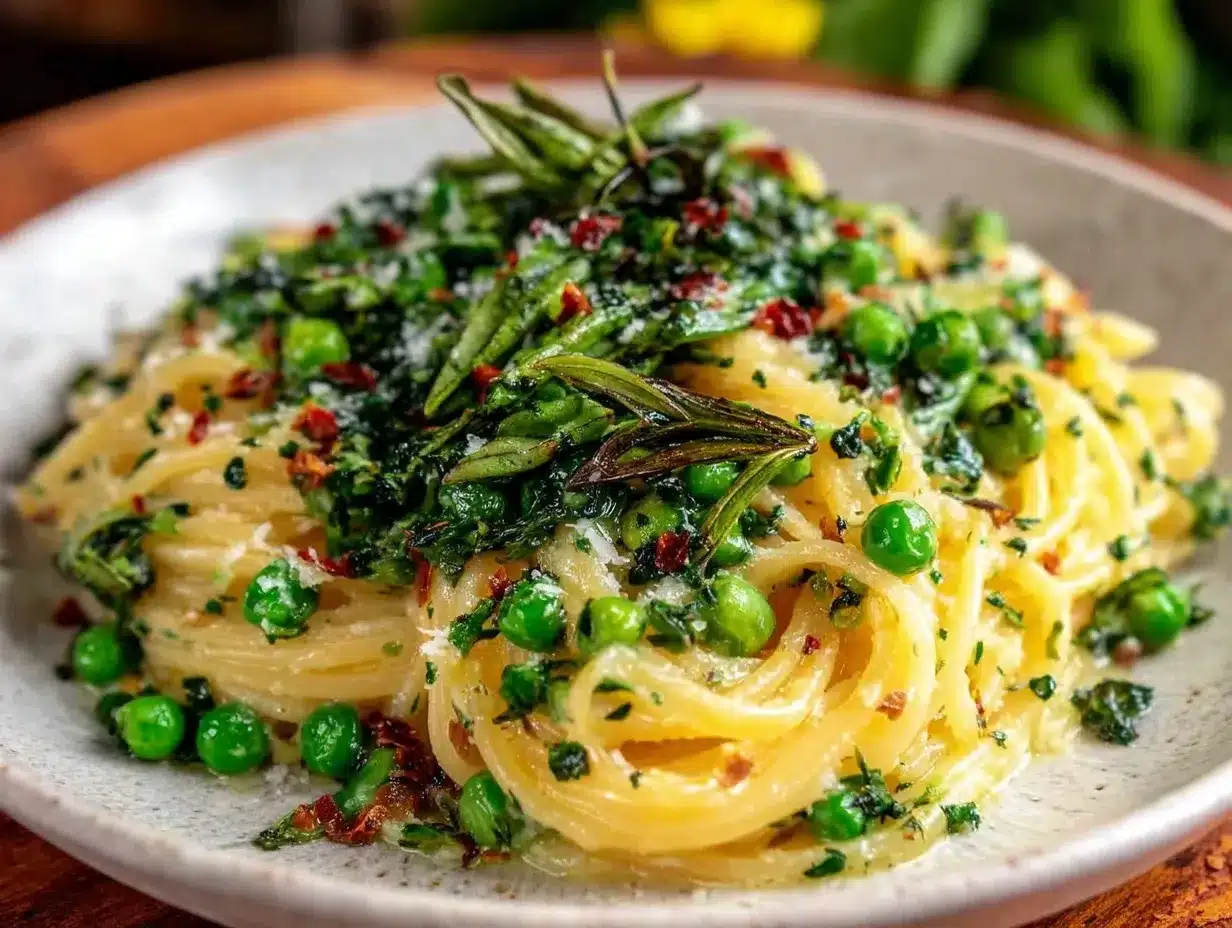
- Cook the Pasta: Bring a large pot of salted water to a boil. Add 12 ounces (340 grams) of pasta and cook according to package instructions until al dente (usually 8–10 minutes). Reserve about 1 cup (240 ml) of pasta water before draining. This starchy water will help loosen the sauce later.
- Prepare the Pea Sauce: While the pasta cooks, place 1 ½ cups (225 grams) of fresh or thawed peas into a blender or food processor. Add 1 cup chopped basil, ½ cup chopped mint, 2 tablespoons parsley, 2 minced garlic cloves, ⅓ cup (80 ml) olive oil, and the juice of 1 lemon. Blend until smooth but still slightly textured—think creamy and fresh, not soupy.
- Season the Sauce: Taste the pea-herb blend and season with salt, freshly cracked pepper, and a pinch of red pepper flakes if you like a little heat. Blend briefly again to mix.
- Toss Pasta and Sauce: Transfer the drained pasta back into the pot or a large bowl. Pour the pea sauce over the pasta and mix well, adding reserved pasta water a few tablespoons at a time until sauce coats the noodles evenly and has a luscious texture. The pasta water helps the sauce cling beautifully.
- Add Cheese: Stir in ½ cup (50 grams) freshly grated Parmesan cheese while the pasta is still warm, allowing it to melt slightly and add richness. Adjust seasoning again, adding more salt or lemon juice if needed.
- Serve: Plate the pasta, sprinkle extra Parmesan on top, and finish with a few whole basil leaves or pea shoots if you have them. A drizzle of olive oil over the top adds a glossy touch.
Pro Tip: If the sauce feels too thick, don’t hesitate to add a splash more pasta water. The texture should be creamy and cling to the noodles without being heavy or clumpy. Also, blending the herbs with the peas while they’re still cool keeps the flavors fresh and vibrant, so avoid heating the herbs directly to preserve their brightness.
Cooking Tips & Techniques
One thing I learned with this fresh herb and pea pasta is to never overcook the peas. Overdone peas lose their sweetness and turn mushy, which dulls the overall flavor. Blanching fresh peas briefly or using thawed frozen peas keeps that bright pop.
When blending, pulse a few times rather than going full puree immediately. This keeps little bits of herb and pea for texture, making the sauce feel more homemade and less like a smooth paste.
Using reserved pasta water is a classic trick that really makes a difference—those starches help the sauce stick and create a silky coating on each noodle. It also lets you loosen the sauce naturally without adding oil or cream.
Don’t skip fresh lemon juice. It’s the kick that balances the natural sweetness of peas and rounds out the olive oil’s richness. Adding it at the end ensures that fresh, zesty brightness.
Finally, when adding cheese, make sure the pasta isn’t too hot to avoid clumping. Stir gently to melt the cheese slowly, giving you that smooth, velvety finish. Trust me, the texture here is everything.
Variations & Adaptations
- Vegan Version: Omit Parmesan and swap olive oil with a bit of vegan butter or nutritional yeast for a cheesy flavor without dairy.
- Seasonal Twist: In late summer, try replacing peas with fresh shelled edamame or lightly steamed green beans for a different but equally fresh vibe.
- Protein Addition: Add grilled chicken, sautéed shrimp, or crispy tofu cubes to make the dish more filling while keeping the fresh flavors front and center.
- Gluten-Free: Use your favorite gluten-free pasta (brown rice or chickpea pasta works well) without changing anything else.
- Herb Swap: If mint isn’t your thing, try tarragon or chives instead for a different herbal note. I once tried dill, which gave it a lovely, slightly tangy twist.
Serving & Storage Suggestions
This fresh herb and pea pasta is best served immediately while the herbs are vibrant and the sauce is creamy. It tastes wonderful warm or at room temperature, making it a nice option for picnic lunches or casual dinners.
Pair it with a crisp white wine like Sauvignon Blanc or a chilled sparkling water with lemon for a refreshing combo. A simple side salad with mixed greens and a light vinaigrette complements the dish’s brightness beautifully.
To store leftovers, place pasta in an airtight container and refrigerate for up to 2 days. The sauce might thicken or dry out slightly; loosen it by stirring in a splash of olive oil or a bit of warm water when reheating. Microwave gently or warm in a skillet over low heat.
Flavors meld nicely after sitting for a few hours, so leftovers sometimes taste even better the next day, especially if you let the pasta come to room temperature before eating.
Nutritional Information & Benefits
This fresh herb and pea pasta is a light but nourishing dish, packed with vitamins and fiber. Peas provide a good dose of plant-based protein and vitamin C, while fresh herbs deliver antioxidants and a fresh burst of flavor with very few calories.
Olive oil adds heart-healthy monounsaturated fats, and the lemon juice offers vitamin C and aids digestion. Using whole grain or legume-based pasta can add extra fiber and nutrients for a more balanced meal.
This recipe is naturally gluten-free if you choose the right pasta, dairy-free when skipping the Parmesan, and low in added sugars or artificial ingredients. It’s a wholesome, feel-good dish that fits into many dietary preferences without sacrificing taste.
Conclusion
Fresh herb and pea pasta is one of those dishes that feels like a gentle reminder of spring’s bounty, even on the busiest days. It’s simple, quick, and honest, filling your kitchen with bright aromas and your plate with satisfying flavors. I love how easily it comes together but also the way it invites little tweaks and personal touches.
Whether you’re new to cooking with fresh herbs or a seasoned home chef, this recipe offers a refreshing, wholesome meal that’s both comforting and lively. I hope it becomes a quiet favorite for you, too—something you turn to when you want a little fresh inspiration without fuss.
Give it a try, and if you find your own spin or secret tweak, I’d love to hear about it. Cooking is best when shared, after all.
FAQs
Can I use frozen peas for this recipe?
Absolutely! Just thaw them first and rinse with cool water to keep their bright color and sweetness. Fresh peas are ideal, but frozen work really well when fresh aren’t available.
What herbs can I substitute if I don’t have basil or mint?
You can try parsley alone or add tarragon, chives, or even dill. Each herb will change the flavor slightly, but the dish will still be fresh and delicious.
Is this recipe suitable for a vegan diet?
Yes, simply omit the Parmesan cheese and consider adding nutritional yeast or extra olive oil to keep the sauce rich and flavorful.
How do I store leftover fresh herb and pea pasta?
Store leftovers in an airtight container in the fridge for up to 2 days. Reheat gently with a splash of olive oil or water to restore creaminess.
Can I prepare the pea sauce ahead of time?
Yes, you can make the pea-herb sauce a few hours ahead and keep it covered in the fridge. Bring it back to room temperature and stir before tossing with freshly cooked pasta.
Pin This Recipe!
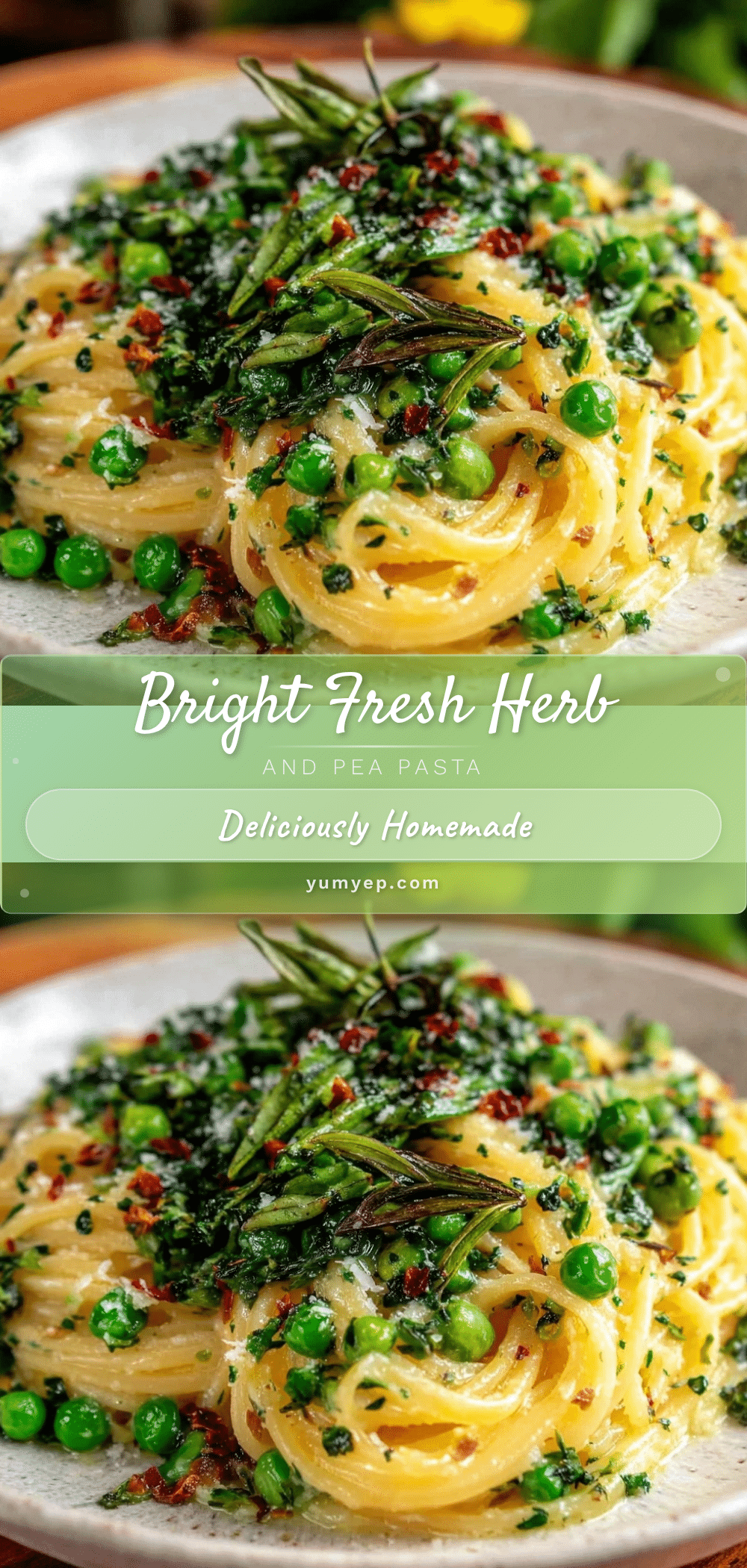
Fresh Herb and Pea Pasta
A quick and easy homemade pasta dish featuring a creamy pea and fresh herb sauce, perfect for spring and summer meals with bright, wholesome flavors.
- Prep Time: 10 minutes
- Cook Time: 10 minutes
- Total Time: 20 minutes
- Yield: 4 servings 1x
- Category: Main Course
- Cuisine: Italian
Ingredients
- 12 ounces (340 grams) pasta (linguine, fettuccine, or penne)
- 1 ½ cups (about 225 grams) fresh or frozen peas, thawed if frozen
- 1 cup chopped fresh basil leaves
- ½ cup chopped fresh mint leaves
- 2 tablespoons chopped flat-leaf parsley
- 2 cloves garlic, minced
- ⅓ cup (80 ml) extra-virgin olive oil
- Juice of 1 medium lemon
- ½ cup (50 grams) freshly grated Parmesan cheese, plus extra for serving (optional)
- Salt and freshly cracked black pepper, to taste
- Pinch of red pepper flakes (optional)
Instructions
- Bring a large pot of salted water to a boil. Add 12 ounces (340 grams) of pasta and cook according to package instructions until al dente (usually 8–10 minutes). Reserve about 1 cup (240 ml) of pasta water before draining.
- While the pasta cooks, place 1 ½ cups (225 grams) of fresh or thawed peas into a blender or food processor. Add 1 cup chopped basil, ½ cup chopped mint, 2 tablespoons parsley, 2 minced garlic cloves, ⅓ cup (80 ml) olive oil, and the juice of 1 lemon. Blend until smooth but still slightly textured.
- Taste the pea-herb blend and season with salt, freshly cracked pepper, and a pinch of red pepper flakes if desired. Blend briefly again to mix.
- Transfer the drained pasta back into the pot or a large bowl. Pour the pea sauce over the pasta and mix well, adding reserved pasta water a few tablespoons at a time until the sauce coats the noodles evenly and has a luscious texture.
- Stir in ½ cup (50 grams) freshly grated Parmesan cheese while the pasta is still warm, allowing it to melt slightly. Adjust seasoning with more salt or lemon juice if needed.
- Plate the pasta, sprinkle extra Parmesan on top, and finish with a few whole basil leaves or pea shoots if available. Drizzle with olive oil before serving.
Notes
If you don’t have a blender, use a potato masher and whisk to mash peas and combine ingredients, though texture will be less silky. Use reserved pasta water to loosen sauce as needed. Avoid overcooking peas to maintain sweetness and texture. Add lemon juice at the end to preserve brightness. For vegan version, omit Parmesan and use nutritional yeast or vegan butter.
Nutrition
- Serving Size: 1 serving (about 1 c
- Calories: 420
- Sugar: 6
- Sodium: 320
- Fat: 22
- Saturated Fat: 3
- Carbohydrates: 42
- Fiber: 7
- Protein: 14
Keywords: fresh herb pasta, pea pasta, easy pasta recipe, spring pasta, summer pasta, quick pasta dish, vegetarian pasta, healthy pasta