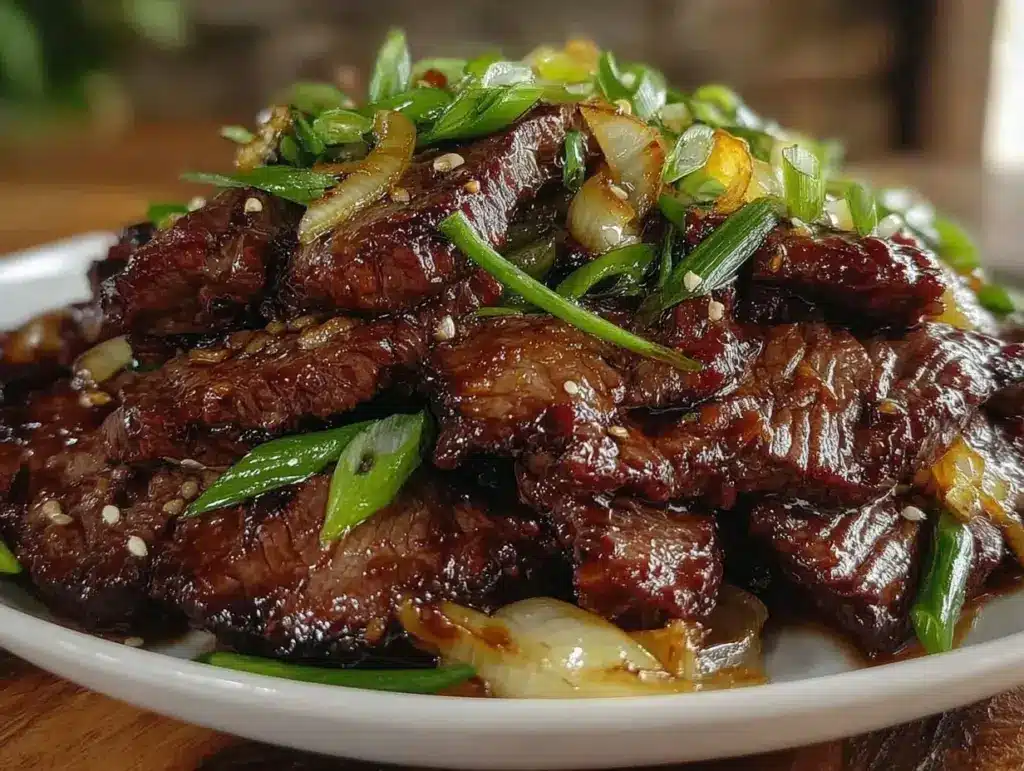
There was this one evening when I was rummaging through the fridge, trying to pull together dinner without much prep or fuss. Honestly, I wasn’t expecting much—just some quick comfort to shake off a long day. Then, I found a forgotten package of thinly sliced beef and a couple of onions. Somewhere between slicing and sautéing, the smell hit me: sweet, rich caramelized onions mingling with that unmistakable savory Korean beef aroma. It reminded me of a time years ago when a coworker casually mentioned how bulgogi changed her weeknight routine. I was skeptical at first—how could such a simple dish feel special? But that night, as the flavors came together, I got it. The sweet caramelized onions softened the boldness of the beef marinade perfectly, turning a quick meal into something I actually wanted to savor.
I’ve since made this Savory Korean Beef Bulgogi with Sweet Caramelized Onions more times than I can count, tweaking it a bit here and there. It’s become my secret weapon for dinners that feel like a treat but don’t demand hours in the kitchen. The balance of sweet and savory is just right, and that tender beef? Honestly, it melts in your mouth. No fancy ingredients, no complicated steps—just reliable, delicious food you can whip up any night. And that’s why this recipe stuck with me.
Why You’ll Love This Recipe
- Quick & Easy: Ready in under 30 minutes, it’s perfect for busy weeknights when you want something flavorful without the hassle.
- Simple Ingredients: Uses pantry staples and fresh produce you probably already have—no exotic shopping trips required.
- Perfect for Any Occasion: Whether it’s casual family dinner or an unplanned get-together, bulgogi fits right in.
- Crowd-Pleaser: Kids, adults, picky eaters—everyone tends to ask for seconds.
- Unbelievably Delicious: The sweet caramelized onions add a layer of depth that takes the savory beef to another level.
- Unique Technique: Unlike many bulgogi recipes, this one caramelizes onions slowly to bring out natural sweetness before mixing with marinated beef, creating a perfect harmony of flavors.
- Comfort Food Reimagined: It’s hearty and satisfying but feels a bit special—like you made an effort without really trying.
What Ingredients You Will Need
This recipe uses simple, wholesome ingredients to deliver bold flavor and that classic bulgogi texture without any fuss. Most are easy to find, and substitutions are straightforward.
- For the Beef Bulgogi Marinade:
- 1 lb (450g) thinly sliced beef ribeye or sirloin (look for well-marbled meat for tenderness)
- 3 tablespoons soy sauce (I prefer Kikkoman for a balanced saltiness)
- 2 tablespoons brown sugar (adds caramel notes)
- 1 tablespoon sesame oil (toasty flavor)
- 3 cloves garlic, minced (fresh is best for punch)
- 1 teaspoon freshly grated ginger (brightens the marinade)
- 1 tablespoon rice wine or mirin (optional, but adds subtle sweetness)
- 1/4 teaspoon black pepper
- 1/2 teaspoon red pepper flakes (optional for a gentle kick)
- For the Sweet Caramelized Onions:
- 2 large yellow onions, thinly sliced (the star for that natural sweetness)
- 2 tablespoons unsalted butter or neutral oil (butter adds richness)
- Pinch of salt (helps draw out moisture)
- 1 teaspoon sugar (optional, to boost caramelization)
- To Serve:
- Steamed white rice or sticky rice
- Chopped green onions (for freshness)
- Sesame seeds (toasted, for garnish)
- Kimchi or pickled vegetables (optional side)
Pro tip: If you want a gluten-free version, swap soy sauce for tamari. And if you’re avoiding sugar, a drizzle of honey can work just fine in the marinade.
Equipment Needed
- A large mixing bowl to marinate the beef evenly
- A sharp chef’s knife for slicing onions and beef (or ask your butcher to slice thin)
- Heavy skillet or cast iron pan (great for even heat and caramelizing onions properly)
- Wooden spoon or spatula for stirring
- Measuring spoons and cups for accuracy
- Optional: grill pan if you prefer a slight char on your bulgogi (works well if you want a smoky edge)
I usually stick with my trusty cast iron skillet here—it holds heat well and helps get those onions beautifully caramelized without burning. If you don’t have one, a heavy-bottomed non-stick pan can do the trick. Just keep an eye on the onions and stir often. Also, a mandoline slicer can speed up slicing onions thinly, but a steady hand and sharp knife work just fine!
Preparation Method
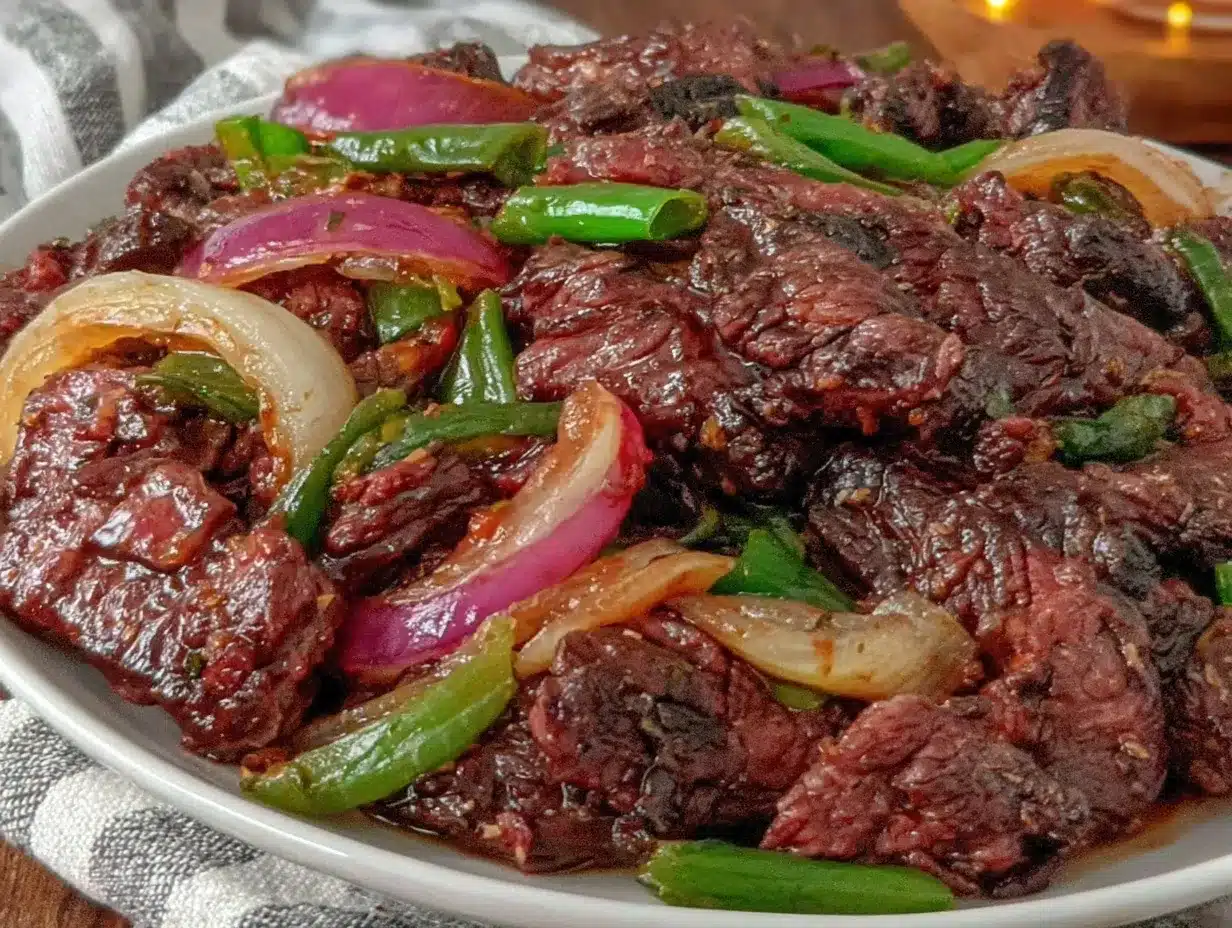
- Prepare the Onions: Thinly slice the yellow onions. Heat 2 tablespoons of butter or oil in a large skillet over medium-low heat. Add the sliced onions and a pinch of salt. Cook slowly, stirring occasionally, for about 20-25 minutes until the onions turn golden brown and sweetly caramelized. If you want, sprinkle 1 teaspoon of sugar halfway through to speed up caramelization—but watch closely to avoid burning. Once done, remove from heat and set aside.
- Marinate the Beef: While onions cook, combine soy sauce, brown sugar, sesame oil, minced garlic, grated ginger, rice wine (if using), black pepper, and red pepper flakes in a bowl. Stir until sugar dissolves. Add the thinly sliced beef and toss well to coat all pieces evenly. Cover and let it marinate for at least 15 minutes, ideally 30 for more flavor.
- Cook the Beef: Heat a clean skillet or grill pan over medium-high heat. Add the marinated beef in a single layer (you may need to do batches to avoid overcrowding). Cook for 2-3 minutes on each side until the beef is browned and cooked through but still tender. Avoid overcooking to keep it juicy.
- Combine and Finish: Return the caramelized onions to the pan with the cooked beef. Gently toss to mix and warm everything together for 1-2 minutes.
- Serve: Spoon the savory beef and onions over warm steamed rice. Garnish with chopped green onions and toasted sesame seeds. Add kimchi or your favorite pickled veggies on the side for balance.
Tip: If you want to prep ahead, marinate the beef in the morning and store it in the fridge. Caramelize onions the night before and reheat gently with the beef before serving.
Cooking Tips & Techniques
When making bulgogi, the key is balancing flavors and textures. Slow caramelizing the onions is crucial—they need time to soften and develop that deep sweetness without burning. Keep the heat moderate and stir often to prevent sticking.
For the beef, thin slicing is essential. If your butcher can slice it for you, that’s perfect. Otherwise, freezing the beef slightly before slicing helps get thin, even cuts. Marinating for at least 15 minutes lets flavors soak in, but longer (up to a few hours) is even better if you have the time.
Be careful not to overcrowd the pan when cooking beef. Overcrowding traps moisture and can make the meat steam rather than sear, losing that lovely caramelized edge. Cook in batches if needed.
I once rushed the onion step and cranked the heat—big mistake. The onions browned too quickly and got bitter. Patience here really pays off.
Timing-wise, start caramelizing onions first, then prep the marinade while they cook. This multitasking saves time and keeps everything flowing smoothly.
Variations & Adaptations
- Spicy Twist: Add more red pepper flakes or a spoonful of Gochujang (Korean chili paste) to the marinade for extra heat.
- Gluten-Free: Use tamari instead of soy sauce and check your rice wine or mirin for gluten content.
- Vegetarian Version: Swap beef for thinly sliced king oyster mushrooms or marinated tofu, and caramelize onions as usual for that sweet-savory base.
- Seasonal Sides: Swap steamed rice for cauliflower rice to keep it low-carb or serve with a fresh cucumber salad in warmer months.
- Personal Favorite: Once, I tossed in some thinly sliced shiitake mushrooms along with the beef for extra umami—it was a game changer.
Serving & Storage Suggestions
Serve your bulgogi hot over freshly steamed rice. The warmth helps bring out the flavors and keeps the beef tender. Garnishes like chopped green onions and toasted sesame seeds add a nice crunch and freshness.
For sides, kimchi or quick pickled cucumbers cut through the richness beautifully. A cold barley tea or light lager pairs well if you want a beverage suggestion.
Leftovers keep well in an airtight container in the fridge for 2-3 days. When reheating, do so gently in a skillet over low heat to avoid drying out the beef. Adding a splash of water or broth helps keep it moist.
Flavors often deepen after a day, so sometimes bulgogi tastes even better the next day—just reheat carefully.
Nutritional Information & Benefits
This bulgogi recipe provides a good balance of protein from the beef and fiber from onions. The caramelized onions add natural sweetness without extra sugars. Using lean cuts keeps fat moderate, while sesame oil contributes heart-healthy fats.
For those watching carbs, serving over cauliflower rice is a good option. Plus, garlic and ginger in the marinade offer immune-boosting properties and digestive support.
Potential allergens include soy and sesame, so be mindful if cooking for sensitive guests. Gluten-free tamari swaps are easy to make.
From a wellness perspective, this dish offers satisfying comfort without heavy cream or processed additives, making it a wholesome choice for a flavorful weeknight meal.
Conclusion
This Savory Korean Beef Bulgogi with Sweet Caramelized Onions isn’t just another recipe in the mix. It’s the kind of dish that makes you pause and appreciate how simple ingredients, treated with care, come together to create something truly comforting. Whether you’re cooking for yourself or a crowd, it’s adaptable, tasty, and reliable.
I love how it feels like a small celebration in every bite without demanding hours in the kitchen. And honestly, the sweet onions paired with the savory beef marinade just hit that perfect note every time.
Give it a try, tweak it your way, and I’d love to hear how you make it your own. There’s something special about sharing food stories, don’t you think? So, drop a comment or share your version—I’m all ears!
FAQs
How thinly should I slice the beef for bulgogi?
Ideally, slices should be about 1/8 inch (3mm) thick. Slightly frozen beef is easier to slice thinly and evenly.
Can I use a different cut of beef?
Yes, sirloin or ribeye work best for tenderness and flavor. Avoid tougher cuts unless you marinate longer or cook differently.
Is it necessary to caramelize the onions separately?
Caramelizing separately helps develop sweetness and texture. You can add onions directly, but they won’t be as soft or sweet.
Can I make bulgogi ahead of time?
Absolutely! Marinate beef up to 24 hours ahead and caramelize onions in advance. Reheat gently before serving.
What can I serve with bulgogi besides rice?
Try lettuce wraps, steamed vegetables, kimchi, or a fresh cucumber salad for variety and balance.
Pin This Recipe!
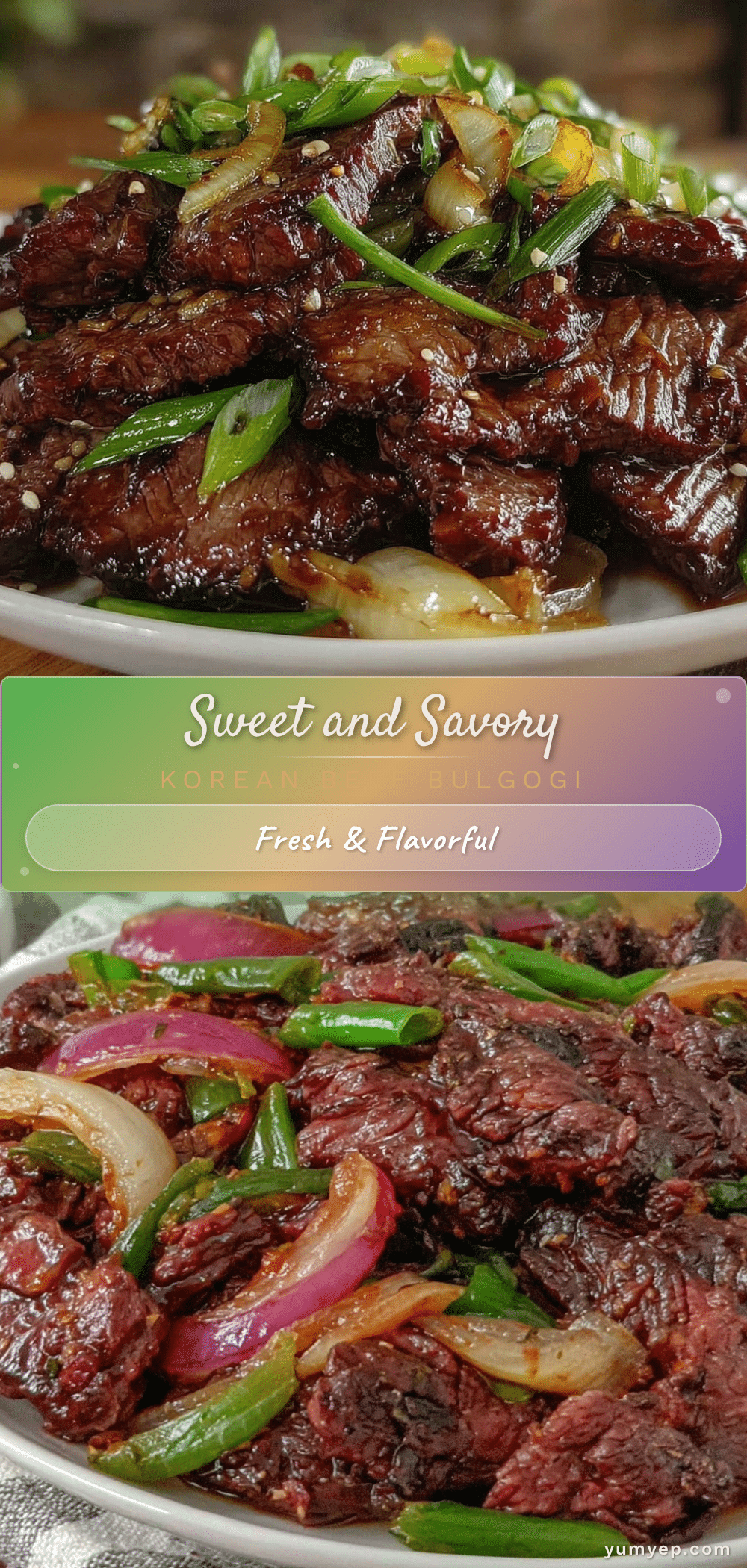
Savory Korean Beef Bulgogi Recipe Easy Homemade with Sweet Caramelized Onions

A quick and easy Korean beef bulgogi recipe featuring tender marinated beef and sweet caramelized onions, perfect for a flavorful weeknight dinner.
- Prep Time: 10 minutes
- Cook Time: 25 minutes
- Total Time: 35 minutes
- Yield: 4 servings 1x
- Category: Main Course
- Cuisine: Korean
Ingredients
- 1 lb (450g) thinly sliced beef ribeye or sirloin
- 3 tablespoons soy sauce
- 2 tablespoons brown sugar
- 1 tablespoon sesame oil
- 3 cloves garlic, minced
- 1 teaspoon freshly grated ginger
- 1 tablespoon rice wine or mirin (optional)
- 1/4 teaspoon black pepper
- 1/2 teaspoon red pepper flakes (optional)
- 2 large yellow onions, thinly sliced
- 2 tablespoons unsalted butter or neutral oil
- Pinch of salt
- 1 teaspoon sugar (optional)
- Steamed white rice or sticky rice (to serve)
- Chopped green onions (for garnish)
- Sesame seeds, toasted (for garnish)
- Kimchi or pickled vegetables (optional side)
Instructions
- Thinly slice the yellow onions. Heat 2 tablespoons of butter or oil in a large skillet over medium-low heat. Add the sliced onions and a pinch of salt. Cook slowly, stirring occasionally, for about 20-25 minutes until the onions turn golden brown and sweetly caramelized. Optionally, sprinkle 1 teaspoon of sugar halfway through to speed up caramelization, watching closely to avoid burning. Remove from heat and set aside.
- While onions cook, combine soy sauce, brown sugar, sesame oil, minced garlic, grated ginger, rice wine (if using), black pepper, and red pepper flakes in a bowl. Stir until sugar dissolves. Add the thinly sliced beef and toss well to coat all pieces evenly. Cover and marinate for at least 15 minutes, ideally 30 minutes for more flavor.
- Heat a clean skillet or grill pan over medium-high heat. Add the marinated beef in a single layer (cook in batches if needed to avoid overcrowding). Cook for 2-3 minutes on each side until browned and cooked through but still tender. Avoid overcooking.
- Return the caramelized onions to the pan with the cooked beef. Gently toss to mix and warm everything together for 1-2 minutes.
- Serve the beef and onions over warm steamed rice. Garnish with chopped green onions and toasted sesame seeds. Add kimchi or pickled vegetables on the side if desired.
Notes
For gluten-free, substitute soy sauce with tamari. To avoid sugar, use honey in the marinade. Do not overcrowd the pan when cooking beef to ensure proper searing. Caramelize onions slowly over medium-low heat to avoid bitterness. Marinate beef at least 15 minutes, up to 24 hours for best flavor. Reheat leftovers gently with a splash of water or broth to keep moist.
Nutrition
- Serving Size: 1 serving (approxima
- Calories: 350
- Sugar: 8
- Sodium: 700
- Fat: 15
- Saturated Fat: 5
- Carbohydrates: 20
- Fiber: 2
- Protein: 30
Keywords: Korean beef bulgogi, caramelized onions, easy bulgogi recipe, weeknight dinner, Korean marinade, savory beef, sweet onions