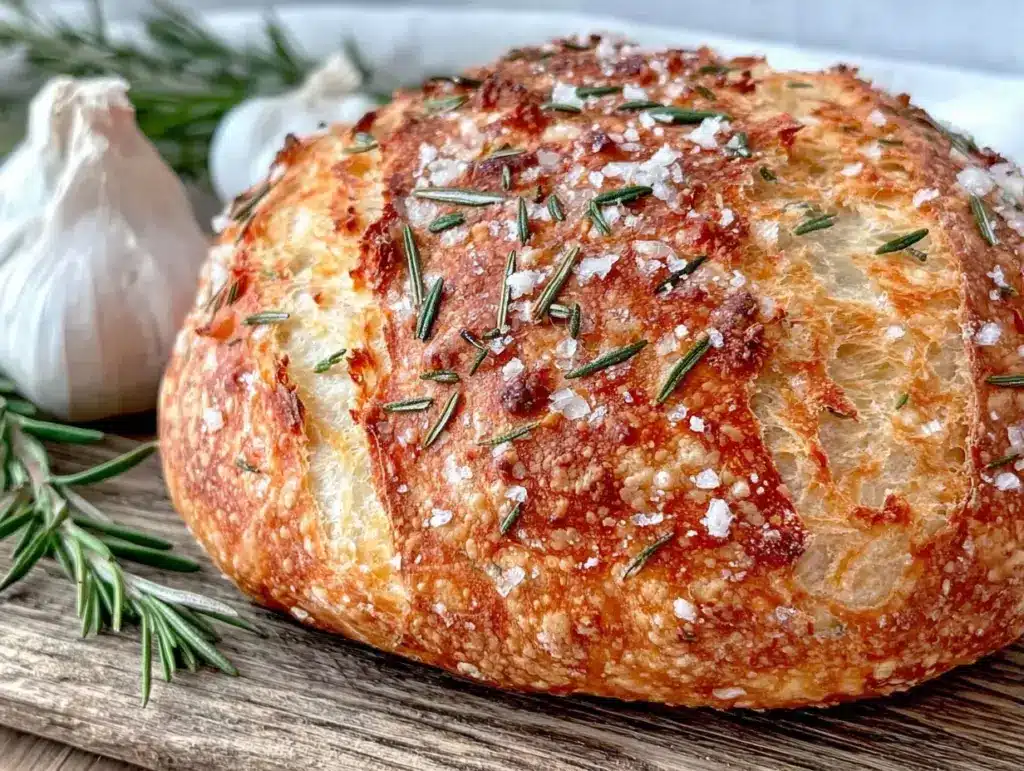
Let me tell you, the scent of fresh garlic and rosemary wafting from my oven is enough to make anyone’s mouth water. The first time I baked this crispy garlic rosemary bread, I was instantly hooked—the kind of moment where you pause, take a deep breath, and just smile because you know you’re onto something truly special. Years ago, when I was knee-high to a grasshopper, my grandma used to bring this loaf to family dinners, and it always stole the show. I never thought I’d replicate it myself until one rainy weekend I decided to try. Honestly, it turned out dangerously easy and delivered pure, nostalgic comfort right in my kitchen.
My family couldn’t stop sneaking slices off the cooling rack (and I can’t really blame them). This crispy garlic rosemary bread has become a staple for our gatherings, gifting, and cozy nights in. You know what? It’s perfect for potlucks or just as a sweet treat to brighten up your Pinterest cookie board of recipes to try. After testing this recipe multiple times in the name of research, of course, I’m confident you’re going to want to bookmark this one.
Why You’ll Love This Recipe
Honestly, this crispy garlic rosemary bread recipe is one of those rare gems that checks all the boxes. Here’s why it stands out:
- Quick & Easy: Comes together in under 3 hours, including rising time, which is perfect for busy weeknights or last-minute cravings.
- Simple Ingredients: No fancy grocery trips needed; you likely already have everything in your kitchen—just good old flour, yeast, garlic, and rosemary.
- Perfect for Any Occasion: Great for cozy dinners, brunch spreads, or as a rustic gift for friends and family.
- Crowd-Pleaser: Always gets rave reviews from kids and adults alike—trust me, the crispy crust and herby garlic flavor are irresistible.
- Unbelievably Delicious: The combo of crunchy crust, soft crumb, and aromatic garlic-rosemary punch is next-level comfort food.
This isn’t just another loaf—it’s the best version because of a few secrets: gently roasting the garlic before mixing it in, which mellows the flavor, and using fresh rosemary picked from my garden (fresh is key here!). The perfectly balanced seasoning means you’ll close your eyes after the first bite, savoring every crumb. It’s comfort food reimagined—rustic, healthier (no preservatives), and full of soul-soothing satisfaction. Whether you want to impress guests without stress or just treat yourself, this recipe’s got your back.
What Ingredients You Will Need
This recipe uses simple, wholesome ingredients to deliver bold flavor and a satisfying texture without the fuss. Most are pantry staples, with a fresh herb punch that makes all the difference.
- For the Bread Dough:
- 3 ½ cups (440g) all-purpose flour, plus extra for dusting (I prefer King Arthur for best texture)
- 1 packet (2 ¼ tsp or 7g) active dry yeast
- 1 ¼ cups (300ml) warm water (about 110°F/43°C)
- 1 tsp granulated sugar (feeds the yeast)
- 2 tsp fine sea salt
- 2 tbsp extra-virgin olive oil (adds richness and helps crust crisp)
- For the Garlic Rosemary Infusion:
- 4 cloves garlic, peeled and finely minced
- 1 ½ tbsp fresh rosemary, chopped finely (dried works but fresh is best!)
- 2 tbsp olive oil (to roast the garlic and infuse flavor)
- For Garnish:
- Coarse sea salt, for sprinkling
- Extra rosemary sprigs (optional)
Ingredient Tips: Look for firm, fresh garlic bulbs and vibrant green rosemary sprigs—these little touches make all the difference in flavor. If you want a gluten-free version, swap the flour with a 1:1 gluten-free baking flour blend. For a dairy-free loaf, this recipe is already perfect since it uses olive oil instead of butter.
Equipment Needed
- Large mixing bowl (preferably glass or stainless steel for easy cleaning)
- Wooden spoon or silicone spatula for mixing dough
- Measuring cups and spoons (accuracy matters in yeast baking!)
- Kitchen scale (optional but great for precise flour measurement)
- Clean kitchen towel or plastic wrap to cover dough during rising
- Baking sheet or cast iron skillet (both work great for rustic crust)
- Parchment paper (for easy cleanup and non-stick baking)
- Sharp serrated knife or bread lame (for scoring the loaf before baking)
- Oven with reliable temperature control
If you don’t have a kitchen scale, measuring cups are fine—just be sure to spoon and level the flour for accuracy. I tested this recipe with both a baking stone and a regular baking sheet; the stone gave a slightly crispier bottom crust, but the sheet works perfectly for everyday baking. For budget-friendly options, a cast iron skillet can double as your baking vessel and a stovetop pan, making it a kitchen workhorse.
Preparation Method
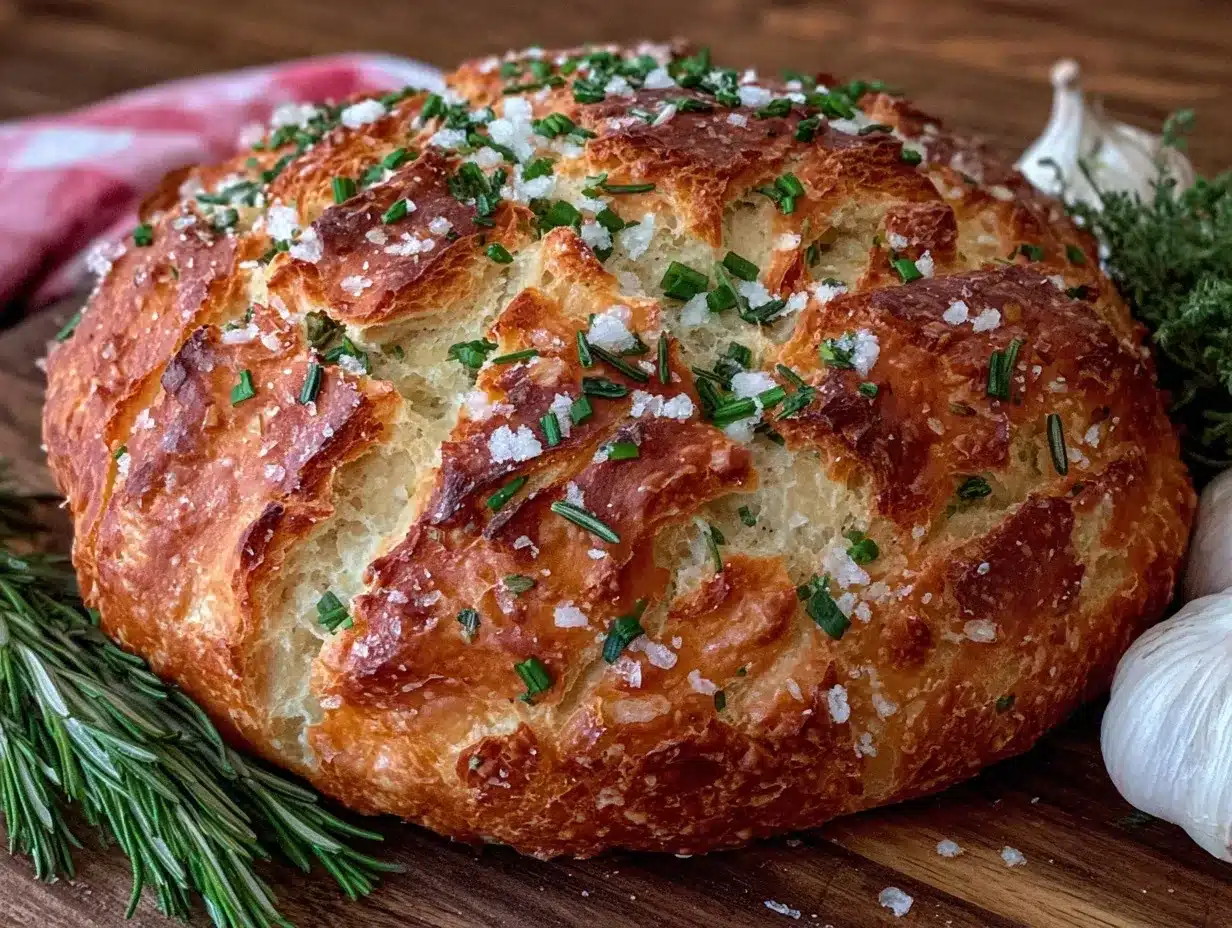
- Activate the Yeast: In a small bowl, combine warm water (1 ¼ cups/300ml, about 110°F/43°C) and sugar (1 tsp). Stir lightly, then sprinkle the yeast (2 ¼ tsp) on top. Let it sit for 5-10 minutes until foamy and bubbly—this means the yeast is alive and kicking.
- Prepare Garlic-Rosemary Oil: While yeast activates, heat 2 tbsp olive oil in a small pan over medium-low heat. Add minced garlic and chopped rosemary. Cook gently for 2-3 minutes until fragrant and slightly golden, but don’t let the garlic brown or burn—it should smell sweet and herbal. Remove from heat and let cool slightly.
- Mix the Dough: In a large bowl, whisk together flour (3 ½ cups/440g) and salt (2 tsp). Pour in the activated yeast mixture and garlic-rosemary oil. Stir with a wooden spoon until the dough starts to come together.
- Knead the Dough: Turn the dough onto a lightly floured surface. Knead for about 8-10 minutes until smooth and elastic. If dough is sticky, sprinkle a little more flour—but don’t overdo it or the bread will get dense.
- First Rise: Lightly oil the mixing bowl, place the dough inside, and cover with a damp towel or plastic wrap. Let it rise in a warm, draft-free spot for about 1 hour, or until doubled in size. (If your kitchen is cold, preheat the oven to 200°F/93°C, turn it off, and place the bowl inside.)
- Shape the Loaf: Once risen, punch down the dough gently to release air bubbles. Shape it into a rustic round loaf by folding edges inward and sealing the bottom with your hands.
- Second Rise: Place the shaped dough on a parchment-lined baking sheet or cast iron skillet. Cover loosely and let it rest for 30-45 minutes, until puffed and slightly risen.
- Preheat Oven: About 20 minutes before baking, preheat oven to 450°F (230°C). Place an empty oven-safe dish on the bottom rack (for steam).
- Score the Loaf: Using a sharp serrated knife, make 2-3 shallow slashes across the top of the loaf. This allows steam to escape and helps the bread expand beautifully.
- Add Steam & Bake: Pour a cup of hot water into the oven-safe dish to create steam, then quickly close the door. Bake the bread for 25-30 minutes, or until the crust is deep golden and crispy. The loaf should sound hollow when tapped on the bottom.
- Cool Completely: Transfer the bread to a wire rack and let it cool at least 1 hour before slicing. This step is key for the crumb to set properly.
Pro Tip: If the crust browns too quickly, tent the loaf loosely with foil during the last 10 minutes. Also, beware of rushing the cooling phase—cutting too soon makes the crumb gummy.
Cooking Tips & Techniques
Making crispy garlic rosemary bread isn’t rocket science, but a few tricks can save you from common pitfalls. For starters, don’t skip activating the yeast properly—it’s your bread’s lifeline. If the yeast isn’t bubbly, your loaf won’t rise well.
I’ve learned that gently roasting the garlic in olive oil before adding it to the dough mellows the harshness and infuses that warm aroma throughout. Letting the dough rise in a warm spot (not too hot!) encourages a light crumb and perfect texture.
Another tip: scoring the loaf right before baking isn’t just decorative. It helps the bread expand without cracking unpredictably. Also, creating steam in your oven is a game changer—it keeps the crust from hardening too soon and results in that signature crispy exterior.
One mistake I made early on was adding too much flour during kneading. The dough should be slightly sticky but manageable. Too dry dough leads to a dense loaf, which nobody wants. Lastly, patience is key—letting the bread cool completely before slicing makes all the difference in crumb texture.
Variations & Adaptations
Want to switch things up? Here are a few tasty variations I’ve tried and loved:
- Herb Mix: Swap rosemary for thyme, oregano, or a mix of Mediterranean herbs for a different aroma.
- Cheesy Twist: Fold in ½ cup (50g) grated Parmesan or shredded mozzarella during the last kneading phase for a melty surprise.
- Whole Wheat Version: Replace half the all-purpose flour with whole wheat flour for a nuttier, heartier loaf.
- Gluten-Free Option: Use a 1:1 gluten-free baking mix in place of regular flour and add a teaspoon of xanthan gum for structure.
- Garlic Butter Finish: Brush the hot loaf with melted garlic butter right out of the oven for extra indulgence.
I once tried adding sun-dried tomatoes and olives for a Mediterranean flair, which was a hit at a summer picnic. If you’re short on fresh rosemary, dried works fine—just reduce the amount by half to avoid overpowering the dough. For a quicker rise, place the dough near a warm stove or proofer box if you have one.
Serving & Storage Suggestions
This crispy garlic rosemary bread is best served warm or at room temperature. The crispy crust and soft interior pair beautifully with olive oil and balsamic vinegar for dipping or alongside hearty soups and stews.
For a simple snack, slice and toast pieces, then spread with butter or your favorite cheese. It’s also fantastic used for sandwiches or bruschetta topped with tomatoes and basil.
Store leftover bread at room temperature in a paper bag or loosely wrapped in a tea towel to keep the crust crisp for up to 2 days. For longer storage, slice and freeze the loaf in an airtight container for up to 3 months. To reheat, toast slices directly from frozen or warm the whole loaf in a 350°F (175°C) oven for about 10 minutes wrapped in foil.
Flavors mellow and deepen after a day, so if you can wait, it tastes even better the next day. Just re-crisp the crust in the oven before serving, and you’re golden.
Nutritional Information & Benefits
Each slice of this rustic garlic rosemary bread (about 1/12th of the loaf) contains approximately:
| Calories | 150 kcal |
|---|---|
| Carbohydrates | 28g |
| Protein | 4g |
| Fat | 3g (mostly from olive oil) |
| Fiber | 1.5g |
Thanks to fresh rosemary, this loaf brings antioxidant benefits and anti-inflammatory properties. Garlic is well-known for supporting immune health and heart benefits. Using olive oil instead of butter adds heart-healthy fats compared to traditional butter-laden breads.
This recipe is naturally dairy-free and can be gluten-free with substitutions, making it a friendly option for many dietary needs. Just be cautious if you have a yeast allergy or intolerance.
Conclusion
In the end, this crispy garlic rosemary bread recipe is a winner for anyone craving a rustic, homemade loaf that’s simple, flavorful, and incredibly satisfying. Whether you’re new to bread baking or a seasoned pro, this recipe invites you to customize and make it your own.
I love how this loaf fills my kitchen with that warm, inviting aroma and brings smiles every time it’s served. Give it a try, share your tweaks, or gift a fresh loaf to someone who could use a little homemade goodness. Please leave your comments below—I’d love to hear how your bread turned out or any adaptations you’ve made!
Happy baking, and remember: the best bread is the one made with a little love and patience.
FAQs
How do I know if my yeast is still good?
If your yeast foams and bubbles after being mixed with warm water and sugar within 10 minutes, it’s still active. If not, it’s time to get a fresh packet.
Can I use dried rosemary instead of fresh?
Yes, you can. Use about half the amount since dried herbs are more concentrated. The flavor will be a bit different but still delicious.
Why is my bread dense and not fluffy?
Common reasons include not kneading enough, using too much flour, or yeast not activating properly. Make sure your water isn’t too hot or cold and give the dough enough time to rise.
Can I make this bread without an oven?
This recipe is best baked in an oven for the crispy crust. However, some people experiment with heavy skillet covers on stovetops, but the texture will differ.
How long can I store this bread?
Store at room temperature for up to 2 days in a paper bag. Freeze slices for up to 3 months, then toast or reheat before serving.
Pin This Recipe!
Crispy Garlic Rosemary Bread
A rustic homemade loaf featuring a crispy crust and aromatic garlic-rosemary flavor, perfect for cozy dinners, brunch, or gifting.
- Prep Time: 20 minutes
- Cook Time: 30 minutes
- Total Time: 2 hours 50 minutes
- Yield: 12 servings 1x
- Category: Bread
- Cuisine: Rustic/European
Ingredients
- 3 ½ cups (440g) all-purpose flour, plus extra for dusting
- 1 packet (2 ¼ tsp or 7g) active dry yeast
- 1 ¼ cups (300ml) warm water (about 110°F/43°C)
- 1 tsp granulated sugar
- 2 tsp fine sea salt
- 2 tbsp extra-virgin olive oil
- 4 cloves garlic, peeled and finely minced
- 1 ½ tbsp fresh rosemary, chopped finely
- 2 tbsp olive oil (for roasting garlic and rosemary)
- Coarse sea salt, for sprinkling
- Extra rosemary sprigs (optional)
Instructions
- Activate the yeast by combining warm water (1 ¼ cups/300ml, about 110°F/43°C) and sugar (1 tsp) in a small bowl. Sprinkle yeast (2 ¼ tsp) on top and let sit for 5-10 minutes until foamy.
- Heat 2 tbsp olive oil in a small pan over medium-low heat. Add minced garlic and chopped rosemary. Cook gently for 2-3 minutes until fragrant and slightly golden. Remove from heat and let cool.
- In a large bowl, whisk together flour (3 ½ cups/440g) and salt (2 tsp). Pour in the activated yeast mixture and garlic-rosemary oil. Stir until dough starts to come together.
- Turn dough onto a lightly floured surface and knead for 8-10 minutes until smooth and elastic. Add flour sparingly if sticky.
- Lightly oil a mixing bowl, place dough inside, cover with a damp towel or plastic wrap, and let rise in a warm spot for about 1 hour or until doubled in size.
- Punch down dough gently to release air bubbles. Shape into a rustic round loaf by folding edges inward and sealing the bottom.
- Place shaped dough on a parchment-lined baking sheet or cast iron skillet. Cover loosely and let rest for 30-45 minutes until puffed.
- Preheat oven to 450°F (230°C) about 20 minutes before baking. Place an empty oven-safe dish on the bottom rack for steam.
- Score the loaf with 2-3 shallow slashes using a sharp serrated knife.
- Pour a cup of hot water into the oven-safe dish to create steam and quickly close the oven door.
- Bake for 25-30 minutes until crust is deep golden and crispy. The loaf should sound hollow when tapped on the bottom.
- Transfer bread to a wire rack and cool completely for at least 1 hour before slicing.
Notes
Gently roast garlic in olive oil to mellow flavor. Use fresh rosemary for best aroma. Create steam in oven for crispy crust. Let bread cool completely before slicing to avoid gummy crumb. Tent with foil if crust browns too quickly.
Nutrition
- Serving Size: 1 slice (1/12th of l
- Calories: 150
- Fat: 3
- Carbohydrates: 28
- Fiber: 1.5
- Protein: 4
Keywords: garlic bread, rosemary bread, homemade bread, rustic bread, crispy crust, easy bread recipe, garlic rosemary loaf