Introduction
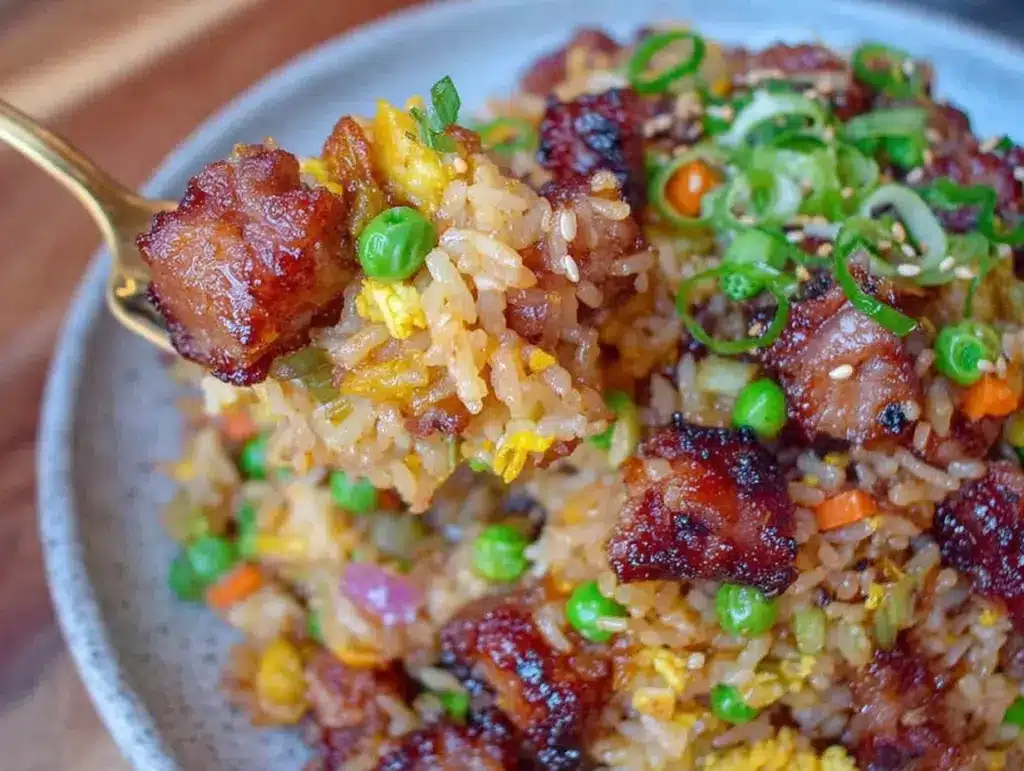
One evening last month, I found myself staring blankly into my fridge after a long, exhausting day. Nothing was really planned, and honestly, I wasn’t in the mood to fuss over dinner. But then, I spotted some leftover pork from the weekend and a bag of frozen mixed vegetables. I thought, “Maybe I’ll just throw it all together and see what happens.” What came out of that simple scramble was this easy savory pork fried rice recipe — a dish that’s now become my go-to rescue meal when time’s tight and energy’s low.
At first, I was skeptical about how well pork and rice would mix with just a few pantry staples. But the combination turned out surprisingly comforting, with a lovely balance of salty, savory, and a touch of sweetness from the veggies. It reminded me of those takeout meals I love but with a homemade twist that felt healthier and way fresher. That night, sitting down with a steaming bowl of this pork fried rice, I realized sometimes the best recipes come from the simplest moments—no fancy prep, no stress, just good food that hits the spot.
Since then, I’ve made this dish multiple times, tweaking it just a bit each time but always sticking to the core flavors that make it so satisfying. This easy savory pork fried rice recipe really stuck with me because it’s quick, flexible, and delivers that kind of cozy, stick-to-your-ribs goodness you want from a weeknight meal.
Why You’ll Love This Recipe
- Quick & Easy: Comes together in about 20 minutes—perfect for busy weeknights or last-minute dinners when you’re short on time.
- Simple Ingredients: Uses basic pantry staples and common kitchen veggies, so you probably already have everything on hand.
- Great for Leftovers: A smart way to use leftover pork or any cooked meat you have lying around.
- Crowd-Pleaser: The savory flavors and tender pork make it a hit with both kids and adults alike.
- Balanced & Flavorful: A perfect mix of protein, veggies, and rice with a savory sauce that’s not overpowering—just right.
- Customizable: You can easily swap veggies or add spices to suit your mood or dietary needs.
This recipe isn’t just another fried rice. The secret is in the pork’s seasoning and how the rice is fried just right to get a hint of crispiness without drying out. Plus, the addition of a little sesame oil and soy sauce gives it a signature umami punch that feels both comforting and exciting. I’ve tested this recipe multiple times for friends and family, and every single time it’s gotten enthusiastic thumbs up. Honestly, it’s the kind of recipe that makes you want to close your eyes and savor each bite.
What Ingredients You Will Need
This recipe uses simple, wholesome ingredients to deliver bold flavor and satisfying texture without the fuss. Most are pantry staples or easy to find fresh or frozen at any grocery store.
- Cooked white rice: 3 cups (about 600g), preferably chilled leftover rice for best texture
- Pork: 8 ounces (225g) pork shoulder or pork loin, thinly sliced or diced (leftover roast pork works great)
- Vegetables: 1 cup mixed vegetables (carrots, peas, corn), fresh or frozen
- Green onions: 3 stalks, thinly sliced (adds fresh brightness)
- Garlic: 2 cloves, minced (for aroma and depth)
- Soy sauce: 2 tablespoons (I recommend Kikkoman for a balanced saltiness)
- Oyster sauce: 1 tablespoon (optional, adds savory richness)
- Sesame oil: 1 teaspoon (for that toasty finish)
- Vegetable oil: 2 tablespoons (for stir-frying)
- Eggs: 2 large, lightly beaten (adds protein and silkiness)
- Salt and pepper: to taste
Ingredient tips: If you want a gluten-free version, use tamari instead of soy sauce. For a low-carb twist, swap rice with cauliflower rice. Frozen mixed veggies are a lifesaver here, but feel free to use fresh seasonal options like diced bell peppers or snap peas. For pork, I find that a bit of fat in the cut keeps the meat juicy during stir-frying.
Equipment Needed
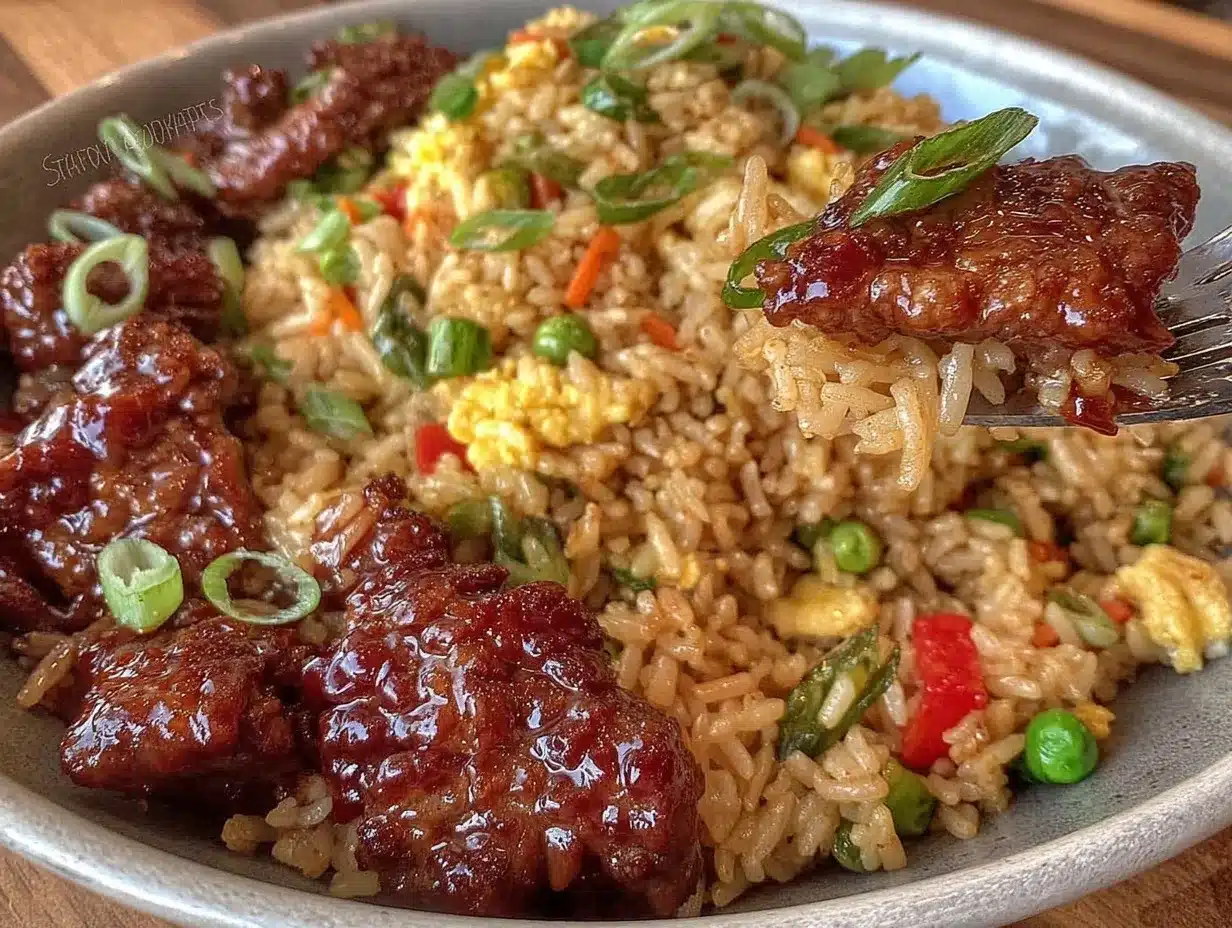
- Large non-stick skillet or wok: A wok is ideal for high-heat stir-frying, but a large skillet works just fine if you don’t have one.
- Spatula or wooden spoon: For stirring and tossing the rice evenly.
- Cutting board and sharp knife: To prep pork and veggies quickly and safely.
- Mixing bowl: For beating eggs separately before adding to the pan.
- Measuring spoons: For precise soy sauce and oil amounts.
If you don’t have a wok, no worries—just make sure your skillet is large enough to move ingredients around freely so the rice doesn’t steam and get mushy. I’ve used a budget-friendly non-stick skillet for years with great results. For wok lovers, a carbon steel wok that’s well-seasoned is a joy, and cleaning it right after use keeps it in prime condition.
Preparation Method
- Prep your ingredients: Dice the pork into small, bite-sized pieces (about ½-inch chunks). Slice green onions thinly, mince garlic, and have your mixed vegetables ready. Break up any clumps in the cold rice with your fingers or a fork so it’s loose.
- Cook the pork: Heat 1 tablespoon of vegetable oil in your skillet or wok over medium-high heat. Add the pork pieces and stir-fry until browned and cooked through, about 4-5 minutes. Transfer pork to a plate and set aside. (Tip: Don’t overcrowd the pan or the pork will steam instead of sear.)
- Scramble the eggs: Add a bit more oil if needed, then pour in the beaten eggs. Let them sit for 10-15 seconds, then gently scramble until just cooked but still soft. Remove eggs from pan and set aside with pork.
- Cook the veggies and garlic: Add remaining oil to the pan and toss in the minced garlic and mixed vegetables. Stir-fry for about 2-3 minutes until veggies are tender but still vibrant.
- Add the rice: Increase heat to high. Add the cold rice to the pan and stir-fry, pressing down occasionally, for 4-5 minutes. You want the rice to warm through and get a little crisp in spots.
- Combine everything: Return pork and scrambled eggs to the pan. Stir well to mix all ingredients evenly.
- Season: Pour in the soy sauce and oyster sauce. Stir continuously for 1-2 minutes so the rice evenly absorbs the sauce. Drizzle sesame oil over the top and toss once more.
- Finish with green onions: Stir in the sliced green onions and give the dish one last toss. Taste and adjust salt or pepper if needed.
- Serve immediately: Scoop into bowls while hot and enjoy!
Pro tip: Using cold, day-old rice is key to prevent mushiness. If you’re in a pinch, spread freshly cooked rice on a baking sheet and chill for 15 minutes before frying. Also, high heat helps get that slightly toasted texture that makes fried rice so irresistible.
Cooking Tips & Techniques
Getting fried rice just right is a bit of an art, but here are some tricks I’ve picked up along the way:
- Use chilled rice: Freshly cooked rice holds too much moisture and can clump or turn mushy. Leftover rice dries out slightly, making it perfect for frying.
- Don’t overcrowd your pan: Give ingredients room to fry rather than steam. You can cook in batches if needed.
- High heat is your friend: It helps develop flavor and gives the rice a pleasant slight crisp without drying it out.
- Prep everything first: Once you start cooking, it moves fast. Have all ingredients chopped and measured before heating the pan.
- Season gradually: Add soy sauce and oyster sauce near the end to prevent the rice from getting soggy.
- Experiment with oils: A bit of sesame oil added at the end gives that signature nutty aroma without burning.
One funny lesson I learned was when I tried stirring too aggressively while frying eggs—they broke up into tiny bits instead of forming soft curds. Now I let them sit a moment before gently folding them in, which gives the dish a nice creamy texture.
Variations & Adaptations
- Vegetarian version: Swap pork for firm tofu or tempeh, and use mushroom-based stir-fry sauce instead of oyster sauce.
- Spicy kick: Add a teaspoon of chili garlic sauce or sprinkle in some crushed red pepper flakes when seasoning.
- Seasonal veggies: Use fresh peas and diced bell peppers in spring or summer, or add shredded cabbage and carrots in fall for extra crunch.
- Low-carb option: Replace rice with riced cauliflower and reduce cooking time to keep veggies crisp.
- Personal twist: I’ve tried adding a splash of hoisin sauce for a touch of sweetness, which my family loved for a slightly different flavor profile.
You can also adapt cooking methods by baking the rice in a casserole dish after stir-frying for a baked fried rice twist. Just cover with foil and bake at 350°F (175°C) for 15 minutes until heated through.
Serving & Storage Suggestions
This pork fried rice is best served hot, right off the stove. It pairs beautifully with a simple cucumber salad or steamed bok choy to add some freshness alongside the savory richness. For drinks, a cold jasmine tea or light lager balances the flavors nicely.
To store, place leftovers in an airtight container and refrigerate for up to 3 days. When reheating, sprinkle a little water over the rice and cover loosely to retain moisture—microwaving or quick stir-fry works well.
Freezing is possible too; just portion into freezer-safe bags and thaw overnight in the fridge before reheating. Keep in mind, texture may soften slightly after freezing but flavor remains solid.
Interestingly, letting the fried rice sit for a few hours or overnight tends to deepen the flavors as the sauces meld, making it a great make-ahead meal.
Nutritional Information & Benefits
This easy savory pork fried rice provides a balanced meal with protein, veggies, and carbs in one bowl. A typical serving (about 1 ½ cups or 350g) contains approximately:
| Calories | 400-450 kcal |
|---|---|
| Protein | 25g |
| Carbohydrates | 45g |
| Fat | 10g |
| Fiber | 3-4g |
The pork adds high-quality protein and essential B vitamins, while the mixed vegetables provide fiber, vitamins A and C, and antioxidants. Using moderate soy and sesame oils contributes healthy fats and that signature umami flavor.
This dish can be adapted to gluten-free diets by choosing gluten-free soy sauce, and is naturally low in added sugar. For those watching carbs, cauliflower rice is a suitable alternative that keeps it light.
Conclusion
This easy savory pork fried rice recipe is the kind of meal that feels like a warm hug after a hectic day. It’s quick enough for weeknights, flexible enough to use up leftovers, and flavorful enough to satisfy everyone at the table. What I love most is how it brings together simple ingredients into one comforting bowl that never feels boring.
Feel free to make it your own by switching up the veggies or adding your favorite seasonings. I hope this recipe becomes a staple in your kitchen like it has in mine—ready whenever you need a no-fuss, tasty dinner.
Give it a try, and if you do, I’d love to hear how you made it your own or any fun twists you discovered!
FAQs
Can I use fresh rice instead of leftover rice?
Fresh rice tends to be too moist and can turn mushy when fried. If you only have fresh rice, spread it on a baking sheet to cool and dry for about 15 minutes before frying.
What cut of pork works best for this recipe?
Pork shoulder or loin are great options. Shoulder has more fat, keeping the meat juicy, while loin is leaner. Leftover cooked pork from roasts or chops also works well.
How do I prevent the fried rice from sticking to the pan?
Make sure your pan is hot before adding rice and use enough oil to coat the surface. Stir constantly but gently to avoid burning or sticking.
Can I make this recipe vegetarian or vegan?
Yes! Swap pork for tofu or tempeh and replace egg with scrambled tofu or omit it. Use mushroom-based sauces instead of oyster sauce for a vegan version.
Is it okay to freeze leftover pork fried rice?
Absolutely. Freeze in airtight containers or freezer bags for up to 2 months. Thaw in the fridge overnight and reheat gently to keep the texture as good as possible.
Pin This Recipe!
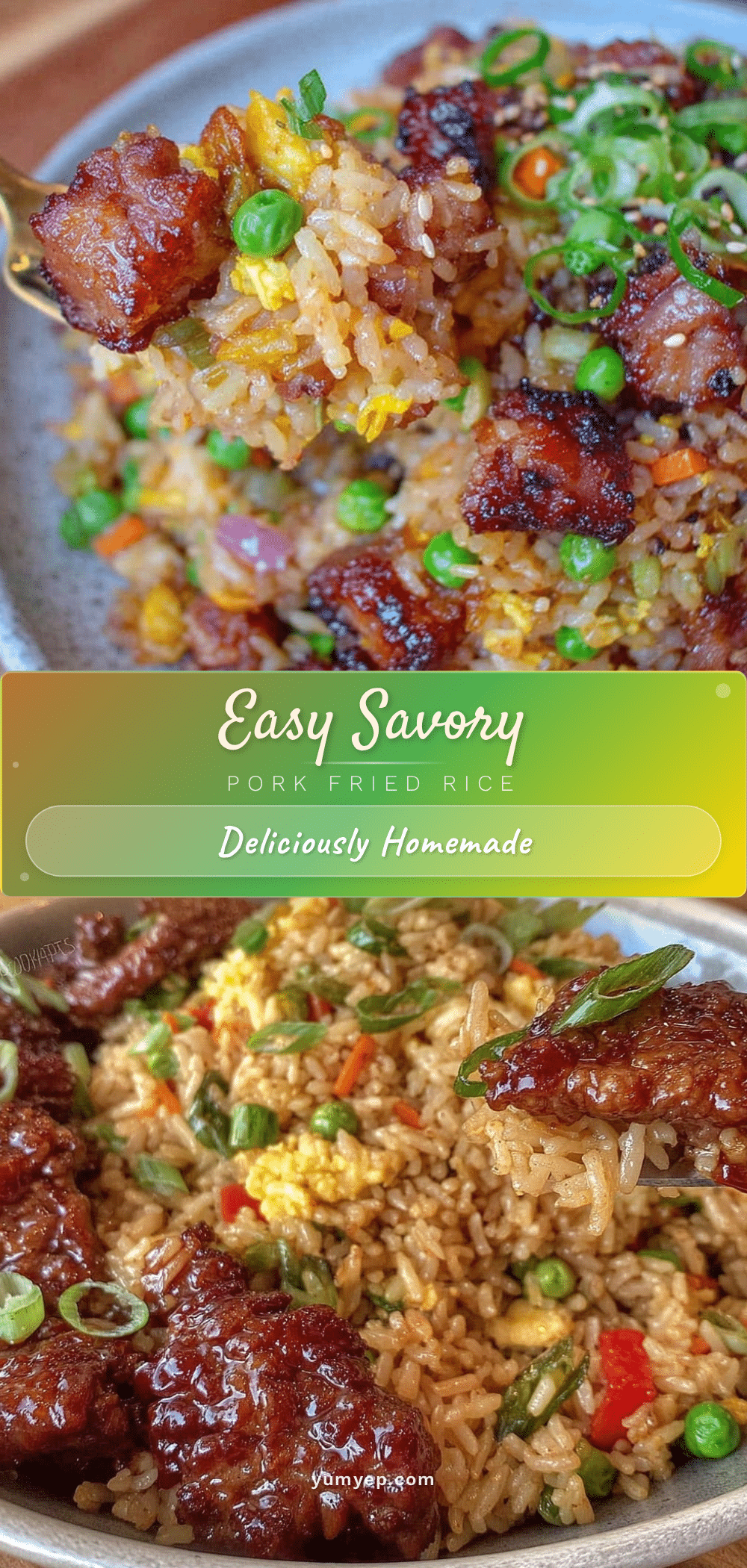
Easy Savory Pork Fried Rice Recipe with Vegetables Perfect for Quick Dinners

A quick and easy pork fried rice recipe using leftover pork and mixed vegetables, perfect for busy weeknights. This savory dish balances protein, veggies, and rice with a flavorful sauce and a hint of crispiness.
- Prep Time: 10 minutes
- Cook Time: 15 minutes
- Total Time: 25 minutes
- Yield: 4 servings 1x
- Category: Main Course
- Cuisine: Asian
Ingredients
- 3 cups cooked white rice (about 600g), preferably chilled leftover rice
- 8 ounces (225g) pork shoulder or pork loin, thinly sliced or diced
- 1 cup mixed vegetables (carrots, peas, corn), fresh or frozen
- 3 stalks green onions, thinly sliced
- 2 cloves garlic, minced
- 2 tablespoons soy sauce
- 1 tablespoon oyster sauce (optional)
- 1 teaspoon sesame oil
- 2 tablespoons vegetable oil
- 2 large eggs, lightly beaten
- Salt and pepper to taste
Instructions
- Dice the pork into small, bite-sized pieces (about ½-inch chunks). Slice green onions thinly, mince garlic, and have your mixed vegetables ready. Break up any clumps in the cold rice with your fingers or a fork so it’s loose.
- Heat 1 tablespoon of vegetable oil in your skillet or wok over medium-high heat. Add the pork pieces and stir-fry until browned and cooked through, about 4-5 minutes. Transfer pork to a plate and set aside.
- Add a bit more oil if needed, then pour in the beaten eggs. Let them sit for 10-15 seconds, then gently scramble until just cooked but still soft. Remove eggs from pan and set aside with pork.
- Add remaining oil to the pan and toss in the minced garlic and mixed vegetables. Stir-fry for about 2-3 minutes until veggies are tender but still vibrant.
- Increase heat to high. Add the cold rice to the pan and stir-fry, pressing down occasionally, for 4-5 minutes until warmed through and slightly crisp in spots.
- Return pork and scrambled eggs to the pan. Stir well to mix all ingredients evenly.
- Pour in the soy sauce and oyster sauce. Stir continuously for 1-2 minutes so the rice evenly absorbs the sauce. Drizzle sesame oil over the top and toss once more.
- Stir in the sliced green onions and give the dish one last toss. Taste and adjust salt or pepper if needed.
- Serve immediately while hot.
Notes
Use chilled leftover rice to prevent mushiness. Do not overcrowd the pan to avoid steaming the pork. High heat helps develop flavor and crispiness. For gluten-free, substitute tamari for soy sauce. For low-carb, use cauliflower rice. Let freshly cooked rice cool on a baking sheet for 15 minutes if no leftover rice is available.
Nutrition
- Serving Size: About 1 ½ cups (350g
- Calories: 425
- Sugar: 4
- Sodium: 900
- Fat: 10
- Saturated Fat: 2.5
- Carbohydrates: 45
- Fiber: 3.5
- Protein: 25
Keywords: pork fried rice, quick dinner, leftover pork recipe, easy fried rice, savory rice dish, stir-fry pork, weeknight meal